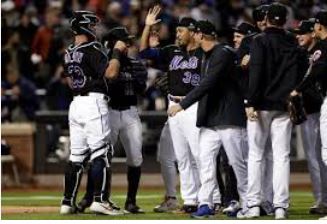
If the Mets’ offseason were a TV show, it’d be the kind that drops a shocking twist every episode. This winter followed that script: Pete Alonso and Edwin Díaz departed, Brandon Nimmo and Jeff McNeil were traded, and in came Devin Williams, Bo Bichette, and Jorge Polanco. Steve Cohen and David Stearns have once again kept the spotlight firmly on Queens.
There’s plenty to unpack, but let’s zero in on the headline change: Pete Alonso out, Bo Bichette in. The Mets allowed their franchise home run king to land with the Orioles while prying a prized free agent away from a division rival. So, looking strictly at this infield swap, is New York better off
At the plate
Alonso’s power résumé speaks for itself. Since debuting in 2019, he’s been one of baseball’s premier sluggers and a near-automatic bet for 35+ homers, 100+ RBI, and a slugging percentage north of .500. Bichette doesn’t bring that kind of thunder. His career-best power numbers 29 home runs and 102 RBI came back in 2021. Alonso also draws more walks, though his aggressive approach leads to plenty of strikeouts, with multiple 150-K seasons.
Bichette’s edge comes in contact and consistency. He’s twice led the American League in hits and has topped 180 knocks four different times. Alonso, by contrast, has never reached 170 hits in a season. Those extra base knocks have helped Bichette post a .294 career average, well ahead of Alonso’s .253. Both can rack up doubles Alonso paced the NL with 41 in 2025, while Bichette has four seasons with 30 or more but neither is much of a base-stealing threat. Alonso generally scores more runs, though durability plays into that.
In the field
Bichette handled shortstop in Toronto, a premium position, though his defensive metrics there have been merely average. Now he’s shifting to third base, and it remains to be seen whether the move boosts his defensive value. Alonso’s defensive WAR marks have been rough, but he has been especially skilled at digging throws out of the dirt at first base.
The Mets’ plan involves Bichette learning a new corner while someone like Mark Vientos or Brett Baty adjusts to first. Alonso wasn’t a defensive standout, but two players adapting to unfamiliar roles could make the infield defense a question mark.
Intangibles and durability
Both players have delivered in big spots and shown they’re comfortable under postseason pressure. Alonso, however, was a central clubhouse presence and fan favorite, leaving a leadership gap in Queens. Whether Bichette can assume a similar role is uncertain.
Health may be the biggest swing factor. Alonso has been remarkably reliable, rarely missing time and playing full schedules in recent years. Bichette has battled injuries and missed notable stretches over the past few seasons. While his career WAR average is higher, availability has been less consistent.
The bottom line
Alonso and Bichette are both high-level big leaguers, but they impact the game in different ways. Alonso offers elite power; Bichette supplies batting average and volume of hits. Defense and durability could ultimately matter more than any single offensive stat in judging this move.
The Mets might still improve overall in 2026. But swapping out Pete Alonso’s production and presence for Bo Bichette is a more complicated gamble than it might first appear.
Leave a Reply