Florida State’s acquisition of quarterback Ashton Daniels has sparked fresh discussion around the transfer portal market, with new details helping clarify why Auburn ultimately chose not to keep him in its plans following a coaching change.
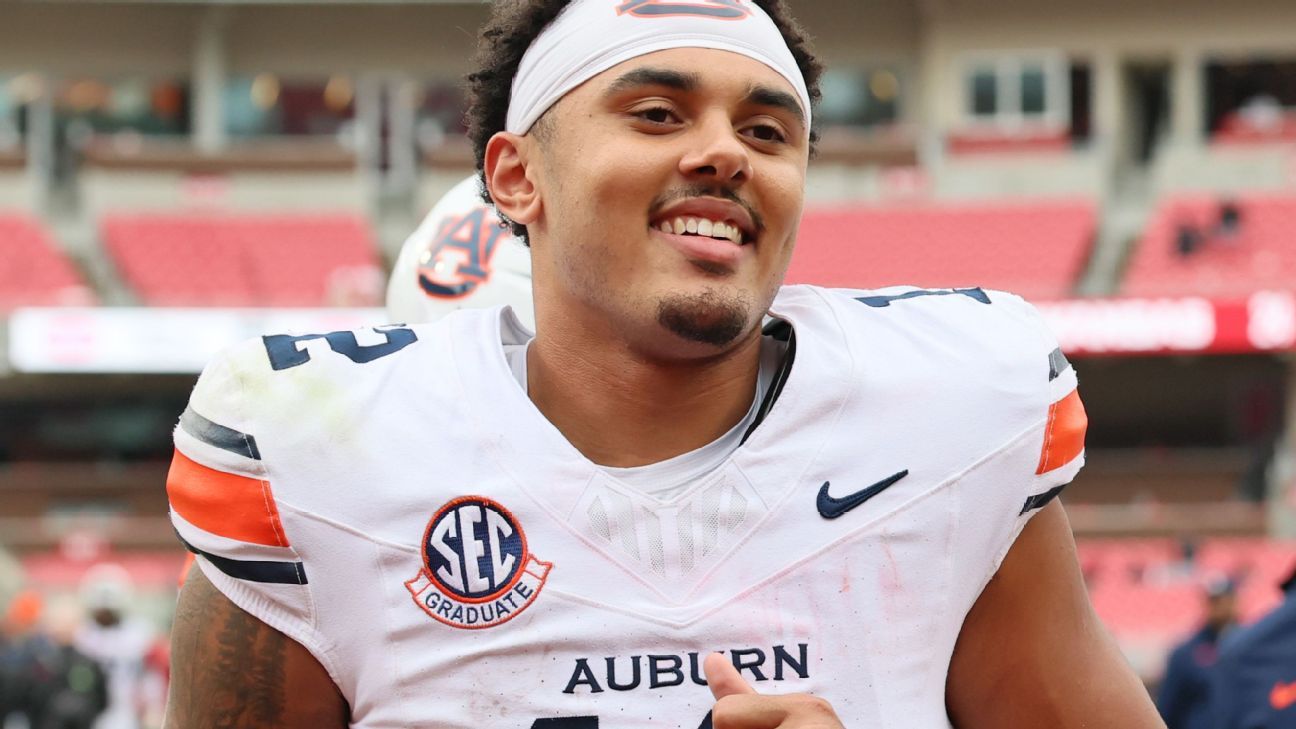
Once Alex Golesh was appointed as Auburn’s new head coach, Daniels’ future with the Tigers quickly became uncertain. While some observers believed the veteran quarterback could have provided valuable depth behind USF transfer Byrum Brown, the financial reality of the situation made that scenario unlikely from the start. In today’s evolving NIL-driven landscape, even experienced backups come with significant price considerations—and Daniels was no exception.
According to Noles247 insider Brendan Sonnone, Daniels arrived at Florida State on what initially appeared to be a relatively reasonable deal for a potential starter, but even that “discounted” valuation reflected how inflated quarterback pricing has become across the Power Four.
Sonnone reported that Daniels’ early valuation was around the $800,000 range, which already sits below typical starter-level compensation. However, later updates suggested his actual price may have climbed well beyond $1 million, potentially reaching as high as $1.5 million depending on incentives and final negotiations. While still under the upper tier of elite quarterback transfer deals where established starters can command $1.5–$2 million or more—it still represents a major investment for any program evaluating roster balance and depth.
That escalating market value helps explain Auburn’s decision to move forward without him. With Golesh implementing a new offensive system and reshaping the quarterback room, retaining Daniels as a QB2 simply didn’t align with roster construction strategy or financial priorities.
Auburn now turns its attention to a reshaped quarterback depth chart led by Byrum Brown, with additional young talent such as Tristan Ti’a, who impressed during A-Day, and Locklan Hewlett, another South Florida addition, competing for future roles. In that context, the Tigers prioritized development and fit over paying premium value for a backup option.
For Daniels, the move to Florida State presents a fresh opportunity with far less pressure. After transferring from Stanford, where he previously started, he now enters a Seminoles program searching for stability under Mike Norvell. Florida State’s recent inconsistency including a 5–7 finish in 2025 following a turbulent 2–10 campaign in 2024 has placed added scrutiny on the coaching staff, but also opens the door for a quarterback to reshape the narrative.
Daniels is expected to have a real chance to compete for meaningful playing time, and if he elevates the offense, he could position himself as a breakout contributor in the ACC. Beyond college success, a strong season could also revive his NFL trajectory, where late-round selection or free-agent interest remains a realistic outcome.
While his time at Stanford and Auburn did not fully produce sustained success, Florida State offers a new environment with strong resources and conference-level ambition. Whether the investment pays off will depend on performance under center—but in today’s transfer market, even “mid-tier” quarterback deals come at a premium, and Florida State is now fully committed to seeing the return on its investment.
Leave a Reply