
The Minnesota Twins head into the second half of the 2026 MLB season in a far stronger position than many expected before Opening Day. After overcoming an inconsistent first half, Minnesota returns from the All-Star break tied for the final American League Wild Card spot and firmly in the middle of a crowded postseason race.
Their playoff aspirations, however, will face an immediate test. The Twins open the second half with a challenging three-game series against the National League-leading Chicago Cubs before embarking on a demanding stretch that could determine whether they become buyers or sellers ahead of the Aug. 3 MLB trade deadline.
With little margin for error in one of baseball’s most competitive playoff races, three key storylines are expected to define Minnesota’s fate over the remainder of the season.
Trade Deadline Decisions Could Define the Twins’ Direction
Perhaps the biggest question surrounding the organization is how the front office approaches the upcoming trade deadline.
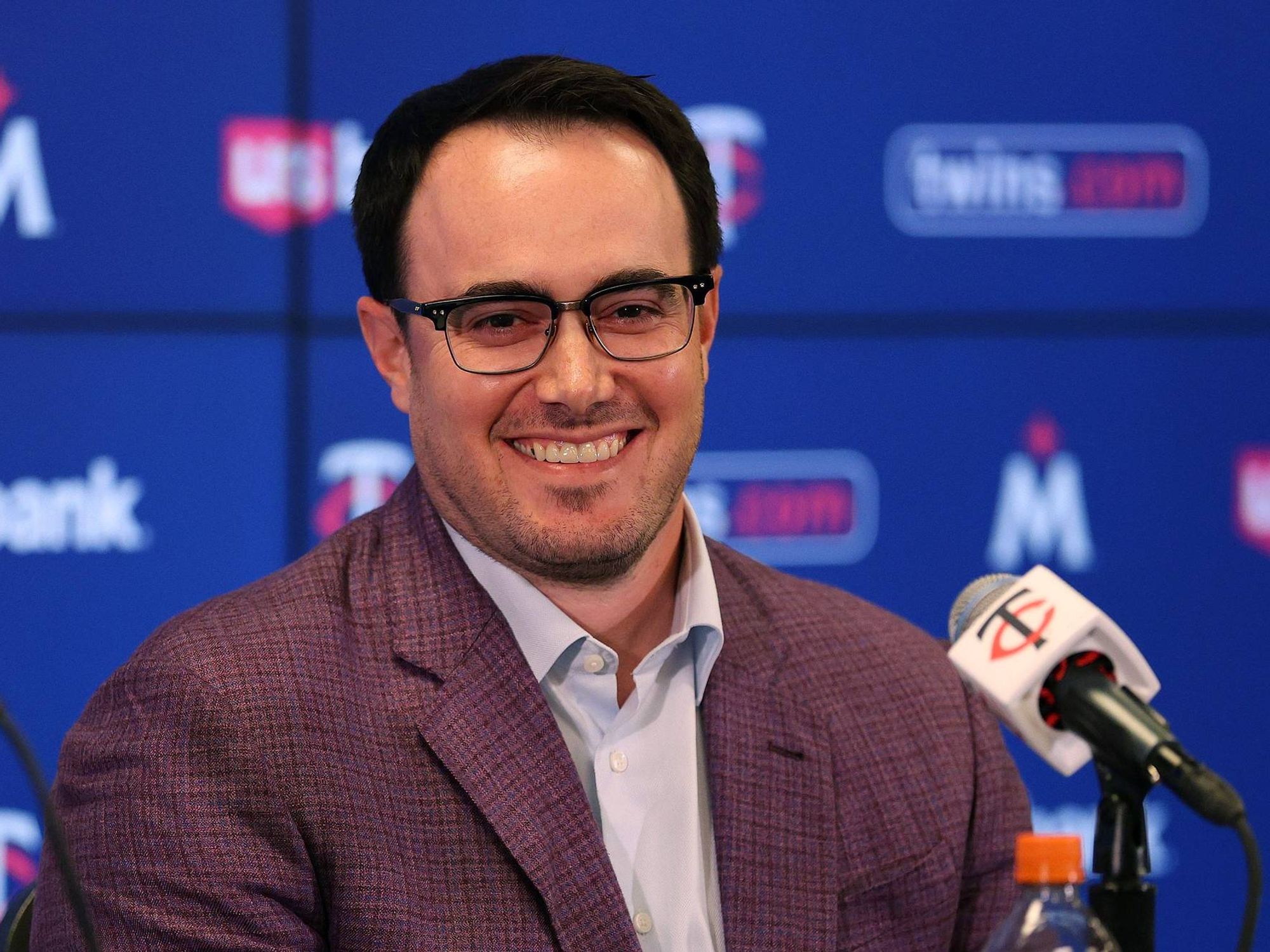
Despite sitting at 48-49, the Twins remain tied for a postseason berth, giving president of baseball operations Jeremy Zoll an important decision to make. If Minnesota continues to win over the next two weeks, the club could aggressively pursue reinforcements to strengthen its playoff push. However, a poor stretch could convince management to move valuable veterans in exchange for future assets.
Manager Derek Shelton has helped stabilize the clubhouse during his first season in charge, but the roster still has clear needs. Minnesota could benefit from adding another reliable starting pitcher and at least one experienced late-inning reliever to solidify its pitching staff.
The schedule leading up to the deadline offers little relief. After facing the Cubs, the Twins will travel to Cleveland for a crucial four-game series against the Guardians before returning home to host the Athletics. They will then welcome the Kansas City Royals before finishing the pre-deadline schedule with a pivotal series against the Seattle Mariners—one of the teams they are currently battling for the final Wild Card position.
Overall, Minnesota will play 13 consecutive games against teams currently involved in the playoff race, making the next two weeks one of the most important stretches of the season. The results could determine whether Zoll becomes an aggressive buyer or explores trade offers for high-value players such as catcher Ryan Jeffers and All-Star pitcher Joe Ryan.
A Revamped Defensive Alignment Could Spark a Strong Finish
One of the more encouraging developments under Shelton has been his willingness to reshape Minnesota’s defensive alignment.
Early-season struggles forced the coaching staff to rethink several positions, leading to significant adjustments that have improved both flexibility and overall team defense.
Royce Lewis has transitioned from third base to first base, allowing Brooks Lee to take over at third while Ryan Kreidler has established himself at shortstop. Kody Clemens has settled into an everyday role at second base following Luke Keaschall’s move to the outfield.
The changes have created a more balanced defensive unit while maintaining one of the American League’s most productive offenses.
Trevor Larnach has continued to improve defensively in the outfield, and Byron Buxton remains one of baseball’s elite defensive center fielders despite managing a lingering hip issue.
Minnesota’s lineup has produced runs consistently throughout the first half, ranking among the league’s highest-scoring offenses. If the improved defense can convert more balls into outs and limit costly mistakes, the Twins could gain the extra victories needed to remain in the postseason race.
Top Prospects Could Provide a Late-Season Boost
Another storyline worth watching is whether two of the organization’s top prospects—Kaelen Culpepper and Walker Jenkins—receive long-awaited promotions to the major leagues.
Both players entered the season as potential candidates to debut in 2026, but injuries delayed their progress despite strong performances at Triple-A St. Paul.
Culpepper has enjoyed an impressive offensive campaign, batting .272 with a .376 on-base percentage and a .492 slugging percentage while collecting 14 home runs, 43 RBIs, and 15 stolen bases in 63 games. Although a glute injury interrupted his momentum with multiple injured-list stints, he remains one of the organization’s most promising infield prospects.
Jenkins has also continued to impress despite missing time after crashing into an outfield wall earlier this season. The talented outfielder owns a .277 batting average with a .386 on-base percentage and has caught fire recently, batting .373 with 10 extra-base hits over his last 17 games.
Their promotions, however, are complicated by the looming MLB labor situation. Neither prospect currently occupies a spot on Minnesota’s 40-man roster, and adding them could create roster management challenges if a league lockout impacts next season’s player eligibility rules.
Still, should injuries arise or the Twins need an offensive spark during the playoff race, both Culpepper and Jenkins remain strong candidates to make their major league debuts before the season concludes.
A Defining Stretch Awaits Minnesota
The Twins have exceeded many preseason expectations by remaining in postseason contention entering the second half, but their toughest tests are still ahead.
Critical trade deadline decisions, continued defensive improvement, and the possibility of impactful prospect promotions will all play significant roles in determining whether Minnesota can secure an American League Wild Card berth or fall short during the season’s final months.
With every game carrying increased postseason implications, the coming weeks may ultimately decide whether the Twins return to October baseball or begin preparing for another offseason of change.
Leave a Reply