The New York Mets appeared to be on the verge of completing a significant trade with the Arizona Diamondbacks before the 2026 MLB trade deadline, but unexpected medical concerns ultimately caused the deal to collapse. Rather than moving veteran right-hander Clay Holmes to Arizona, the Mets pivoted and struck a different agreement with the Chicago Cubs one that may have produced an even more valuable return for the organization.
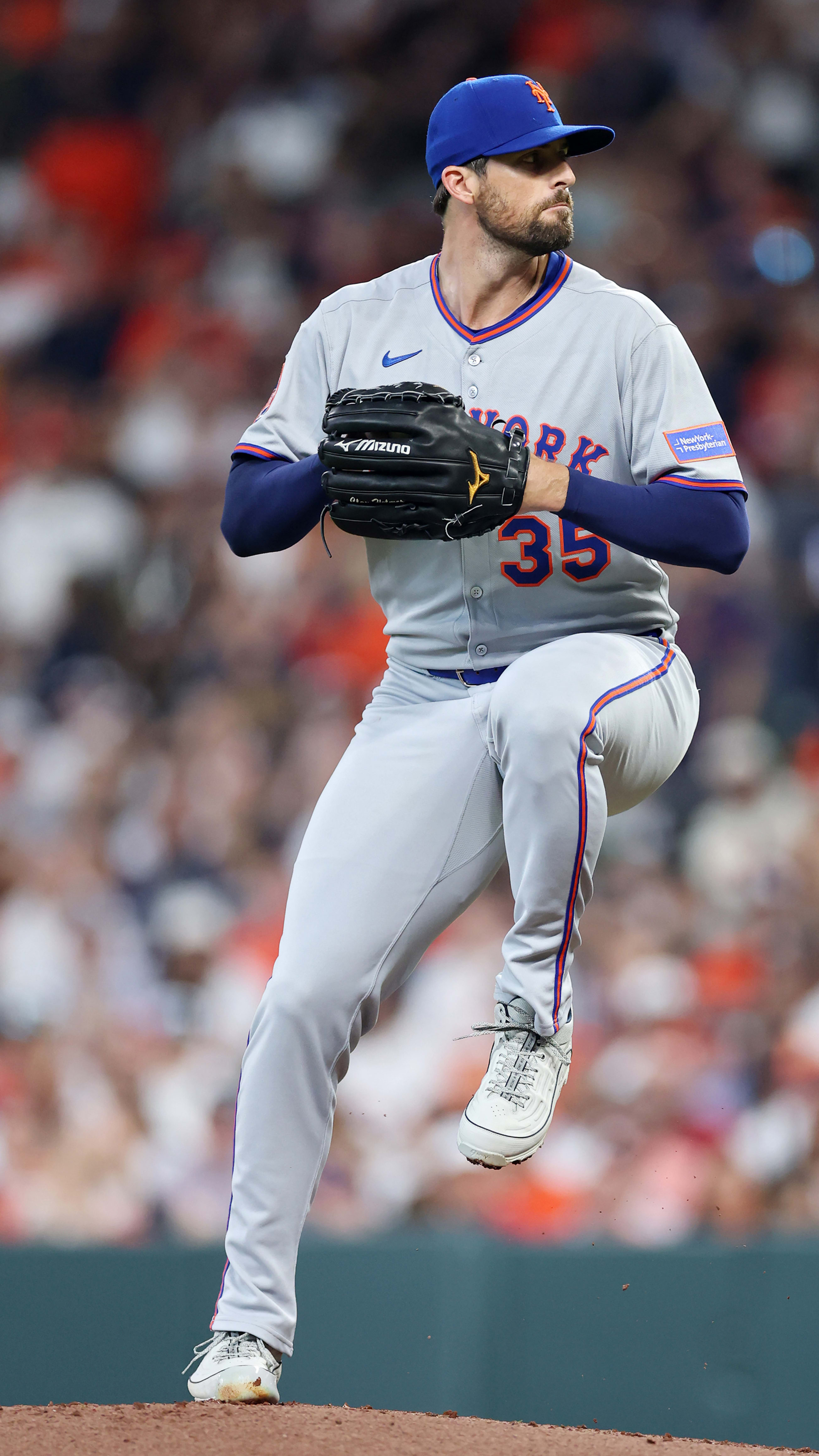
As the trade deadline approached, the Mets were among baseball’s busiest clubs, reshaping their roster by moving several experienced veterans in exchange for highly regarded prospects. One of the franchise’s most notable deals sent Clay Holmes and versatile outfielder Tyrone Taylor to the Cubs in return for elite infield prospect Jefferson Rojas, a move widely viewed as one of New York’s strongest trades of the deadline.
However, that transaction almost never happened.
According to reports from Nick Piecoro of The Arizona Republic, the Mets had previously reached an agreement in principle with the Diamondbacks involving Holmes. The framework of the trade was reportedly close to being finalized before the routine review of medical records altered everything.
During the evaluation process, New York’s front office became concerned about the medical history of one of Arizona’s prospects who was expected to be included in the package. Those concerns were significant enough for the Mets to halt the deal before it became official.
The failed agreement highlights just how important medical evaluations have become during modern MLB trade negotiations. Even when clubs agree on player value and compensation, questions surrounding a prospect’s long-term health can completely derail a transaction at the final stage.
Following the collapse of the initial deal, both organizations reportedly attempted to restructure the trade in hopes of finding a solution that would satisfy both sides. Despite those efforts, the clubs were unable to reach revised terms before the deadline expired.
With negotiations with Arizona falling apart, the Mets quickly redirected their attention elsewhere. Rather than allowing Holmes to remain on the roster, New York packaged the veteran starter together with Tyrone Taylor in a trade with the Chicago Cubs. In return, the Mets landed Jefferson Rojas, one of Chicago’s premier infield prospects and one of the highest-upside young players acquired by New York during the deadline period.
The outcome ultimately worked in the Mets’ favor. By walking away from the Diamondbacks deal because of medical concerns, the organization avoided taking on unnecessary risk while securing a prospect many evaluators believe has tremendous long-term potential. Rojas immediately became one of the centerpiece additions in the Mets’ rebuilding effort and represented a stronger return than many expected for Holmes.
For the Diamondbacks, however, the failed negotiations proved costly. Arizona entered the deadline aggressively searching for another quality starting pitcher to strengthen a rotation that had been hit hard by injuries throughout the season. Holmes was viewed as an experienced arm capable of providing stability for the playoff race.
When the trade collapsed, Arizona lost the opportunity to acquire him and was ultimately unable to find another comparable pitching upgrade before the deadline passed. The Diamondbacks did complete other roster moves, but their inability to land Holmes left one of their most pressing needs unresolved.
Meanwhile, the Mets emerged from the deadline satisfied with how events unfolded. What initially appeared to be a disappointing setback ultimately turned into a fortunate twist, allowing the front office to secure one of its most valuable prospect returns of the summer while avoiding concerns surrounding the health of a player they would have acquired from Arizona.
In hindsight, New York’s willingness to back away from a nearly completed trade demonstrated the organization’s disciplined approach to roster building. Rather than forcing a deal across the finish line, the Mets trusted their medical evaluations, remained patient, and ultimately found a trade partner that delivered an even stronger long-term return.
Leave a Reply