
The St. Louis Cardinals entered the 2026 MLB trade deadline with a clear opportunity to reshape their future, and for the most part, they appeared committed to doing exactly that. The front office, led by president of baseball operations Chaim Bloom, moved several veterans while acquiring young talent in an effort to strengthen the organization’s long-term outlook. However, one transaction stood out as inconsistent with the rest of the club’s strategy and has sparked debate about whether the Cardinals truly committed to their rebuilding process.
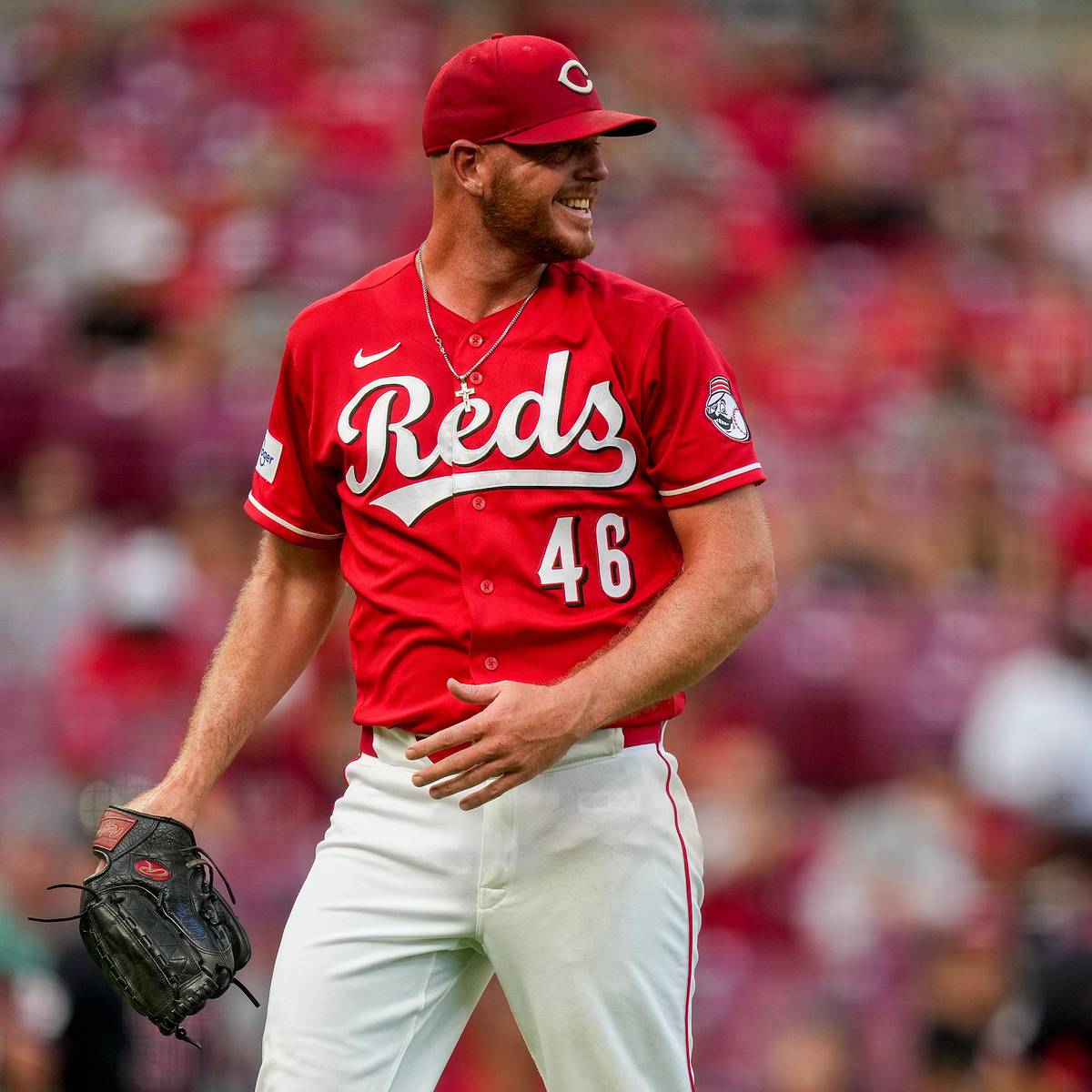
While most of St. Louis’ deadline activity reflected a focus on the future, the decision to acquire veteran left-handed reliever Caleb Ferguson from the Cincinnati Reds raised questions. The move itself was relatively inexpensive, but it seemed to contradict the broader direction the organization had established throughout the deadline.
A Deadline Focused on Tomorrow With One Notable Exception
The Cardinals spent deadline day balancing present competitiveness with future planning. They traded away veteran pitchers Dustin May and JoJo Romero, both of whom are scheduled to become free agents after the season, while also moving outfielder Lars Nootbaar in exchange for promising young pitching prospects. Each of those deals reflected a willingness to sacrifice immediate production in favor of building a stronger foundation for the coming years.
Yet shortly afterward, St. Louis turned around and acquired Ferguson, a veteran reliever who is also set to become a free agent following the 2026 season. The Cardinals sent $250,000 in international bonus pool money to Cincinnati to complete the trade.
Although the cost was relatively modest compared to dealing away a top prospect, many observers viewed the transaction as conflicting with the organization’s apparent rebuilding philosophy. Rather than adding a controllable player capable of contributing beyond this season, the Cardinals invested future resources in a short-term bullpen option whose impact could be limited.
The Cardinals Correctly Assessed Their Position in the Standings
Despite producing an impressive 13-7 victory over the New York Yankees highlighted by Alec Burleson’s remarkable performance of three two-run home runs the Cardinals remain in a difficult position in the National League playoff race.
St. Louis sits in fourth place in the NL Central, trailing the division-leading Milwaukee Brewers by 13.5 games. The club also remains four games behind the final National League Wild Card spot, with several teams standing between them and postseason qualification.
While the Cardinals are technically still within striking distance of a playoff berth, their chances remain slim. That reality made the organization’s decision to sell veteran players understandable, as focusing on long-term success appeared to offer greater value than pursuing a difficult postseason chase.
Why the Ferguson Trade Raised Eyebrows
Ferguson is an experienced major league reliever capable of providing quality innings from the bullpen. The 30-year-old entered St. Louis after posting a 4.01 ERA over 26 appearances with Cincinnati this season, including one start.
His experience and left-handed arm certainly provide additional depth for manager Oliver Marmol’s bullpen, particularly after the departures of May and Romero created openings on the pitching staff.
However, Ferguson’s contract expires after the season, meaning the Cardinals could receive only a few months of production before potentially losing him in free agency.
The more significant concern centers on what St. Louis gave up to acquire him. International bonus pool money has become an increasingly valuable resource across Major League Baseball. Teams use those funds to sign highly regarded international prospects, increase flexibility during signing periods, or facilitate future trades involving young talent.
For a franchise attempting to rebuild its player development pipeline and strengthen its farm system, surrendering even a modest portion of those resources for a short-term rental appears difficult to justify.
Most Deadline Moves Reflected Bloom’s Long-Term Vision
Unlike the Ferguson acquisition, the Cardinals’ other deadline decisions clearly aligned with Bloom’s long-term rebuilding philosophy.
The organization traded Dustin May and JoJo Romero to the Milwaukee Brewers in exchange for promising outfield prospects Alexander Frias and Josiah Ragsdale. Those players offer years of team control and developmental upside compared to the veterans St. Louis surrendered.
The Cardinals also dealt Lars Nootbaar to the Arizona Diamondbacks, receiving pitching prospects Daniel Eagen and Sandro Santana, along with a player to be named later.
Those transactions exchanged current production for future potential exactly the type of roster management expected from a club transitioning toward its next competitive window.
The Ferguson trade, however, represented the opposite approach by bringing in an aging player whose tenure in St. Louis could last only two months.
Arguments Supporting the Move
Supporters of the trade believe the Cardinals were justified in remaining somewhat competitive despite their long playoff odds.
With the team sitting only four games out of a Wild Card position, management likely wanted to avoid sending a message that the season was completely over. Ferguson gives Marmol another experienced late-inning option without requiring the organization to part with a top-ranked prospect.
Because the Cardinals had already traded away important pitchers, adding bullpen depth prevented the major league roster from becoming significantly weaker while still allowing younger players opportunities elsewhere.
Additionally, international bonus pool money carries no guarantee of producing future major league talent, whereas Ferguson is already an established big league pitcher capable of helping immediately.
Why the Move Still Appears Inconsistent
Even with those justifications, the transaction remains difficult to reconcile with the organization’s broader strategy.
Relief pitching is notoriously unpredictable, and Ferguson has not performed at the elite level expected of a true shutdown late-inning reliever. His addition alone is unlikely to dramatically improve the Cardinals’ postseason odds, particularly after the club weakened both its rotation and bullpen by trading May and Romero.
Had St. Louis intended to buy at the deadline, acquiring a player with multiple years of team control or greater impact would have better supported both the current roster and future seasons.
Conversely, if the organization truly believed it was time to sell, preserving every possible future asset—including international signing money would have better matched that philosophy.
Instead, the Cardinals landed somewhere in between, making a move that neither significantly boosts their playoff chances nor meaningfully strengthens the franchise’s long-term future.
The Lars Nootbaar Trade Carries Better Long-Term Logic
Some fans also questioned the decision to trade Lars Nootbaar while his offensive numbers were down following his return from double heel surgery.
Nootbaar batted .234 with a .688 OPS over 48 games after returning in June. Despite the struggles, he remained under team control through the 2027 season.
Still, the Cardinals received a strong package in return.
Daniel Eagen entered the trade as Arizona’s fifth-ranked prospect according to MLB Pipeline and had recorded 109 strikeouts across 87⅓ innings at Double-A despite a 4.95 ERA. Sandro Santana and the eventual player to be named later further strengthened the return.
Whether that trade ultimately benefits St. Louis or Arizona remains to be seen, but the underlying roster-building philosophy is much easier to understand because the Cardinals acquired players who could contribute for years.
Looking Ahead
The acquisition of Caleb Ferguson is unlikely to define Chaim Bloom’s tenure or dramatically alter the Cardinals’ future. The financial cost was limited, and Ferguson could prove valuable during the final months of the season.
Nevertheless, the move stands out because it conflicts with the disciplined rebuilding approach reflected in nearly every other deadline transaction.
As St. Louis continues transitioning from the veteran core that once featured players such as Nolan Arenado and Sonny Gray, every decision carries added importance. The organization must remain committed to accumulating long-term talent and resisting short-term moves that provide limited future value.
Ferguson may help the Cardinals win several games before the season ends. However, unless those victories somehow fuel an unlikely playoff run, the trade may ultimately be remembered as the one deadline decision that failed to match the franchise’s broader vision for building its next championship contender.
Leave a Reply