ST. LOUIS — The St. Louis Cardinals recognized before Monday’s series opener that the Philadelphia Phillies were entering the game with a severely limited bullpen. With several of Philadelphia’s top relievers unavailable because of recent workloads, St. Louis saw an opportunity to pressure the Phillies’ pitching staff late.
The Cardinals eventually did exactly that, mounting a dramatic eighth-inning rally that turned what had been a four-run deficit into a one-run game. However, their comeback ultimately stalled, as Philadelphia held on for a 6-5 victory at Busch Stadium.
For much of the afternoon, it appeared the Cardinals would not even get the opportunity to take advantage of Philadelphia’s bullpen situation. Rookie right-hander Andrew Painter dominated St. Louis through the first several innings, carrying a no-hit bid deep into the game and keeping the Cardinals’ offense completely quiet.
Iván Herrera finally ended the threat in the sixth inning when he drilled a double into the left-field corner. The hit not only gave the Cardinals their first offensive breakthrough but also prevented Painter from completing a potentially historic performance.
St. Louis remained within striking distance, and its opportunity to attack Philadelphia’s depleted relief corps finally arrived in the later innings. The Cardinals took advantage of the Phillies’ limited options behind Alan Rangel, scoring three runs in the eighth inning and cutting a four-run deficit to just one.
Despite the momentum, St. Louis could not produce the final hit it needed. Masyn Winn reached third base during the rally, but Jimmy Crooks struck out before pinch-hitter Bryan Torres could deliver the potential go-ahead hit. The Cardinals were left one swing away from completing a comeback that had seemed unlikely only an inning earlier.
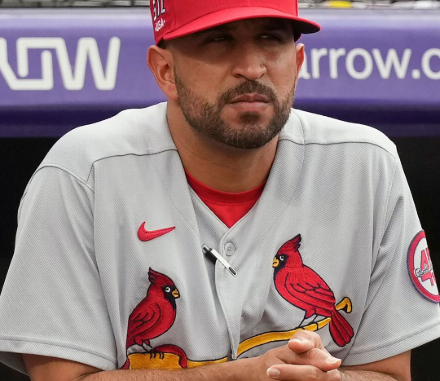
Manager Oli Marmol acknowledged that Philadelphia was vulnerable because of its bullpen workload but credited the Phillies for making enough plays to survive.
The Cardinals’ inability to capitalize on several earlier opportunities proved costly. Hunter Dobbins, making the start for St. Louis, battled through five innings but made a critical mistake in the second. After fielding a chopper back toward the mound, Dobbins rushed his throw and sailed it past first baseman Alec Burleson. The error helped Philadelphia put together a two-run inning and gave the visitors an advantage they would maintain for much of the contest.
Dobbins accepted responsibility for the mistake, admitting that he rushed the play and tried to get rid of the ball too quickly. Against a team as dangerous as Philadelphia, a defensive miscue like that can quickly turn into multiple runs.
The Cardinals also struggled to contain Philadelphia’s offense later in the game. Rookie right-hander Luis Gastelum provided an encouraging four-out appearance, but Caleb Ferguson and Gordon Graceffo combined to issue four walks and allow three runs across the seventh and eighth innings. Those free passes and timely hits gave the Phillies enough cushion to withstand St. Louis’ late surge.
The loss was particularly frustrating for a Cardinals roster that has increasingly shown an ability to fight back late in games. St. Louis has repeatedly demonstrated resilience this season, refusing to concede contests even after falling behind. Monday followed the same pattern, but this time the Cardinals were unable to finish the comeback.
Marmol emphasized afterward that the Cardinals’ rebuilding status should not become an excuse for failing to close out games. Although Philadelphia entered the matchup as a veteran club built to compete immediately, Marmol insisted that the Cardinals approached the contest with the expectation of winning.
The eighth-inning rally provided another example of that competitive mindset. José Fermín delivered a clutch RBI single to center field, giving St. Louis another opportunity to tie the game. Winn had raced from second on contact, but third-base coach Ron “Pop” Warner ultimately held him at third rather than sending him home.
Winn appeared ready to test the play at the plate, but the decision was made to stop him. Marmol declined to criticize the call, explaining that the decision depended on whether Winn was likely to be safe or out. He acknowledged that reviewing the overhead angle could provide more information but expressed confidence in the decisions made on the field.
The manager did, however, accept responsibility for another late-game decision. After Jimmy Crooks struck out, Marmol admitted he would have handled the situation differently, particularly regarding when to use Bryan Torres as a pinch-hitter.
Torres was held back until there were two outs, and Marmol later acknowledged that he would have preferred to deploy him earlier in the inning in an attempt to create more contact. The manager noted that both Torres and César Prieto were capable of putting the ball in play, making the timing of the substitution a decision he personally took responsibility for.
Ultimately, the Cardinals’ late rally demonstrated both the promise and growing pains of their young roster. They showed the ability to exploit an opponent’s weakness, manufacture pressure late and nearly erase a substantial deficit. But the defensive error, missed opportunities and inability to deliver one final clutch hit left them on the wrong side of a one-run game.
For St. Louis, the 6-5 defeat was a reminder that competing against established postseason-caliber teams requires more than a late surge. The Cardinals came within one hit of taking the lead, but Philadelphia’s early advantage and timely execution proved just enough to preserve the victory.
Leave a Reply