
The Chicago Cubs may have found another promising piece for their pitching pipeline after selecting right-hander Cade Townsend with the 23rd overall pick in the 2026 MLB Draft.
Townsend has wasted little time making an impression since joining the organization. The former Ole Miss standout entered professional baseball with considerable expectations, and his early work has already provided the Cubs with reasons to be excited about the investment they made in him.
Chicago selected Townsend in the first round because of a combination of power, pitch quality, strikeout ability and the potential for further development. Although he is still at the beginning of his professional career, the young right-hander has already demonstrated several of the traits that made him one of the most intriguing college pitchers available in the draft.
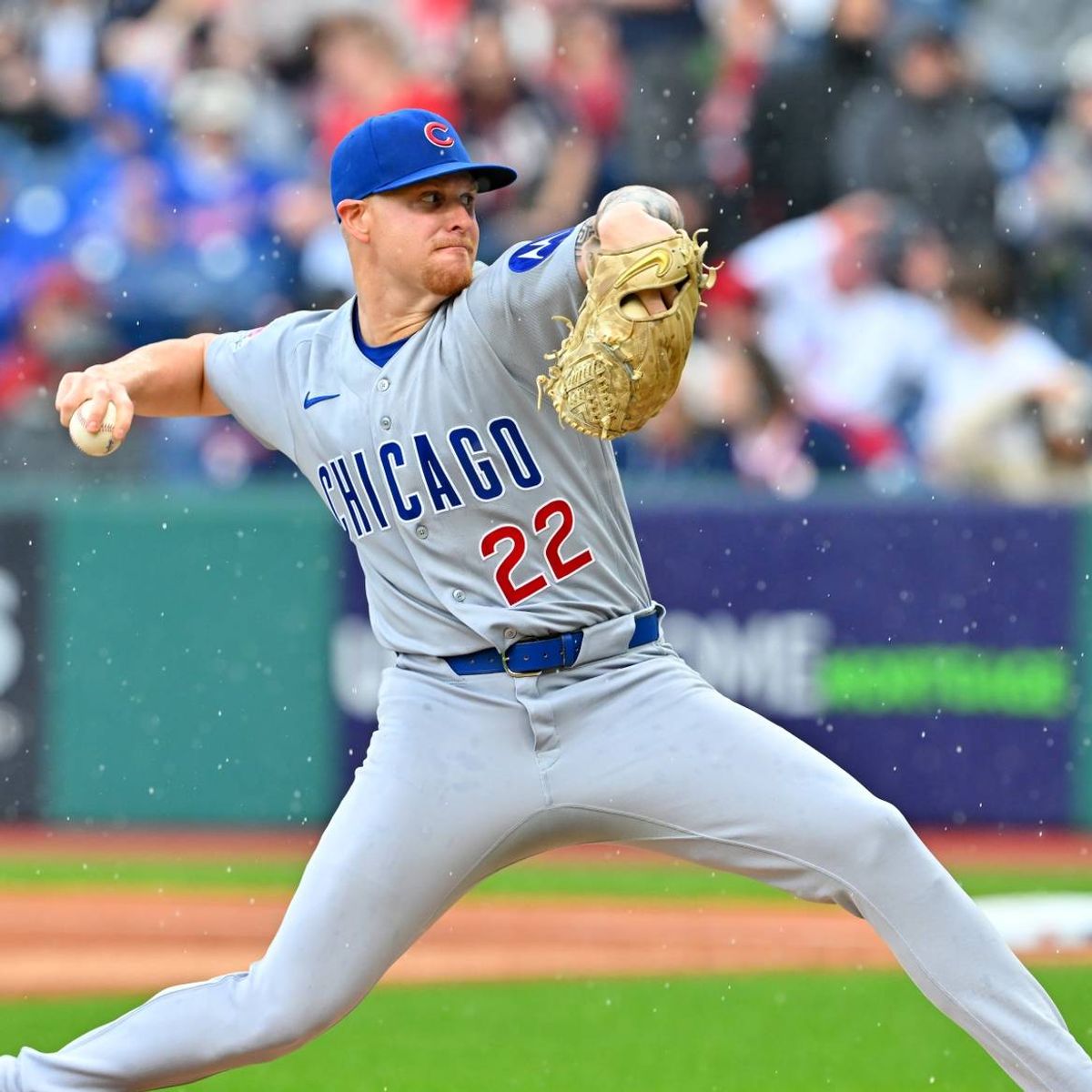
Townsend, 21, developed into one of the top pitchers in the Southeastern Conference during his sophomore season at Ole Miss. He was named a Golden Spikes Award semifinalist and earned second-team All-SEC recognition after establishing himself as one of the Rebels’ most reliable starters.
During the 2026 regular season, Townsend led Ole Miss starters in several important categories, including ERA, opposing batting average and home runs allowed. He posted a 3.81 ERA, held opposing hitters to a .218 average and produced a 12.38 strikeouts-per-nine-innings rate, which ranked among the SEC’s best.
His ability to generate strikeouts was one of the biggest reasons the Cubs viewed him as a first-round talent. Townsend also demonstrated impressive control, finishing with a 4.00 strikeout-to-walk ratio. For a young pitcher transitioning from college baseball to the professional game, that combination of swing-and-miss stuff and command gives him a particularly intriguing foundation.
Townsend’s best stretches at Ole Miss showed why his draft stock rose so quickly. He recorded three consecutive quality starts from April 4 through April 18, becoming the first Ole Miss pitcher since 2022 to accomplish that feat.
One of the most impressive performances came against Tennessee. Townsend carried a no-hit bid into the sixth inning, allowed only four baserunners and struck out seven hitters. His performance earned him SEC Pitcher of the Week honors and further strengthened his reputation as a high-level college arm.
His path to the first round was not completely straightforward, however. Townsend dealt with an injury during the season, and the setback interrupted a stretch in which he had been generating significant draft buzz. Before the injury, his fastball and breaking pitches had helped establish him as a potential top selection.
Even after returning, Townsend remained attractive to scouts because of his underlying talent. His fastball can reach the upper 90s, while his slider and curveball give him multiple ways to attack hitters. His ability to change speeds and keep hitters off balance adds another dimension to his arsenal.
The Cubs clearly believed there was more upside to unlock.
Chicago’s 2026 draft strategy placed a major emphasis on pitching. The organization selected a large number of pitchers throughout the draft as it looked to strengthen a farm system that needed additional depth on the mound. Townsend therefore became one of the most important pieces of that overall pitching rebuild.
What makes Townsend particularly interesting is that the Cubs are not simply betting on what he accomplished at Ole Miss. They are also betting on what he can become with professional coaching and development.
After signing with Chicago, Townsend began working with the organization’s pitching staff on refining his delivery and improving his arm slot. One of the adjustments involved lowering his arm angle, an area Townsend himself identified as something he wanted to improve after his final college season.
The Cubs’ development staff had already identified the same adjustment, creating an encouraging sign that the organization and player were on the same page about his development.
That type of cooperation could be important as Townsend moves through the minor leagues. Instead of simply trying to reproduce his college numbers, the Cubs can work with him on improving his mechanics, command and pitch efficiency while preserving the stuff that made him a first-round selection.
Townsend also has a personal connection to Chicago that makes his arrival even more meaningful. He grew up attending Cubs games at Wrigley Field and has memories of watching the club’s 2016 championship team in person. During a recent visit to Wrigley, he had the surreal experience of walking around the ballpark not as a fan in the stands, but as a member of the organization that drafted him.
He toured the clubhouse, walked around the field and even played catch at the historic stadium. The visit offered Townsend an early glimpse of the environment he hopes to eventually experience as a major-league pitcher.
For now, however, the Cubs are expected to take a patient approach with their first-round investment. Townsend is still learning the demands of professional baseball, and the organization has plenty of time to develop him into the pitcher it believes he can become.
The early signs are encouraging.
Townsend’s combination of a lively fastball, quality breaking pitches, strikeout ability and relatively strong command gives him the foundation of a potential major-league starter. MLB’s scouting grades also reflect the quality of his arsenal, with his curveball and slider standing out as particularly promising pitches.
There is still work to do. Townsend will need to adjust to professional hitters, who are generally more disciplined and better equipped to punish mistakes than college batters. He will also have to demonstrate that he can consistently maintain his mechanics and command over a full professional season.
The Cubs will likely monitor his workload carefully as he transitions from college baseball to the minor leagues. Building durability will be just as important as improving his individual pitches.
Nevertheless, the organization has plenty of reasons to be optimistic.
Townsend was not selected 23rd overall simply because of his college statistics. The Cubs saw a pitcher with legitimate swing-and-miss ability, a strong competitive mentality and the physical tools necessary to develop into a quality professional starter.
His early progress is beginning to justify that belief.
The Cubs have invested heavily in developing their pitching depth, and Townsend could eventually become one of the most important products of that effort. If his fastball and breaking pitches continue to develop while his command improves, he could move rapidly through Chicago’s minor-league system.
The ultimate goal is obviously Wrigley Field. Townsend has already visited the stadium wearing Cubs gear and imagining what it might be like to pitch there. The next step is turning that vision into reality.
For Chicago, the hope is that its first-round selection will eventually become more than just a promising prospect. The organization is looking for a pitcher capable of becoming part of its long-term rotation.
Townsend’s professional journey is only beginning, but his early development is already giving Cubs fans a glimpse of why the organization made him one of its most important selections of the 2026 draft.
If he continues to build on his college success, develops the adjustments the Cubs have identified and maintains the swing-and-miss qualities that made him stand out, Townsend could emerge as one of the more interesting pitching prospects in the Cubs’ system.
The first-round pick still has plenty to prove, but Chicago’s early investment is already beginning to look like a calculated bet on significant pitching upside.
Leave a Reply