
Another winter has come and gone, and with it the usual flood of New York Mets rumors. Nearly every player capable of throwing or swinging a bat seemed to be linked to the Mets at some point this offseason.
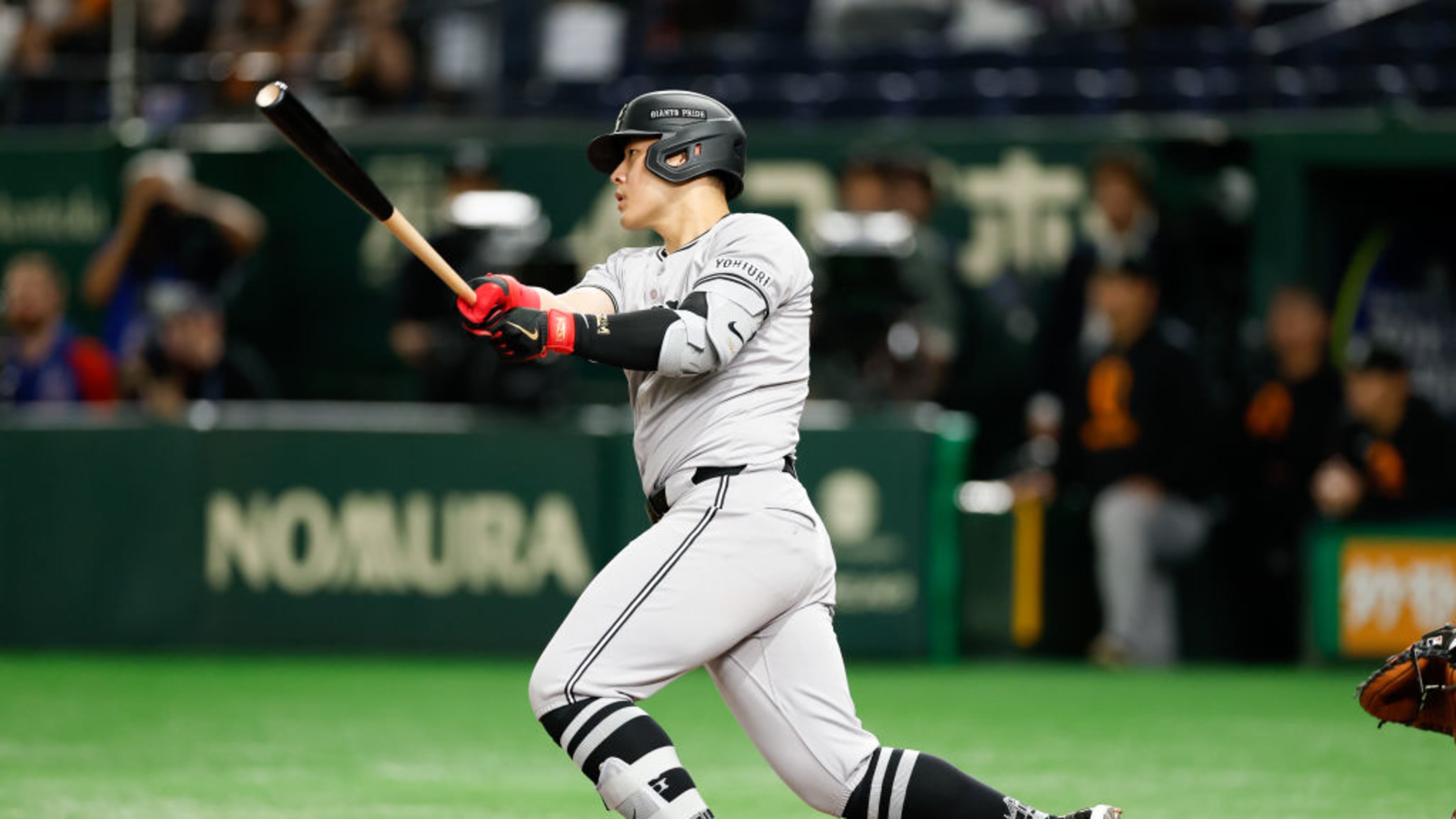
Almost everyone, that is except one name. Entering the winter, New York appeared to be a natural fit for one of the high-profile Japanese players making the jump to MLB. Alongside Munetaka Murakami and Tatsuya Imai, Kazuma Okamoto stood out as a logical target.
An accomplished defensive third baseman who likely would have slotted in better at first base for the Mets, Okamoto could have provided valuable positional versatility. While roster construction eventually made him a less obvious match, it’s still surprising that the Mets never appeared to show serious interest at any stage of the process.
The Mets’ apparent lack of consideration for Okamoto remains one of the offseason’s bigger head-scratchers.
There is always a level of uncertainty when players transition from international leagues to Major League Baseball. The adjustment to consistently higher velocity pitching, for example, contributed to Murakami receiving a smaller contract than initially expected. Okamoto ultimately signed a respectable four-year, $60 million deal with the Toronto Blue Jays. The contract length may have been a sticking point for Mets president of baseball operations David Stearns, even though the $15 million average annual value fits comfortably within the team’s typical spending range. It’s easy to imagine the Mets being willing to pay closer to $20 million annually over a shorter, three-year term had there been genuine interest.
FanGraphs projects Okamoto to post a 112 wRC+, comparable to free agent Ryan O’Hearn but trailing the 116 projection for Jorge Polanco. All three players occupied a similar tier this offseason, though Polanco secured the highest annual value, earning $20 million per year on a two-season deal.
Polanco’s projected production also edges out the expected 115 wRC+ from Willson Contreras and Mark Vientos—two other first-base options the Mets explored, one via trade and the other internally. Ultimately, New York opted for a player capable of contributing at multiple positions rather than being limited to first base.
Something about Okamoto clearly raised concerns within the Mets’ front office, enough to keep him off their radar entirely. The most plausible explanation is the inherent risk tied to a player with no MLB track record, which may have outweighed the upside in the eyes of the organization.
Leave a Reply