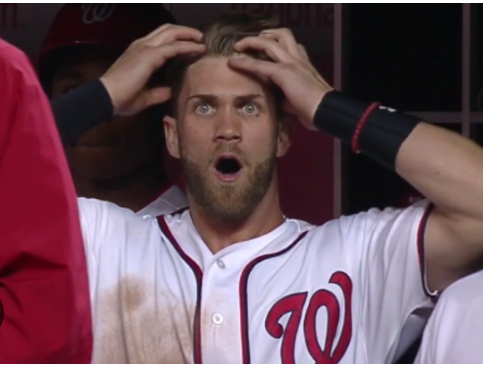
As Major League Baseball and the MLB Players Association begin negotiations on a new Collective Bargaining Agreement, Philadelphia Phillies superstar Bryce Harper has issued a strong warning about the potential consequences of a prolonged labor dispute, emphasizing that both sides must reach common ground before the sport risks damaging its momentum and popularity.
With the current labor agreement set to expire in seven months, discussions between team owners and players have already begun to intensify. At the center of the negotiations is one of baseball’s most contentious issues: the possibility of implementing a salary cap system, a proposal that has long been opposed by the players’ union.
Harper, one of the most influential voices in the game and a two-time National League MVP, expressed concern that failing to reach an agreement could threaten the stability of the sport and potentially impact the 2027 season. Speaking before the Phillies’ series finale against the Los Angeles Dodgers, Harper stressed that baseball is currently in a strong position and cannot afford another labor stoppage that drives fans away.
The MLB Players Association is seeking several significant changes in the next agreement, including expanded free agency opportunities, enhanced salary arbitration rights, higher minimum salaries for players, increased financial support for lower-revenue teams, and adjustments to the competitive balance tax system. Union representatives argue that these changes would create a fairer economic structure for players across the league.
Meanwhile, MLB owners are reportedly pushing for a cap-and-floor payroll system that would establish both maximum and minimum spending limits for teams. Under the proposed framework, clubs would share revenues more evenly, while an escrow system could be introduced to adjust player compensation based on overall league revenue performance.
The proposal has generated substantial resistance from players, who fear that a salary cap would suppress earnings and reduce opportunities for top performers in free agency. Concerns have also been raised about the escrow concept, with critics pointing to similar systems used in other professional sports leagues where players have seen portions of their salaries withheld.
Harper emphasized that both sides must recognize the success baseball has enjoyed in recent years and avoid repeating mistakes that have previously harmed the sport. He noted that today’s entertainment landscape is far different from past decades, making it easier for fans to shift their attention elsewhere if baseball experiences another lengthy labor conflict.
The debate comes as questions surrounding competitive balance continue to grow. Big-spending organizations such as the Los Angeles Dodgers have invested heavily in talent, while several smaller-market clubs have remained competitive despite significantly lower payrolls. The contrasting approaches have fueled ongoing discussions about whether baseball’s financial structure needs reform.
Harper has never been shy about sharing his views on labor issues. Over the years, he has emerged as one of the strongest opponents of a salary cap and has publicly defended teams willing to spend aggressively in pursuit of championships. His previous disagreements with MLB Commissioner Rob Manfred over labor matters have underscored his commitment to protecting player interests.
The concerns surrounding the current negotiations are heightened by baseball’s recent labor history. The 2021 lockout lasted 99 days before a new agreement was reached, while the infamous 1994 strike led to the cancellation of the World Series and remains one of the most damaging events in MLB history.
As negotiations continue, Harper’s message is clear: both owners and players must find a solution that preserves the sport’s growth and avoids a conflict that could jeopardize the future of baseball. With the expiration of the current agreement drawing closer, the pressure to reach a deal is only expected to increase in the months ahead.
Leave a Reply