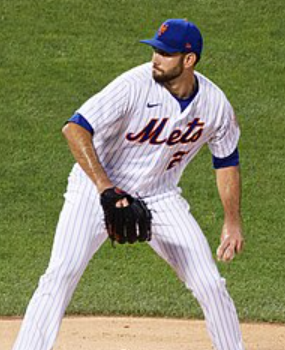
With the calendar turning to July, Major League Baseball’s trade deadline is rapidly approaching, forcing teams across the league to determine whether they will buy, sell, or stand pat. While several clubs remain on the playoff bubble, the New York Mets appear to be moving toward becoming one of the deadline’s most active sellers after a disappointing season that has fallen well below expectations.
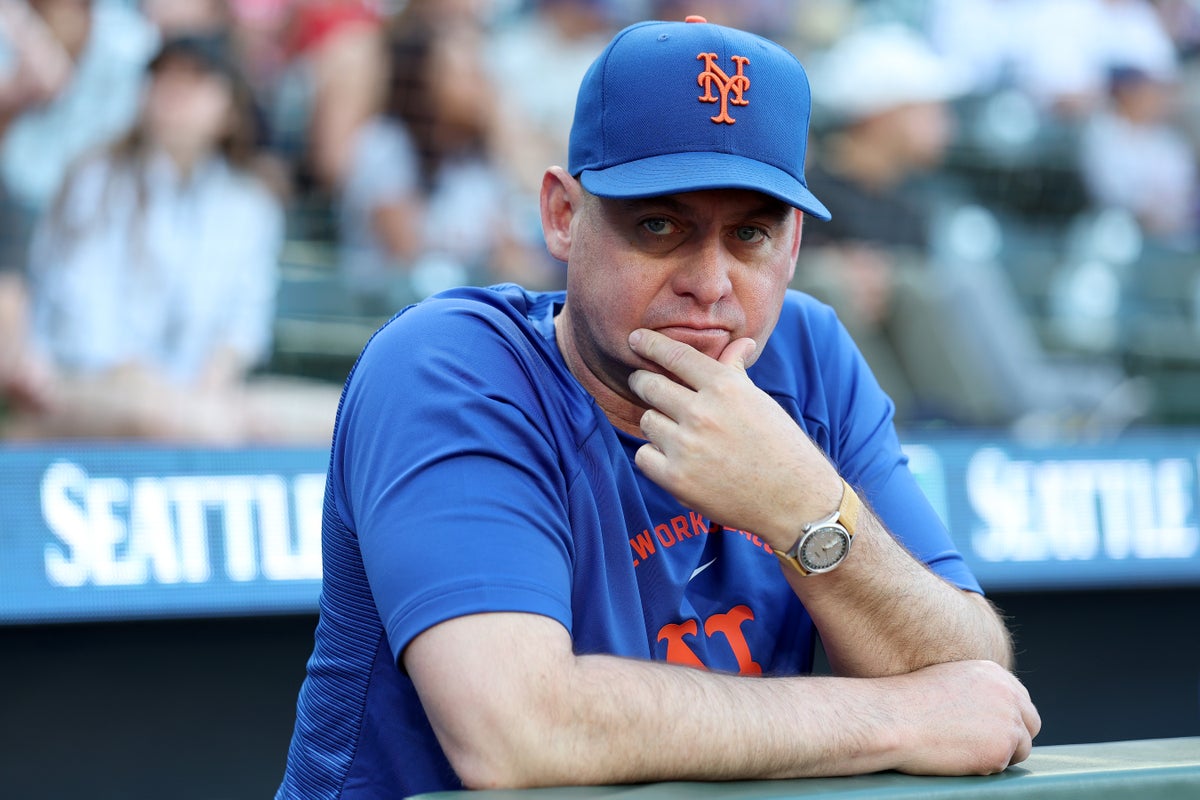
Despite entering the year with one of baseball’s largest payrolls—approximately $365 million—the Mets have failed to contend in the National League. As of Thursday, New York owned a 36-51 record, leaving the club 10 games behind the final National League Wild Card position and facing increasingly slim postseason hopes.
Although a miraculous second-half turnaround cannot be completely ruled out, recent moves by the organization strongly suggest the front office has already begun preparing for the future rather than making a late push for October baseball.
That direction became even clearer when the Mets dismissed manager Carlos Mendoza on June 26 following weeks of disappointing performances. The decision signaled a major organizational reset and was viewed by many as an acknowledgment that the season had slipped beyond recovery.
Just days before Mendoza’s departure, New York also completed a notable trade by sending starting pitcher David Peterson to the Chicago Cubs in exchange for the Cubs’ No. 13-ranked prospect. The deal not only added another young talent to the Mets’ farm system but also officially made Francisco Lindor the longest-tenured player on the roster.
With the trade deadline less than a month away, New York’s priority now appears straightforward: maximize the value of veterans who are unlikely to be part of the club’s long-term plans while continuing to strengthen its pipeline of young talent.
Among all the players expected to draw trade interest, no name stands out more than veteran right-hander Freddy Peralta.
Peralta’s time in New York has fallen well short of expectations after arriving in a blockbuster trade orchestrated by President of Baseball Operations David Stearns. In order to acquire the experienced starter, the Mets surrendered two of the organization’s premier prospects—Brandon Sproat and Jett Williams—a move that was expected to solidify the front end of the rotation.
Instead, the trade has become one of the organization’s biggest disappointments.
Rather than pitching like the frontline starter the Mets envisioned, Peralta has endured one of the least effective seasons of his career. Through 18 starts, the veteran owns a 5-7 record with a 4.81 ERA, struggling to consistently deliver quality outings and failing to provide the stability expected from a top-of-the-rotation arm.
His inconsistent performances have significantly reduced his value compared to when New York acquired him, creating uncertainty about how much interest he will generate on the trade market.
Complicating matters further are Peralta’s reported contract expectations.
According to USA Today insider Bob Nightengale, Peralta is believed to be seeking a contract comparable to the massive deal signed by Max Fried, who joined the New York Yankees on an eight-year, $212 million contract before the 2025 season.
Given Peralta’s struggles throughout 2026, however, it appears highly unlikely that any club would currently be willing to approach that level of financial commitment. His disappointing campaign has raised serious questions about both his long-term market value and whether contenders will view him as a worthwhile trade target before the deadline.
Nevertheless, pitching remains one of the most sought-after commodities every July, meaning Peralta could still attract interest from teams hoping a change of scenery helps him rediscover the form that previously made him one of the National League’s more dependable starters.
For the Mets, the coming weeks will likely be defined by difficult decisions as the organization evaluates which veterans can help accelerate its rebuilding efforts through prospect acquisitions.
With postseason hopes fading, the franchise appears poised to shift its focus toward the future, making the upcoming trade deadline one of the most important moments of New York’s disappointing 2026 campaign.
Leave a Reply