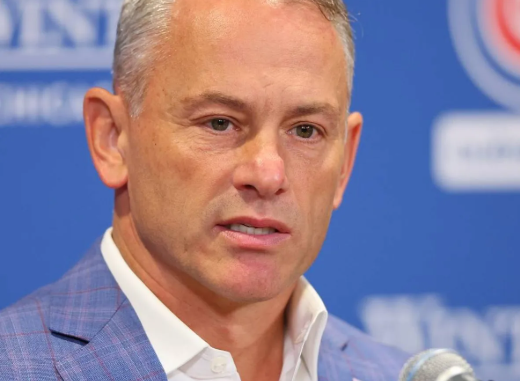
The Chicago Cubs enter the second half of the 2026 season in a strong position, but one major question continues to dominate discussions around the organization: should president of baseball operations Jed Hoyer make an aggressive push for a frontline starting pitcher, or take a more conservative approach ahead of the MLB trade deadline?
Despite enduring an inconsistent first half filled with injuries and uneven stretches of play, Chicago has reached the All-Star break at 12 games over .500 and comfortably occupies one of the National League Wild Card positions. However, with the Milwaukee Brewers maintaining control of the NL Central, the Cubs know they cannot rely solely on their current roster if they hope to make a deep postseason run.
As the Aug. 3 trade deadline approaches, industry experts believe pitching remains the club’s most pressing need.
Pitching remains Chicago’s biggest concern
While the Cubs have dealt with their share of ups and downs this season, their lineup has rarely been the problem.
Chicago boasts one of the strongest defensive teams in Major League Baseball while ranking just behind the Los Angeles Dodgers in weighted runs created plus (wRC+), highlighting the effectiveness of its offense.
With a productive lineup already in place, the front office has little reason to pursue major offensive upgrades.
Instead, nearly all attention has shifted toward reinforcing a rotation that has been ravaged by injuries throughout the season.
Several key starters including Cade Horton, Justin Steele, Ben Brown, and Edward Cabrera have missed significant time, forcing the Cubs to constantly shuffle their pitching staff and rely on depth options.
Jeff Passan points Cubs toward veteran starters
ESPN insider Jeff Passan recently identified starting pitching as Chicago’s clear priority before the deadline and suggested two pitchers who could dramatically improve the Cubs’ playoff outlook.
At the top of Passan’s list is veteran Sonny Gray, whom he described as Chicago’s ideal acquisition.
Gray’s combination of postseason experience, durability, and consistent production makes him an attractive fit for a Cubs club searching for stability atop the rotation.
However, Passan also highlighted Detroit Tigers right-hander Casey Mize as another compelling option.
Mize has quietly enjoyed an outstanding season, posting a 2.79 ERA and 2.69 FIP through 14 starts, establishing himself as one of the American League’s most effective pitchers.
His age and performance could make him an appealing alternative should a Gray deal prove too complicated.
Sonny Gray trade comes with significant obstacles
Although Gray appears to be an excellent fit on paper, Passan believes several factors could complicate any negotiations.
The veteran right-hander possesses a full no-trade clause, giving him complete control over whether he approves any potential deal.
While Chicago would seem to be an attractive destination for a veteran hoping to compete in October, Gray would still have the final say regarding his future.
Even if he agreed to waive the clause, financial considerations could present another major hurdle.
Gray is still owed approximately $10 million for the remainder of his contract, along with another $10 million buyout tied to a mutual option for the 2027 season.
Because mutual options are rarely exercised, the buyout effectively becomes guaranteed money, increasing the overall financial commitment for whichever team acquires him.
Ownership spending could shape deadline plans
The financial aspect of a potential Gray trade raises broader questions about how aggressive the Cubs are willing to be this summer.
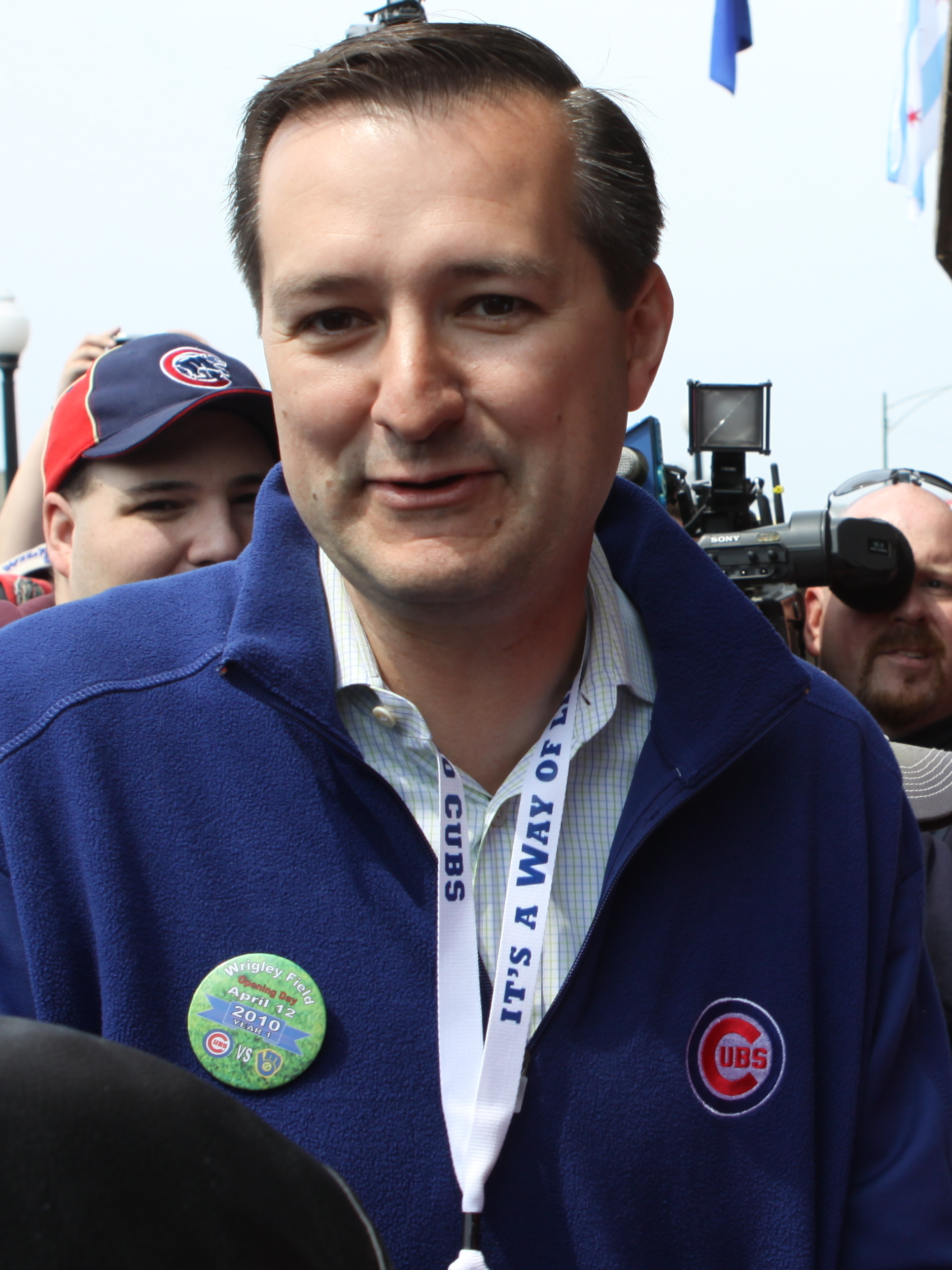
Although owner Tom Ricketts has previously approved significant in-season spending including Chicago’s acquisition of Nick Castellanos during a playoff push the organization has generally operated with greater financial restraint in recent years.
Following a busy offseason that included several notable expenditures, there is uncertainty about whether ownership is prepared to authorize another expensive deadline addition.
That reality may ultimately influence Hoyer’s strategy as much as the available talent on the trade market.
Casey Mize offers another intriguing path
If Gray proves unattainable, Mize could emerge as a more realistic target.
The Tigers starter has enjoyed one of the strongest campaigns of his career while establishing himself as a dependable rotation piece.
Although Detroit may be reluctant to part with him, Mize’s age, effectiveness, and upside would make him an ideal addition for a Cubs team hoping to compete not only this season but beyond.
Critical decisions await Chicago
With one of baseball’s strongest lineups already in place, the Cubs know their postseason hopes may ultimately depend on whether they can strengthen their pitching staff before the deadline.
Whether Hoyer pursues an experienced veteran like Gray, targets a younger arm such as Mize, or explores entirely different options, the coming weeks will likely define Chicago’s chances of making a legitimate run toward the National League pennant.
The debate now facing the Cubs front office is simple but significant: invest heavily now for a championship opportunity, or preserve future assets while trusting the current roster to finish the job.
Leave a Reply