
The Chicago Cubs may be getting an unexpected reinforcement for the most important part of their 2026 season.
When the Cubs signed veteran right-hander Shelby Miller to a two-year, $2.5 million contract during the offseason, the move was viewed primarily as an investment in the future. Miller was recovering from major elbow surgery and was not expected to contribute much, if at all, during the 2026 campaign. The expectation was that Chicago would allow him to spend the season rehabbing before potentially becoming a bullpen option in 2027.
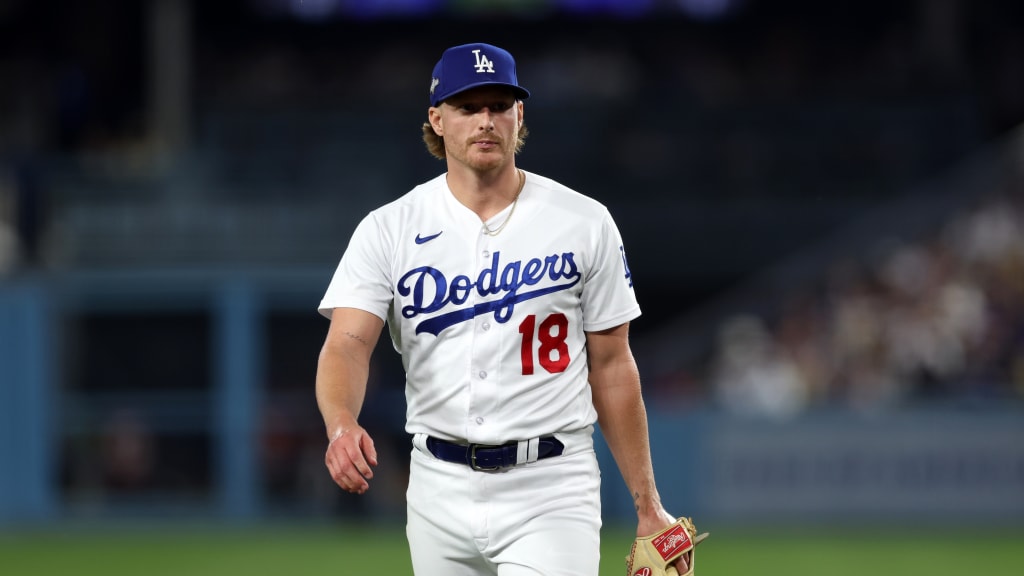
Instead, Miller’s recovery has progressed much faster than anticipated.
The veteran reliever has now reached the point where he is pitching in rehabilitation games for Triple-A Iowa, marking another major step in what has become a surprisingly encouraging comeback. In his latest outing, Miller worked one inning, allowed one earned run on two hits and struck out two batters.
More importantly for the Cubs, Miller has reportedly been able to reach 96 mph with his fastball during his recent Triple-A appearance. For a pitcher returning from significant elbow surgery, the velocity is an especially encouraging development because it suggests that Miller is beginning to recover the type of stuff that could eventually make him useful in a major-league bullpen.
A comeback nobody expected this soon
Miller’s situation is particularly interesting because Chicago never appeared to be counting on him for the current season.
The Cubs understood when they signed him that his rehabilitation would take time. Miller had undergone elbow surgery after suffering a UCL injury in 2025, and the initial expectation was that he would miss most or all of 2026. That made the two-year contract something of a calculated gamble: Chicago could give Miller the necessary time to recover while retaining his services for the following season.
The Cubs essentially bought low on a veteran pitcher with the hope that he could eventually return to his previous form.
Now, that investment may provide an unexpected dividend much earlier than anticipated.
Miller’s appearance with Iowa represents more than just another rehabilitation milestone. It means he has progressed from throwing controlled bullpen sessions and working through his recovery program to facing professional hitters in competitive situations.
That distinction matters.
Rehabilitation appearances allow the Cubs to evaluate how Miller’s arm responds to the demands of actual game action, including pitch sequencing, recovery between innings, command and the ability to maintain velocity against hitters. Every successful outing gives the organization more information about whether a major-league return is realistic.
Why Miller could matter to the Cubs’ bullpen
The timing could not be better for Chicago.
The Cubs are entering the stretch run of the season, a period when bullpen depth becomes increasingly important. The postseason places additional pressure on relief pitchers, and having another experienced arm available could give manager Craig Counsell more flexibility when managing games.
Miller would not necessarily need to immediately become a high-leverage closer to make an impact.
If he continues progressing, Chicago could initially use him in a controlled role, perhaps in lower-leverage situations or as part of a multi-inning relief plan. From there, his responsibilities could increase depending on how his velocity, command and overall effectiveness develop.
That type of depth could become extremely valuable once the Cubs reach October.
Instead of entering the postseason with a bullpen that has to rely heavily on the same group of relievers, Counsell could potentially have another veteran option capable of absorbing innings and handling difficult stretches of games.
The 96-mph fastball changes the conversation
Perhaps the most encouraging aspect of Miller’s comeback is the reported velocity.
Pitchers returning from major elbow surgery are often judged by how their stuff returns over time, and velocity can be one of the clearest indicators of whether a pitcher is approaching his previous physical level. Miller reaching 96 mph gives the Cubs a reason to be optimistic, even though one rehabilitation appearance is far from enough to guarantee a successful return.
The Cubs will likely continue taking a cautious approach.
Miller has already undergone significant elbow surgery, so there is little incentive to accelerate his rehabilitation simply because the possibility of a 2026 return has emerged. The priority remains making sure he can repeatedly pitch without setbacks and build up the necessary workload.
That caution is especially important because the Cubs originally planned around Miller being unavailable this season.
There is no reason for the organization to jeopardize his long-term health just to squeeze a few appearances out of him in August or September.
From 2027 plan to potential 2026 bonus
That is what makes Miller’s story so intriguing.
A player who was initially viewed as a potential 2027 bullpen addition could now become an unexpected late-season reinforcement.
If Miller continues to progress through his rehab assignment, maintains his velocity and demonstrates improved command, the Cubs could eventually have a decision to make. They could continue taking the conservative approach and save him entirely for 2027, or they could determine that his recovery has advanced enough to justify giving him a chance during the final weeks of the regular season.
The latter scenario would essentially give Chicago an extra pitcher it never expected to have.
It could also give Miller an opportunity to complete one of the more remarkable comeback stories in the Cubs’ organization this year.
Chicago has plenty of reasons to remain patient
Despite the encouraging signs, the Cubs cannot afford to assume Miller is ready for a major-league role simply because he has reached Triple-A.
His latest outing was only one inning, and he allowed two hits and an earned run. The strikeouts and velocity are encouraging, but Miller still needs to demonstrate consistency over multiple appearances.
The Cubs will also want to monitor how his arm responds after pitching. The recovery period between appearances can be just as important as what happens during the outing itself.
If Miller handles the increased workload without experiencing discomfort or a drop in velocity, his chances of contributing this season will naturally become more realistic.
For now, however, Chicago can afford to let the process play out.
An unexpected weapon for October?
The possibility of Miller pitching meaningful innings for the Cubs in 2026 would have sounded unrealistic when Chicago signed him.
Now, it is at least conceivable.
The Cubs did not acquire Miller to solve an immediate bullpen problem. They signed him with the future in mind. But his accelerated rehabilitation has potentially changed the equation, giving Chicago another option at a time when every healthy pitching arm matters.
If Miller can continue building his workload and maintain the promising velocity he has displayed in Triple-A, he could become one of the most intriguing wild cards on Chicago’s roster.
Even if he does not make it back to the majors this season, his progress is still a major victory for the Cubs. It would mean their investment is ahead of schedule and that Miller could enter 2027 much closer to full strength than originally anticipated.
But if everything continues moving in the right direction, Chicago could get something it never expected when it signed him: a veteran bullpen arm capable of joining the Cubs just in time for a postseason push.
What began as a long-term rehabilitation project is suddenly turning into one of the more fascinating comeback stories surrounding the Cubs and the next few weeks could determine whether Miller’s 2026 season becomes much more than anyone originally imagined.
Leave a Reply