The Chicago Cubs may have quietly made one of their most useful moves of the 2026 trade deadline when they acquired outfielder Tyrone Taylor from the New York Mets. At the time, Taylor appeared to be more of a depth addition than a major piece, but Matt Shaw’s latest injury update has changed the outlook considerably.

Shaw was placed on the injured list with a wrist sprain toward the end of June, and the initial expectation was that the former first-round pick would be sidelined only briefly. Instead, his recovery has dragged on for considerably longer than the Cubs anticipated. With August now underway, Shaw has only recently reached the point where he can resume swinging a bat, leaving his eventual return date uncertain.
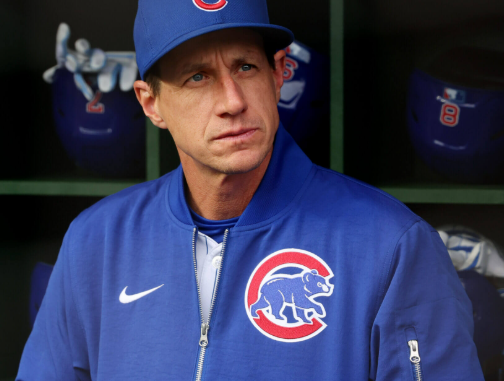
Cubs manager Craig Counsell recently acknowledged that Shaw is progressing, but emphasized that the process has been slower than everyone would have preferred.
“We’re making progress, it’s just slow progress,” Counsell said, explaining that the team does not want to rush Shaw back and risk turning a lengthy absence into an even bigger problem.
That caution is understandable considering how important Shaw could be to Chicago’s lineup. The young infielder had already dealt with a back issue earlier in the season, but his performance after returning showed why the Cubs remain so invested in his development. In 43 plate appearances, Shaw collected nine hits, produced three extra-base hits and posted a 141 wRC+, giving Chicago an encouraging glimpse of the offensive impact he can provide when healthy.
His value also extends beyond his bat. Shaw’s ability to handle multiple positions gives Counsell additional options when constructing the lineup, particularly when injuries or slumps force the Cubs to shuffle their defensive alignment.
That versatility made his prolonged absence particularly problematic for Chicago, and it helps explain why the acquisition of Taylor has become much more significant in hindsight.
Taylor could become a key piece of Chicago’s post-deadline plans
When the Cubs acquired Taylor from the Mets, the move did not generate the same attention as some of the bigger deadline transactions. However, the veteran outfielder may now have a much larger role than initially anticipated.
According to reporting surrounding the Cubs’ deadline strategy, Counsell had communicated to president of baseball operations Jed Hoyer and general manager Carter Hawkins that the roster needed another right-handed hitter capable of providing quality production off the bench. Taylor fit that description while also bringing experience, defensive versatility and the ability to handle different outfield roles.
The timing of the move now looks especially important.
Had Shaw recovered on the original timeline, the Cubs could have had the flexibility to give him an extended opportunity in left field, particularly with Ian Happ struggling at the plate. Instead, Shaw remains weeks away from returning, leaving Chicago in need of another dependable option capable of taking meaningful at-bats.
Taylor could fill that void.
The expectation is that Taylor will receive more regular starts against left-handed pitching, potentially allowing Counsell to protect Happ from some of the tougher matchups while maintaining a balanced lineup. Taylor’s presence also gives the Cubs a proven veteran who can step into the lineup without forcing the organization to rely too heavily on inexperienced players.
That does not mean Taylor is replacing Shaw.
Chicago is unquestionably a better team when Shaw is healthy, and his return could give Counsell another valuable piece to move around the diamond. His offensive upside, positional flexibility and potential long-term importance to the organization make him someone the Cubs will want back as soon as it is safe.
But until that happens, Taylor’s role could become much more prominent than anyone expected when the trade was completed.
The Cubs entered the deadline needing additional depth and right-handed production, and Taylor checked both boxes. What initially looked like a relatively minor roster move could ultimately prove to be one of Chicago’s more important decisions if Shaw’s recovery continues to stretch into the latter stages of the season.
If Shaw can return before the postseason, the Cubs could suddenly have an intriguing combination: Shaw providing young, high-upside versatility while Taylor supplies experienced right-handed production and matchup flexibility.
For now, however, Taylor’s importance is growing by the day. Shaw’s slow recovery has transformed what looked like a depth acquisition into a potentially crucial piece of the Cubs’ push down the stretch.
Leave a Reply