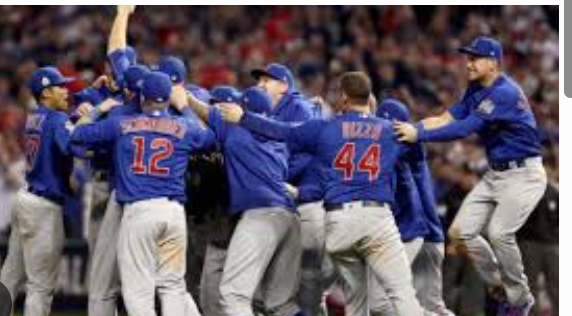
CHICAGO — For more than a century, Wrigley Field has been one of baseball’s most unpredictable ballparks. From swirling winds and shifting weather to tricky sunlight and ivy-covered walls, the iconic stadium has long challenged players and pitchers alike. But in 2026, the Chicago Cubs are no longer simply dealing with Wrigley’s quirks they’re fully embracing them, and the results are transforming the ballpark into one of the toughest environments in Major League Baseball.
Former Cubs legend Fergie Jenkins once explained how he would glance at the flags above Wrigley on his way into the stadium to determine exactly what kind of day awaited him on the mound. Decades later, that same unpredictability still defines the “Friendly Confines,” even as the surrounding neighborhood has evolved dramatically.
This season, however, the Cubs have learned how to thrive within the chaos.
As the Milwaukee Brewers arrived in Chicago for a pivotal National League Central showdown, the Cubs carried a remarkable 15-game home winning streak into the series. It marked the second-longest home winning streak in franchise history at Wrigley Field, trailing only the legendary 1935 Cubs team that won 100 games and captured the National League pennant.
Chicago’s dominant run at home has included undefeated homestands against playoff-caliber opponents such as the Mets, Phillies, Diamondbacks, Pirates, and Reds. The streak has also featured six dramatic walk-off victories, including three consecutive comeback wins over Cincinnati, helping fuel an MLB-best 18-5 home record.
The Cubs have outscored opponents by 40 runs during the streak, proving that Wrigley’s unusual environment has become more than just a backdrop it has become a competitive weapon.
Second baseman Nico Hoerner explained that while Wrigley’s conditions can be difficult for both teams, the Cubs have grown more comfortable adapting to every unpredictable element.
Whether it’s gusting winds turning routine fly balls into home runs, harsh sunlight affecting visibility, or rapidly changing weather conditions altering gameplay, Chicago has developed the mentality that every unusual circumstance can be turned into an advantage.
Veteran pitcher Jameson Taillon revealed that the Cubs openly discussed the importance of mastering Wrigley’s conditions during spring training. The team focused heavily on learning how to win regardless of whether the wind was blowing in, blowing out, or creating complete offensive chaos.
That preparation appears to be paying off.
Last season, the Cubs already posted an impressive 50-31 home record before carrying that momentum into the playoffs. This year, they’ve elevated things even further.
Statistically, the difference has been dramatic. After beginning the season with a sluggish 3-5 home start while battling cold temperatures and pitcher-friendly winds, Chicago’s offense has exploded over the last 15 games. During the winning streak, the Cubs have slugged .491, posted a dominant 147 weighted runs created plus (wRC+), and averaged more than six runs per game.
The environment at Wrigley has played a major role in that turnaround.
Some days the ballpark behaves like a pitcher’s paradise. Other days, it transforms into one of the most hitter-friendly stadiums in baseball depending on the wind patterns. The Cubs have learned to adapt faster than visiting teams, and that familiarity has become one of the club’s greatest strengths.
Hoerner described the team’s mentality as “dominating Wrigley” by embracing every type of game the stadium creates rather than fighting against it.
Japanese left-hander Shota Imanaga even suggested that Wrigley possesses an almost invisible energy that players can physically feel once they step onto the field.
The Cubs’ success at home is also helping them remain firmly in the race near the top of the National League, despite increased pressure from division rivals like Milwaukee and St. Louis. While recent losses briefly slowed Chicago’s momentum, their dominance at Wrigley continues to separate them as one of baseball’s most dangerous home teams.
At a stadium built 112 years ago, the Cubs may have discovered something modern contenders desperately seek: a true home-field advantage that opponents simply cannot replicate.
Leave a Reply