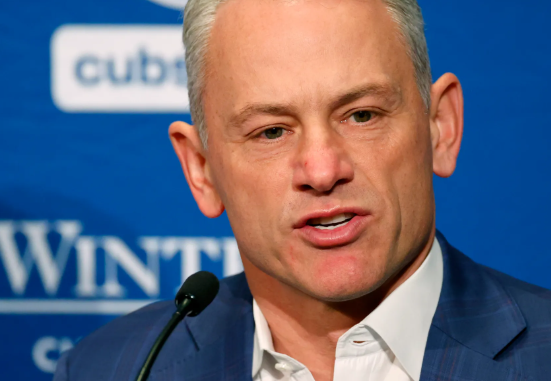
The Chicago Cubs entered the 2026 MLB trade deadline with one clear objective: strengthen the roster for a serious postseason run. By the time the deadline passed, team president Jed Hoyer had done far more than simply fill a few gaps. In what became one of the most aggressive and ambitious trade-deadline performances in franchise history, Hoyer reshaped the Cubs’ pitching staff, added depth across the roster, and answered nearly every criticism that had followed him in recent years. The flurry of moves not only addressed the club’s biggest weaknesses but also demonstrated that the front office was fully committed to competing for a championship rather than settling for another cautious approach.
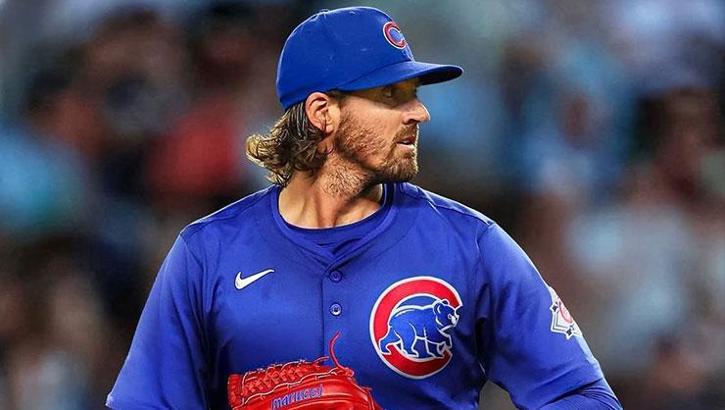
The 2026 trade deadline unfolded at a breathtaking pace across Major League Baseball. Blockbuster deals dominated headlines as stars switched teams, including reigning Cy Young winner Tarik Skubal’s move to the Los Angeles Dodgers and José Soriano’s surprising trade to the Toronto Blue Jays. Amid the frenzy, Chicago quietly emerged as one of the deadline’s biggest winners. The Cubs had entered the week determined to improve their starting rotation, reinforce the bullpen, and add valuable depth to the lineup. Hoyer and his front office accomplished all three objectives through a series of calculated yet bold moves.
Chicago’s activity began with the acquisition of veteran right-hander Kevin Gausman from the Blue Jays. The deal immediately strengthened the Cubs’ rotation by adding an experienced postseason pitcher with a long track record of success. While Gausman’s traditional ERA suggested an average season, his advanced metrics painted a far more encouraging picture. His 3.51 Fielding Independent Pitching (FIP) compared favorably to his 4.38 ERA, indicating that he had performed better than his surface numbers suggested. Surrounded by one of baseball’s strongest defensive infields, many believed Gausman could thrive down the stretch and become a dependable postseason starter.
Rather than stopping there, the Cubs continued to reinforce their pitching staff by trading for another experienced starter in Clay Holmes. Although Holmes joined the club on a short-term basis, his presence gave Chicago additional stability and flexibility in the rotation. At the same time, the front office strengthened the bullpen by acquiring hard-throwing reliever Ryan Zeferjahn, whose electric fastball and strikeout ability immediately increased the bullpen’s upside.
The Cubs also took a calculated gamble on left-hander Braxton Garrett, viewing him as a long-term investment rather than simply a rental for the current season. Garrett had previously demonstrated frontline potential before injuries interrupted his development. After undergoing Tommy John surgery, he returned to the majors this season but had yet to fully regain his previous form. Chicago believes that with proper development and a healthy offseason, Garrett could once again become a reliable member of the rotation. The Cubs rounded out their deadline additions by acquiring outfielder Tyrone Taylor, whose versatility, defensive ability, and reliable bat provide valuable depth for the stretch run.
Although reports briefly connected the Cubs with Angels left-hander Reid Detmers, that transaction ultimately failed to materialize. Even without Detmers, Chicago successfully addressed nearly every weakness that existed before the deadline. The aggressive approach represented a dramatic shift from previous years, when many fans criticized the organization for being overly conservative.
Those acquisitions, however, came with a significant price. Chicago was willing to sacrifice several highly regarded prospects in order to maximize its current championship opportunity. Highly ranked infield prospect Jefferson Rojas, considered one of the organization’s brightest young talents, was included in a package for short-term reinforcements. Catching prospect Moisés Ballesteros was also moved in a deal that surprised many around baseball, while additional promising prospects such as Jonathon Long, Jace Beck, and Mason McGwire were sent elsewhere as part of the organization’s aggressive deadline strategy.
The willingness to part with such valuable young talent illustrated the Cubs’ belief that the current roster deserved meaningful reinforcement. Rather than protecting every prospect for the future, Hoyer demonstrated confidence in the major league club by investing heavily in immediate improvements.
Several of Chicago’s acquisitions also reflected a willingness to embrace calculated risks. Gausman and Holmes were proven veterans who offered reliability, but players such as Garrett and Zeferjahn represented upside plays that could deliver tremendous value if they reached their full potential.
Garrett remains an intriguing arm because of what he accomplished before injuries derailed his career. During his healthiest stretch, he established himself as an effective major league starter capable of logging significant innings while maintaining impressive run prevention numbers. Although his return season has been uneven, the Cubs see him as someone who could contribute well beyond 2026 if he returns to peak form.
Zeferjahn offers a different type of upside. The young reliever possesses premium velocity and has produced excellent results over the past two months, posting a dominant ERA while generating strikeouts at an elite rate. His primary challenge remains improving his command, as his elevated walk rate has occasionally created unnecessary traffic on the bases. Nevertheless, his long-term club control through 2031 makes him an especially attractive addition for Chicago’s bullpen.
The deadline also highlighted an important evolution in Jed Hoyer’s reputation. Throughout much of his tenure, fans frequently criticized the Cubs’ front office for relying too heavily on analytical models, exercising caution in free agency, and appearing reluctant to make aggressive moves when opportunities arose. The infamous reference to long-term planning only intensified those concerns.
This year’s deadline challenged that narrative. Instead of sitting back while rivals improved, Hoyer aggressively attacked the market, acquiring multiple impact players while demonstrating a willingness to spend valuable prospect capital. His actions suggested that the organization recognized the importance of maximizing a team capable of making a deep postseason run.
The strategy also fits within a broader pattern established during Hoyer’s leadership. In 2023, when the Cubs emerged as surprise contenders, the front office added one of the best rental bats available by acquiring Jeimer Candelario. A year later, Hoyer again displayed boldness by trading fan favorite Christopher Morel in a package that landed Isaac Paredes. That move eventually paved the way for another major offseason transaction involving Kyle Tucker.
While Hoyer may not match the relentless aggressiveness displayed by executives such as San Diego Padres president of baseball operations A.J. Preller or the financial power of the Los Angeles Dodgers, his latest deadline demonstrated a willingness to act decisively when circumstances demanded it. Rather than preserving prospects at all costs, he chose to reward a competitive roster that had earned additional support.
Ultimately, the Cubs emerged from the 2026 trade deadline looking significantly stronger than they did only a few days earlier. The rotation gained experienced arms, the bullpen added power and depth, the bench became more versatile, and the organization reaffirmed its commitment to winning now. Although the cost in prospects was substantial, Chicago signaled that it views this season as a legitimate opportunity to contend. For Cubs fans who had long questioned whether the front office would ever fully commit to chasing a championship, this deadline offered perhaps the clearest answer yet.
Leave a Reply