
A new battle is emerging between college athletes seeking additional eligibility and the Southeastern Conference, with the attorney representing Kentucky basketball transfer Mark Mitchell sharply criticizing the SEC’s latest roster policy.
Ryan Downton of Texas Trial Group, which represents Mitchell and several other athletes pursuing a potential fifth season of college basketball, has accused the SEC of taking action that could conflict with existing court orders. His criticism comes after the conference introduced a new policy aimed at restricting certain athletes with professional sports experience from competing on SEC rosters.
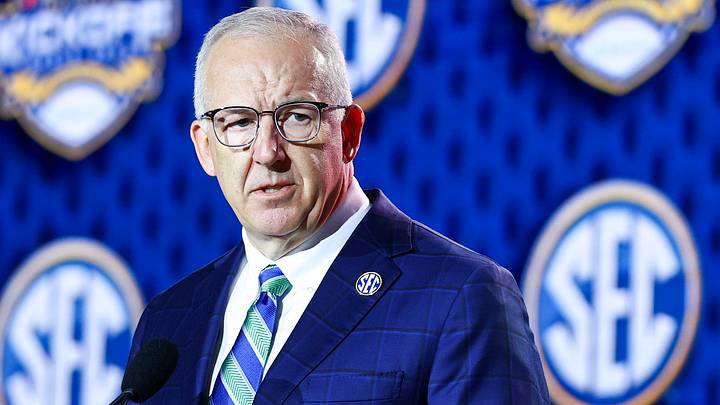
Downton argued that the conference’s decision goes beyond simply establishing an internal rule, suggesting that it could undermine legal decisions that have already been issued in favor of athletes seeking additional eligibility. He warned that the NCAA could potentially face serious legal consequences if conferences attempt to work around court rulings by creating their own restrictions.
The SEC’s new policy applies across all 16 of its member universities and reportedly prevents schools from carrying athletes who meet certain criteria involving previous professional sports experience. The move follows a similar decision by the Big Ten and arrives as college athletics continues to deal with a complicated series of lawsuits involving eligibility rules.
For Mitchell, the timing could be particularly important. The former Kentucky transfer is among the players attempting to secure another season of college eligibility despite the NCAA’s existing restrictions. A Kentucky court has previously ruled in Mitchell’s favor, giving him an important legal victory in his effort to return to the court.
However, the SEC’s newly adopted policy could create another hurdle even if Mitchell ultimately receives eligibility under the court system. That has raised questions about whether the conference can impose additional restrictions on players whose eligibility has already been addressed through litigation.
Mitchell’s situation may also differ from some of the other athletes involved in the broader eligibility fight. According to reporting cited in the original story, Mitchell was a graduating senior who did not need to formally declare for the NBA Draft or withdraw from the draft, did not sign an NBA contract and has not appeared on an NBA or G League roster.
Those details could become significant if the SEC attempts to apply its new policy to Mitchell. His representatives could argue that he does not meet the criteria the conference is targeting, potentially giving the player another avenue to remain eligible.
The dispute is part of a much larger legal fight surrounding athletes from the 2022 recruiting class. Several players are seeking an additional season after reaching the traditional eligibility limit, while court rulings and NCAA appeals have created an uncertain landscape for schools and athletes preparing for the upcoming season.
The NCAA has already challenged several court decisions connected to eligibility extensions, while conferences have begun taking steps of their own. The SEC and Big Ten policies therefore add another dimension to the ongoing battle and could potentially lead to further legal challenges.
For Kentucky, the situation is especially important because Mitchell could provide valuable experience and production if he is permitted to return. The Wildcats and their supporters will now have to wait for further legal developments to determine whether the SEC’s policy will affect his eligibility.
With court orders, NCAA appeals and conference-level restrictions all colliding, Mitchell’s case could become an important test of how much authority conferences have over athletes who have already received favorable rulings from the courts.
Leave a Reply