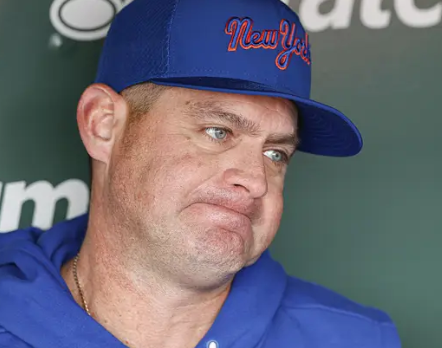
When the New York Mets signed Bo Bichette to a three-year, $126 million contract, the expectation was clear: he would provide consistency, stability, and offensive balance to a lineup built around star power. Instead, two months into the 2026 season, Bichette’s performance has emerged as one of the biggest concerns facing the organization.
The Mets envisioned Bichette as a dependable contact hitter capable of lengthening the batting order and reducing the pressure on marquee stars such as Juan Soto. Rather than serving as another all-or-nothing power bat, Bichette was expected to be the reliable offensive catalyst who could consistently put the ball in play, reach base, and keep innings alive.
So far, that vision has not materialized.

Through 266 plate appearances, Bichette has posted a disappointing .213 batting average, a .271 on-base percentage, and a .299 slugging percentage, resulting in a 66 wRC+. Those numbers place him well below league-average production and far below what the Mets anticipated when they committed significant financial resources to acquire him.
The concern is not simply that Bichette is enduring a brief slump. Players often experience difficult stretches over the course of a long season. The issue for New York is that these struggles have persisted for more than two months, turning what initially appeared to be an early-season adjustment period into a larger offensive problem.
The “Safe” Bat Hasn’t Been Safe
One of the primary reasons the Mets pursued Bichette was his reputation as one of baseball’s most reliable contact hitters. His track record in Toronto suggested he could provide a steady offensive presence while complementing the power bats surrounding him.
Instead, his offensive profile has become one of the weakest spots in the lineup.
The lack of production has created a ripple effect throughout the batting order. Opposing pitchers are increasingly able to navigate around dangerous hitters and attack weaker portions of the lineup without fear. As a result, players such as Soto often find themselves carrying a disproportionate share of the offensive burden.
Rather than helping create opportunities, Bichette’s struggles have contributed to periods where the Mets’ offense appears overly dependent on individual brilliance rather than collective production.
Offensive Structure Beginning to Break Down
The Mets built their lineup expecting Bichette to function as a bridge between the team’s elite hitters and the rest of the order. When that bridge disappears, the offense becomes easier to pitch against.
Early warning signs appeared during the opening weeks of the season when frustrated fans at Citi Field voiced their displeasure. At the time, many believed the criticism was premature and that Bichette would eventually return to form. However, as the season has progressed, concerns have only intensified.
The lack of consistent base runners ahead of the middle of the order has reduced scoring opportunities and made rallies harder to sustain. Every prolonged slump from Bichette increases the pressure on the rest of the lineup to compensate.
Contract Magnifies the Problem
Performance struggles are always noticeable, but they become even more significant when attached to a major financial commitment.
The Mets invested $126 million because they believed Bichette would be one of the lineup’s most dependable contributors. The organization wasn’t expecting MVP-level production every night, but it did expect a proven hitter capable of maintaining offensive stability.
Instead, questions are beginning to surface about whether the return on that investment is matching expectations.
Because Bichette’s defensive contributions have not been enough to offset his offensive shortcomings, his value is being judged primarily by what he produces at the plate. At the moment, those results have fallen short of what the Mets need from a player occupying such an important role.
Time Running Short for a Turnaround
Despite the disappointing start, there is still reason for optimism. Bichette’s lengthy history of offensive success suggests he remains capable of reversing course. Players with his contact ability and experience rarely remain ineffective for an entire season without underlying issues being addressed.
However, the Mets can no longer afford to simply wait and hope.
Whether the solution involves mechanical adjustments, a refined approach at the plate, or changes to his role within the lineup, the organization needs improvement sooner rather than later.
The Mets signed Bichette to eliminate uncertainty, not create another offensive question mark. As the season moves deeper into the summer, his ability to rediscover the form that made him one of baseball’s most respected hitters may ultimately play a major role in determining whether New York can salvage its playoff aspirations.
Leave a Reply