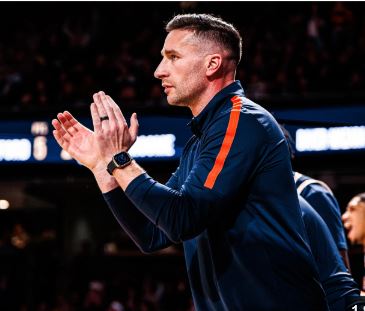
The new roster features an intriguing combination of international talent and experienced transfers, with centers Narcisse Ngoy and Bukky Oboye expected to provide a physical presence around the basket. Their ability to run the floor, protect the rim and bring energy on both ends of the court could become a defining feature of Auburn’s season. Steven Pearl has already acknowledged how important the pair could be, suggesting that their intensity and commitment can change the overall direction of the team when they are performing at their best.
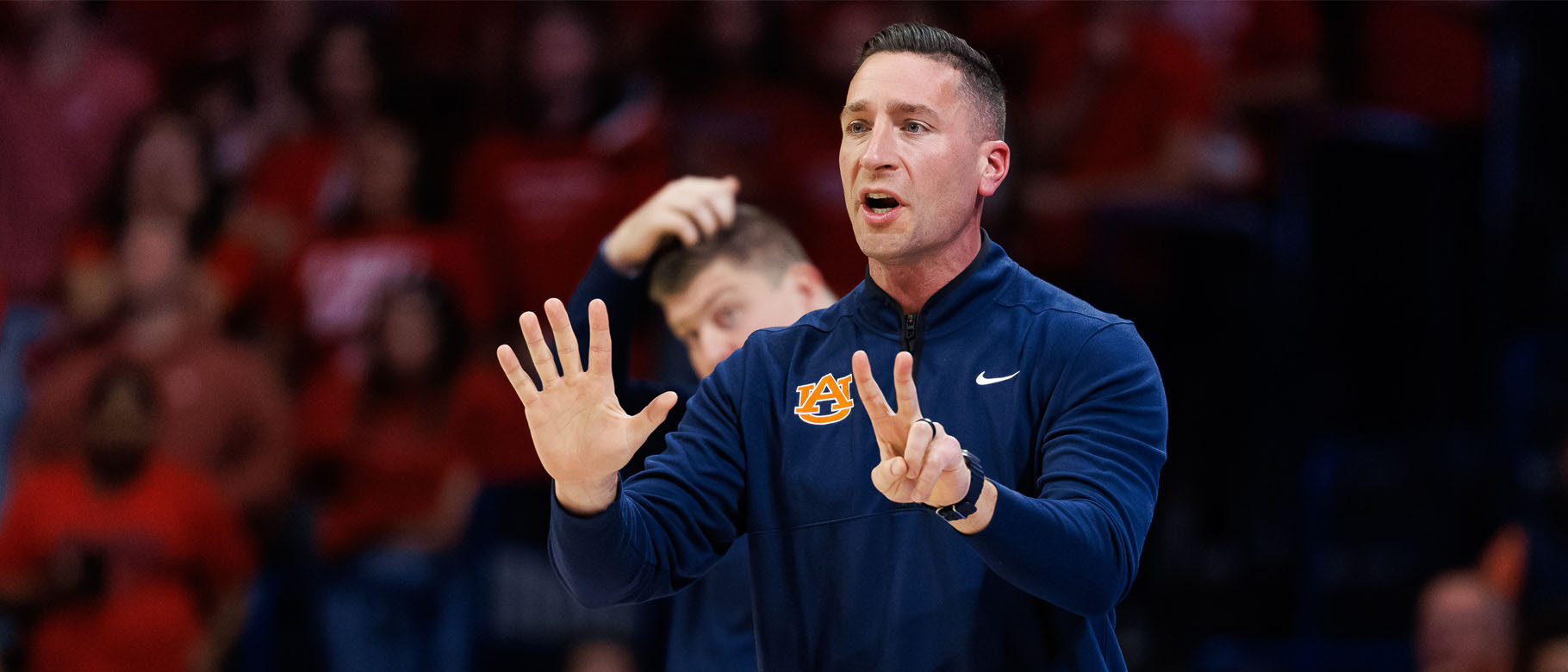
For Auburn supporters, the comparison with previous successful Tigers teams is difficult to ignore. Between 2022 and 2025, Bruce Pearl built teams that regularly relied on a powerful interior presence, strong rebounding and players capable of imposing their physicality on opponents. That approach helped Auburn win an SEC championship and eventually reach the Final Four, establishing the program among the nation’s most respected college basketball teams. Steven now hopes to recreate that level of competitiveness with a roster that offers several similar strengths.
Ngoy and Oboye are at the center of that ambition. Ngoy, an international transfer who was selected in the second round of the 2026 NBA Draft, brings considerable size and athletic potential to the frontcourt. Oboye, another transfer big man, offers Auburn a second imposing interior option. When both players are aggressive and active, they could give the Tigers a significant advantage in rebounding, rim protection and transition opportunities.
Steven Pearl emphasized the importance of their approach when discussing the two players, explaining that their motor and energy can change the trajectory of the team. That assessment highlights what Auburn needs from its frontcourt this season. Rather than simply relying on size, the Tigers want their big men to move quickly, finish around the rim, defend with discipline and maintain pressure throughout games.
However, Auburn’s new frontcourt is not an exact replica of the group that powered its previous successes. During the program’s rise under Bruce Pearl, Johni Broome and Dylan Cardwell developed an effective partnership that combined interior defense, rebounding and offensive versatility. Broome was particularly valuable because he could score from the mid-range and stretch the floor beyond the paint, while Cardwell supplied energy, physicality and defensive strength.
Ngoy and Oboye project more naturally as traditional centers, meaning their roles could differ from those of Broome and Cardwell. Although both players possess the potential to make a major impact, Auburn may not use them together for the same number of minutes that the previous frontcourt duo shared. Their effectiveness will depend on how well they complement one another and whether the coaching staff can create lineups that maximize their individual strengths.
That is where Owen Freeman could become an important piece of the puzzle. The former Creighton and Iowa big man offers a different offensive profile, with shooting ability that could help Auburn maintain spacing when its primary centers are operating near the basket. If Freeman establishes himself as the starting option, the Tigers could have greater flexibility in how they attack opposing defenses.
A lineup featuring Freeman’s shooting alongside Ngoy’s and Oboye’s interior presence would give Steven Pearl several ways to approach difficult matchups. Auburn could play with size and physicality against teams that struggle to defend the paint, while using its shooting options to prevent opponents from crowding the lane. The challenge will be finding the right balance between those strengths without sacrificing defensive consistency or offensive rhythm.
Steven Pearl Has a Stronger Foundation for 2026–27
Beyond the frontcourt, Auburn’s broader roster construction is another reason for optimism. Steven Pearl helped assemble the 2025–26 team after a leadership transition placed him in charge shortly before the season began. That unusual change created a difficult environment, and the Tigers struggled to establish the consistency needed to compete at their highest level.
Despite those problems, Auburn remained within reach of the NCAA Tournament for much of the campaign. The disappointing season nevertheless demonstrated how difficult it can be to build a cohesive team when leadership changes and roster adjustments occur under pressure.
This time, the circumstances appear more favorable. The 2026–27 roster has been assembled with a clearer identity, combining perimeter shooting, experienced transfers and substantial size in the frontcourt. Auburn will still need time to develop chemistry, but the combination gives Steven Pearl a stronger foundation than the team had during his first season in charge.
Tahaad Pettiford is among the backcourt players expected to help provide offensive creation and shooting, while Kevin could contribute to the perimeter attack. Their ability to stretch defenses will be important because it can create driving lanes for guards and give Auburn’s big men more room to operate near the basket.
Auburn’s success will depend on how effectively those pieces fit together. Strong interior players can dominate certain matchups, but they need guards who can deliver the ball, make sound decisions and punish opponents for overcommitting defensively. Similarly, perimeter shooters benefit when opposing defenses must account for multiple threats inside.
If the Tigers can establish that balance, they could become a more difficult team to defend throughout the SEC schedule. Their frontcourt depth could help them control rebounds and generate second-chance points, while their perimeter players could provide the scoring necessary to keep pace with teams that rely heavily on three-point shooting.
Can Auburn Recreate Its Final Four Success?
The ultimate question is whether Steven Pearl can turn the promising roster into a genuine contender for an SEC championship and a deep NCAA Tournament run. The similarities to Bruce Pearl’s successful teams provide an encouraging starting point, but comparisons alone cannot guarantee results.
Auburn will need consistent performances from its new arrivals, improved chemistry and the ability to execute against elite competition. Ngoy and Oboye must demonstrate that their physical tools translate into reliable production, while Freeman and the perimeter players will have to provide enough shooting to keep the offense balanced.
The Tigers must also prove they can handle the demands of a long season. Frontcourt depth could become particularly valuable when injuries, foul trouble and difficult SEC matchups test the roster. If Auburn can maintain its defensive intensity while producing efficiently on offense, the team should have a stronger chance of competing for major honors.
There is also considerable importance attached to the program’s overall standing within Auburn athletics. With expectations surrounding football remaining high, men’s basketball represents an opportunity for the university to sustain success in one of its major revenue-generating sports. A competitive basketball team could energize the fanbase and reinforce Auburn’s reputation as a destination for high-level college athletes.
For now, Steven Pearl’s approach is built around a proven principle: teams that combine interior dominance with reliable perimeter shooting can become difficult to stop. The Tigers have the size, potential and offensive options to make that formula work, although they must demonstrate that the pieces can function together when the season begins.
Auburn’s supporters have legitimate reasons to be optimistic about the 2026–27 campaign. Ngoy and Oboye could establish a formidable presence in the paint, Freeman could provide valuable shooting, and Pettiford and the other perimeter players could supply the offensive balance needed to compete with the SEC’s best.
The prospect of another SEC championship or Final Four appearance remains an ambitious goal rather than a guarantee. Nevertheless, Steven Pearl believes Auburn has the personnel to revive the strengths that defined the program’s most successful recent teams. If the new roster develops as expected, the Tigers could be preparing for a significant step forward—and a season that restores their place among college basketball’s most dangerous contenders.
Leave a Reply