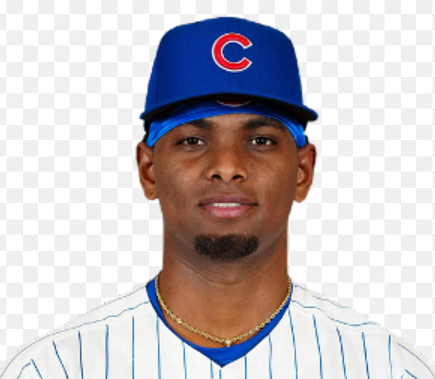
Faced with a growing wave of pitching injuries, the Chicago Cubs moved quickly to reinforce their rotation, striking a trade with the New York Mets to acquire former All-Star left-hander David Peterson.

The deal came shortly after Chicago completed a doubleheader sweep of the Mets, with the Cubs sending 22-year-old first base prospect Cole Mathis to New York in exchange for Peterson. The move reflects the urgency facing president of baseball operations Jed Hoyer, whose club has been hit hard by injuries to key starters, including Edward Cabrera and Ben Brown.
With six starting pitchers currently on the injured list, Chicago’s need for immediate pitching help had become impossible to ignore. Rather than wait until the trade deadline, the Cubs opted to address the issue early by adding a veteran arm with major league experience and a history of success.
Peterson earned All-Star honors in 2025 after an outstanding first half in which he posted a 3.06 ERA across 109 innings. However, his performance declined significantly afterward. He finished last season with a 6.34 ERA over the second half and struggled again in 2026, recording a 6.09 ERA before eventually losing his spot in the Mets’ starting rotation.
Because of those struggles, some observers believe Chicago paid a steep price by parting with Mathis, an emerging prospect who was viewed as a potential top-10 talent within the Cubs’ farm system. Yet the realities of the market often force contenders to pay extra for proven major league pitching, especially when injuries create immediate roster needs.
Despite Peterson’s disappointing numbers, the Cubs believe a change of scenery could help unlock better results. Advanced metrics suggest his performance may not have been as poor as his ERA indicates. Peterson owns a 3.85 Fielding Independent Pitching (FIP) mark this season, a statistic that points toward stronger underlying effectiveness than the traditional numbers suggest.
One factor working against him in New York was inconsistent team defense. The Mets have struggled defensively throughout the season, often failing to convert routine ground balls into outs. That issue was highlighted during the series against Chicago, when New York committed multiple costly defensive mistakes.
The Cubs, meanwhile, boast one of baseball’s strongest defensive infields, making them a potentially ideal fit for Peterson’s pitching style. The 30-year-old has built his career around generating ground balls, posting ground-ball rates above 50 percent in each of the last four seasons. With stronger defenders behind him, many of the grounders that turned into hits in New York could become outs in Chicago.
That defensive support gives the Cubs reason to believe Peterson can become a productive contributor down the stretch. While he may not completely solve Chicago’s pitching shortage, he provides valuable depth and could stabilize the rotation while the front office continues to explore additional upgrades before the trade deadline.
Ultimately, the trade represents a calculated gamble by Hoyer. The Cubs sacrificed a promising prospect, but they acquired a veteran pitcher who has previously performed at an All-Star level and could benefit significantly from a better defensive environment. For a team determined to stay competitive despite mounting injuries, it was a move born out of necessity and one that could pay dividends if Peterson rediscovers his form in Chicago.
Leave a Reply