
As the MLB trade deadline draws closer, speculation surrounding Freddy Peralta’s future with the New York Mets continues to intensify. While many believe the veteran right-hander should be dealt before the deadline, one former Mets executive has proposed a very different approach one that many fans would likely consider the least appealing option available.
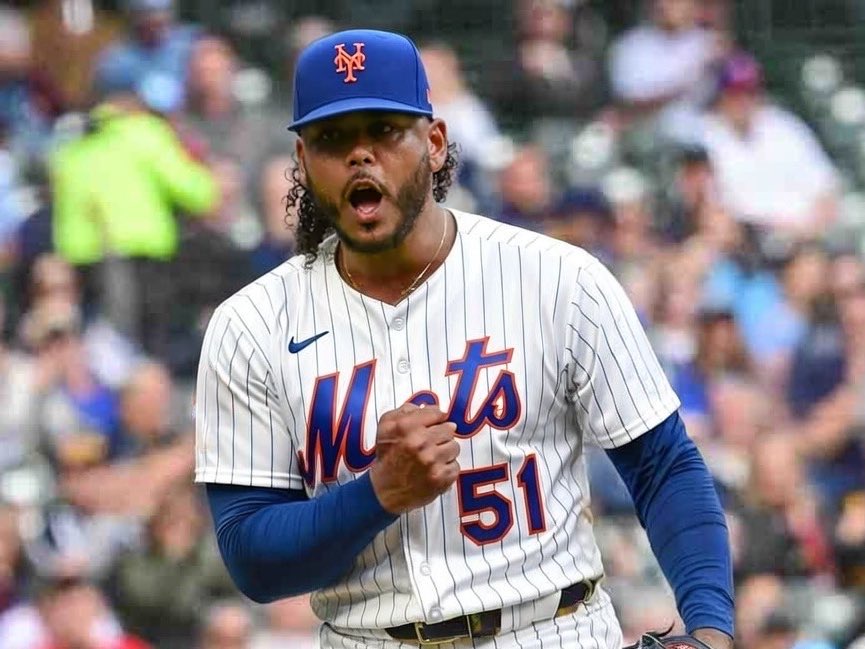
Former Mets general manager Jim Duquette, who now serves as an analyst for SNY, recently outlined a scenario in which New York holds onto Peralta through the trade deadline instead of moving him for what could be a disappointing return. Although Duquette acknowledged it may not be the ideal strategy, his comments have sparked debate over whether keeping Peralta would ultimately hurt the franchise more than help it.
Duquette Suggests Holding Peralta If Trade Offers Disappoint
Duquette argued that if the Mets fail to receive an acceptable trade package for Peralta, they may be better off keeping him through the remainder of the season rather than selling low.
His idea centers around extending Peralta a qualifying offer after the season. If the veteran pitcher declined the offer and signed elsewhere in free agency, the Mets would receive a compensatory draft pick after the fourth round.
However, that strategy comes with significant risk.
The qualifying offer is expected to exceed $23 million on a one-year contract, and Peralta could very well accept it if his market isn’t as strong as expected. That would leave the Mets committing another season to a pitcher whose recent performance has already caused his trade value to decline.
Why Keeping Peralta Could Create Bigger Problems
For many observers, the larger concern isn’t simply the financial commitment—it’s what retaining Peralta would mean for the team’s long-term roster construction.
The Mets’ rotation is expected to become increasingly crowded heading into 2027. Emerging young arms like Zac Thornton, Christian Scott, and Nolan McLean are pushing for permanent spots in the major league rotation, while veterans such as Sean Manaea and Clay Holmes also remain part of the picture.
Adding another season of Peralta to that mix could block opportunities for younger pitchers and limit the club’s roster flexibility at a time when it should be evaluating its next wave of talent.
Rather than delaying difficult decisions, many believe the Mets should use the trade deadline to clear space for the future.
Even a Modest Trade Return Could Be Worth It
Peralta’s recent struggles have undoubtedly reduced his market value, making it unlikely the Mets receive a blockbuster package in return.
Still, that doesn’t mean a trade lacks value.
Organizations with strong scouting and player development departments often target overlooked prospects or underperforming minor leaguers who can flourish with a change of scenery. Instead of demanding elite prospects, New York could identify players in Double-A, Triple-A, or even the lower levels of the minor leagues who possess untapped potential.
History has repeatedly shown that seemingly insignificant trade returns can develop into impact major leaguers.
Baseball History Is Filled With Unexpected Success Stories
Major League Baseball offers countless examples of players who were viewed as secondary pieces at the time of a trade but later blossomed into stars.
The Cincinnati Reds, for example, acquired highly regarded prospect Hector Rodriguez in exchange for veteran outfielder Tyler Naquin, a move that has paid significant dividends as Rodriguez climbed through the minor leagues.
Perhaps the most famous example remains Fernando Tatis Jr., who was included in a trade package for veteran pitcher James Shields before emerging as one of baseball’s biggest stars.
Those examples reinforce the idea that prospect value isn’t always immediately obvious. A smart scouting department can turn a seemingly modest trade package into a major organizational win.
Mets Must Think Beyond This Season
While there’s every reason to believe Peralta could bounce back and perform better in 2027, the Mets cannot allow hope for a rebound to dictate their deadline strategy.
The front office must balance the possibility of improved future performance against the opportunity to reshape the roster now. Even if the return isn’t overwhelming, moving Peralta could free payroll, create rotation opportunities for younger pitchers, and bring in prospects who may contribute for years to come.
With the trade deadline rapidly approaching, the Mets face an important decision. But if their goal is building a sustainable contender rather than delaying difficult choices, accepting a modest return for Peralta may prove far wiser than gambling on another season and risking further complications down the road.
Leave a Reply