
The Philadelphia Phillies are facing questions over the installation of artificial turf at Richie Ashburn Field in FDR Park after state environmental records showed that the required Pennsylvania Department of Environmental Protection permit had not been finalized when the project was completed.
The renovated field, located in South Philadelphia, was unveiled in July as part of Major League Baseball’s 2026 All-Star Game legacy projects. The improvements were intended to create a more reliable playing surface for youth baseball programs and reduce cancellations caused by wet weather.
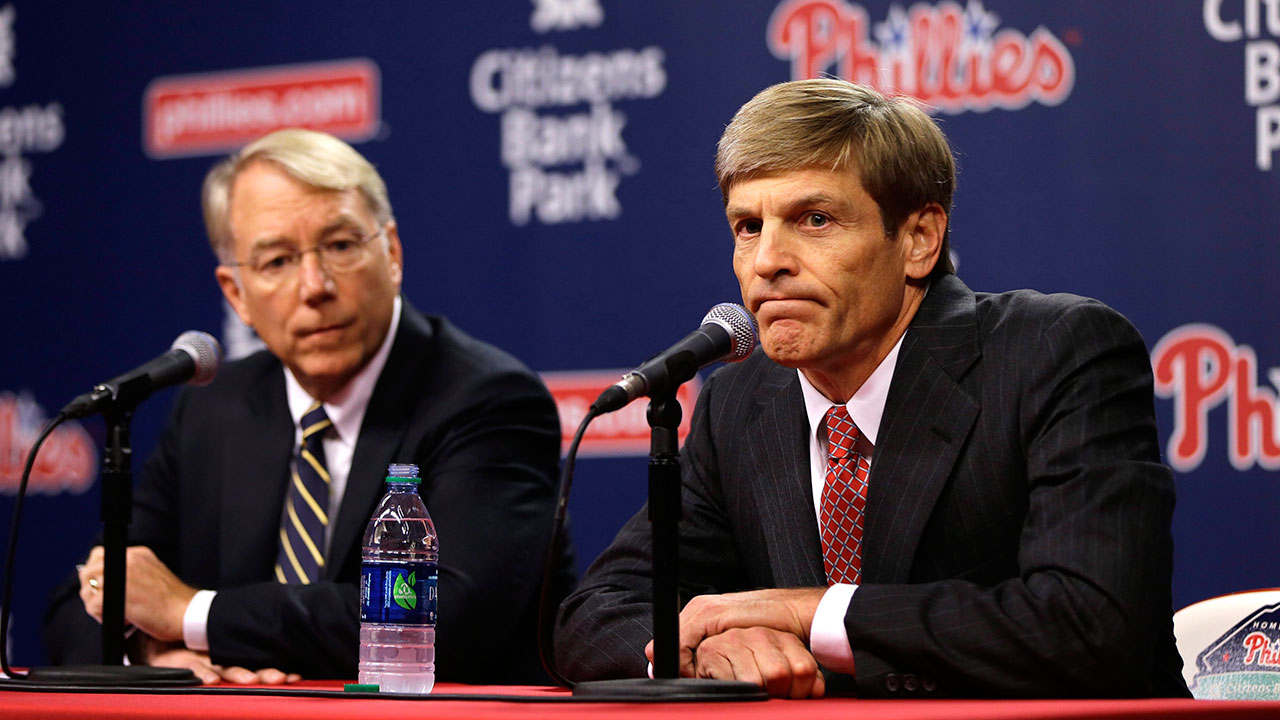
However, Pennsylvania DEP records indicate that the Phillies moved forward with the project while their stormwater and erosion-control permit application was still under review.
The issue centers on Pennsylvania requirements for construction projects that disturb more than one acre of land. Such projects generally require approval addressing stormwater discharges, erosion control and how the construction work could affect drainage on the property.
Ashburn Field covers roughly five acres, while the renovated playing area itself encompasses about 135,000 square feet. The project involved removing the existing grass and dirt surface and replacing it with a high-performance synthetic turf system along with upgraded drainage.
Permit application remained incomplete
The Phillies submitted their permit application to the DEP on May 13. According to state records, the agency subsequently identified numerous deficiencies that needed to be addressed before the application could move forward.
On May 27, DEP officials sent the organization a letter identifying 32 issues requiring additional information or corrections. Among the concerns were missing final plan drawings, incomplete project-boundary information and drainage details that did not identify all of the relevant discharge areas.
An engineering company working on behalf of the Phillies responded to the issues in June, but the state continued to identify problems with the submission.
On July 7, DEP notified the Phillies of additional technical deficiencies. Another letter followed on July 24, roughly two weeks after the field had already been unveiled, indicating that at least one issue remained unresolved and that additional information needed to be coordinated with the Philadelphia Water Department.
The permit remained pending, with the state describing the review as paused while it waited for the necessary information.
Phillies say work was coordinated with officials
The Phillies have maintained that the renovation was carried out in coordination with the city and relevant government agencies.
The organization said the city allowed the work to proceed while the necessary permit applications were being processed because the upgraded facility was expected to be used during All-Star Week.
The team also indicated that it expected to secure the remaining approvals shortly.
The Pennsylvania DEP, however, has not determined publicly whether the situation will result in enforcement action or a financial penalty. A DEP spokesperson said the agency was reviewing both the permit application and the compliance situation at the site.
Because the review remains ongoing, state officials have declined to say whether the Phillies could face consequences.
Why the turf project matters
The Ashburn Field renovation was presented as a significant investment in Philadelphia’s youth baseball infrastructure.
Major League Baseball and the Phillies were among the organizations behind the improvement, which was connected to the 2026 All-Star Game legacy initiative. The upgraded field is expected to serve approximately 8,000 young athletes participating in programs such as the Phillies’ Reviving Baseball in Inner Cities initiative and Youth Academy.
The field was designed to provide a weather-resistant playing surface because rain frequently makes the existing natural surface unavailable.
According to MLB, more than 30% of scheduled activities at the field had previously been lost because of weather. Converting the surface to synthetic turf was intended to allow more games, practices and youth events to take place throughout the year.
The field originally dates back to the late 1990s and was built using money generated from Philadelphia’s 1996 All-Star Game. It is owned by the city and managed and maintained by the Phillies.
Turf debate already controversial at FDR Park
The controversy surrounding Ashburn Field comes against the backdrop of a much larger debate over artificial turf and development at FDR Park.
Philadelphia has been pursuing a broader redevelopment plan for the park that has included proposals for multiple artificial turf athletic fields. City officials have argued that sections of FDR Park frequently become unusable because of flooding and heavy rainfall, and that synthetic surfaces could provide more dependable recreational space.
Opponents have challenged portions of the broader redevelopment, particularly proposals affecting natural areas that became popular during the pandemic.
The area known as the Meadows has attracted bird-watchers, dog owners, hikers and other park users, leading to organized opposition to plans for significant changes to the park.
That history has made the Ashburn Field situation particularly sensitive.
The Coalition to Save the Meadows, a group opposed to aspects of the FDR Park redevelopment, questioned why the Phillies were able to complete the Ashburn Field work while the state permit remained unresolved. The group has argued that environmental permitting requirements exist to protect waterways, wildlife and surrounding communities.
Phillies now await final approval
Despite the controversy, the renovated Ashburn Field is already in use and has been presented as one of the major baseball-related community investments surrounding the 2026 All-Star Game.
The Phillies now face the task of resolving the outstanding permitting issues with state officials.
The immediate question is not whether the field will remain artificial, but whether the organization can provide the remaining documentation and satisfy the DEP’s requirements so the permit process can be completed.
The state has not announced a penalty or enforcement action, and no final determination has been made regarding whether the Phillies violated the applicable requirements. The permit review remains ongoing.
For the Phillies, the situation represents an awkward complication surrounding what was otherwise intended to be a positive community project. The organization and MLB promoted the upgraded field as a long-term investment in Philadelphia’s young baseball players, but the unresolved environmental permit has now placed the project under regulatory scrutiny.
Until the DEP completes its review, questions will remain about how the work was allowed to proceed before final state approval and whether the Phillies will face any consequences for doing so.
Leave a Reply