Hunter Dobbins will have to wait much longer for his next opportunity to prove himself after suffering a serious elbow injury that could keep him off the mound for roughly a year.
The former Boston Red Sox right-hander underwent elbow surgery this week after experiencing forearm tightness during his Aug. 21 start for the St. Louis Cardinals. The injury involves a ligament in the same elbow that previously required Tommy John surgery in 2021 while Dobbins was pitching at Texas Tech.
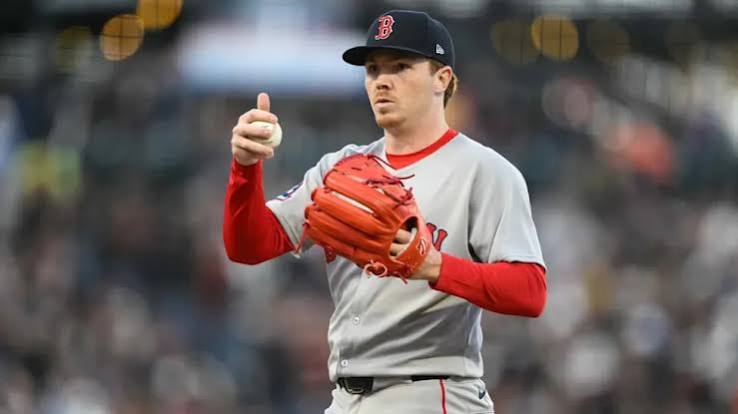
The latest procedure is expected to sideline the 27-year-old pitcher for approximately 12 months, according to Reuters. That timeline creates significant uncertainty surrounding his availability for the 2027 season, with the possibility that his recovery could stretch even further if he encounters setbacks during rehabilitation.
For Dobbins, the timing is particularly frustrating. He was beginning to establish himself as a legitimate Major League starter and was hoping to turn his promising 2026 campaign into a permanent role in the Cardinals’ rotation.
Dobbins’ Cardinals Opportunity Comes to a Sudden Halt
Dobbins began his Major League career with the Red Sox, making 13 appearances and 11 starts. He finished his time in Boston with a 4-1 record and a 4.13 ERA, showing enough promise for the organization to view him as an intriguing young pitching asset.
Boston eventually included Dobbins in the offseason trade that brought veteran catcher Willson Contreras to the Red Sox.
The move gave Boston an established offensive presence while sending St. Louis a younger pitcher with the potential to become a long-term member of its rotation.
Dobbins appeared to be making progress toward fulfilling that potential in St. Louis.
Before his injury, he had posted a 3-3 record and a 3.67 ERA in 11 appearances, including eight starts. Those numbers suggested that he was becoming increasingly comfortable in the Cardinals’ pitching staff and had positioned himself as a candidate for a larger role heading into 2027.
That opportunity has now been put on hold.
A Second Major Elbow Surgery
The most concerning aspect of Dobbins’ injury is that it affects the same elbow that previously underwent Tommy John surgery.
He had Tommy John surgery in 2021 during his time at Texas Tech, making this latest ligament problem another major challenge in his pitching career.
For any pitcher, recovering from elbow surgery is a demanding process. For someone who has already undergone a previous reconstruction on the same elbow, the road back can be even more complicated.
Dobbins is now facing months of rehabilitation, strength work and a gradual throwing program before he can seriously think about returning to competitive baseball.
Even if the initial estimate of roughly one year proves accurate, he could potentially miss a significant portion of the 2027 season.
What This Means for the Cardinals
The injury represents a major blow to St. Louis’ plans for its pitching staff.
Dobbins was not simply a young pitcher occupying a roster spot. His performance during the 2026 season had given the Cardinals reason to believe he could develop into a dependable rotation option.
His 3.67 ERA over 11 appearances showed improvement from his time in Boston and provided encouragement that he could become a useful part of the organization’s future.
Now, St. Louis will have to wait.
The Cardinals must determine how to address the rotation while Dobbins works through his rehabilitation. The organization could look toward its minor-league system, free agency or trades to find additional pitching depth.
Most importantly, however, the Cardinals will have to avoid rushing Dobbins back simply because of their need for pitching.
The Trade With Boston Now Has a Different Context
Dobbins’ injury also changes the short-term perception of the trade that sent him to St. Louis.
Boston acquired Contreras with the expectation that his bat could provide an immediate boost to the lineup. That investment appeared to pay off before an injury interrupted his season.
Contreras had hit 26 home runs and posted a .900 OPS, giving the Red Sox the kind of established middle-of-the-order production they hoped to receive when they made the deal.
Dobbins, meanwhile, represented the other side of the equation.
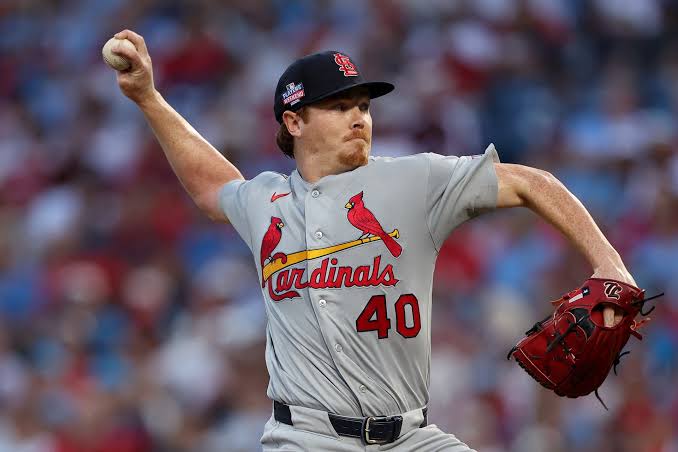
Rather than immediate offensive production, St. Louis was betting on the long-term potential of a young, controllable pitcher who could eventually develop into a reliable starter.
That plan had begun to look promising before the elbow injury changed everything.
The Injury Doesn’t Decide Who Won the Trade
Despite the severity of Dobbins’ injury, it would be premature to declare Boston the winner of the trade solely because the pitcher is facing a lengthy absence.
Dobbins is still only 27 years old, meaning he has plenty of time to recover and potentially rebuild himself into a productive Major League pitcher.
Pitchers have returned successfully from significant elbow injuries before, although every recovery is different.
The ultimate evaluation of this trade will also depend on how Contreras performs for Boston over the remainder of his contract and what Dobbins accomplishes once he eventually returns to the mound.
In other words, the trade still has years left to determine its final outcome.
Boston’s Side of the Deal
From Boston’s perspective, Contreras’ production has provided an encouraging early return on the investment.
His 26 home runs and .900 OPS demonstrate why the Red Sox were willing to part with a young pitching prospect. A proven middle-of-the-order hitter can provide an immediate impact, particularly for a team trying to compete.
However, Contreras’ own injury means Boston has not received an entirely uninterrupted season from its acquisition.
His left hamstring injury sent him to the injured list, creating its own concern for the Red Sox as they navigate the final stretch of the season.
Still, the offensive production he provided before the injury gives Boston something tangible to point to when assessing the trade.
Dobbins’ Focus Now Turns to Rehabilitation
For Dobbins, the trade itself and the debate surrounding which team benefited most are secondary concerns.
His immediate priority is simply getting healthy.
The former Red Sox pitcher had finally begun to establish himself in the Major Leagues when his elbow forced him to take another step backward.
The rehabilitation process will likely involve several stages, including allowing the surgically repaired ligament to heal, rebuilding strength, progressing through a throwing program and eventually facing hitters in controlled environments before a potential return to Major League competition.
Any setbacks could push his comeback timetable beyond the initial one-year projection.
A Difficult Road Ahead
Dobbins’ latest injury is particularly unfortunate because of how much progress he appeared to be making.
After posting a 4.13 ERA in Boston, he lowered that mark to 3.67 with the Cardinals while taking on a more significant role. His eight starts indicated that St. Louis was increasingly willing to trust him with meaningful innings.
Had he remained healthy, the 2027 season could have been an important opportunity for Dobbins to establish himself as a regular member of the Cardinals’ rotation.
Instead, he will spend much of the next year working toward a return.
For St. Louis, the challenge is finding a way to replace his innings while maintaining its long-term plans. For Boston, the trade remains a fascinating storyline because Contreras has delivered significant offensive production while Dobbins’ development has been interrupted by another serious elbow injury.
Bottom Line
Hunter Dobbins’ latest elbow injury has dramatically altered the short-term outlook of the trade between the Red Sox and Cardinals.
The 27-year-old right-hander underwent surgery after experiencing forearm tightness and is expected to miss approximately a year. Because the procedure involved a ligament in the same elbow that previously required Tommy John surgery, his recovery will be closely monitored.
Before the injury, Dobbins had gone **3-3 with a 3.67 ERA in 11 appearances, including eight starts**, giving St. Louis hope that he could become an important part of its 2027 rotation.
Now, that development has been put on pause.
The injury does not determine the long-term winner of the Boston-St. Louis trade, but it unquestionably makes the Cardinals’ side of the deal more complicated in the immediate future.
Dobbins still has time to return and potentially become the pitcher St. Louis envi
sioned when it acquired him. But for now, his promising rise has been replaced by a long and difficult rehabilitation process.
Leave a Reply