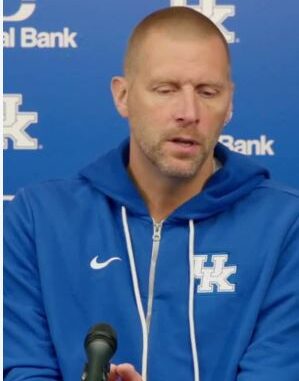
The Mark Mitchell eligibility saga has taken another dramatic turn, with the former Missouri standout ultimately backing away from his Kentucky commitment and returning to Missouri after the SEC made it clear that its intraconference transfer rules could create a major obstacle. Mitchell had initially received a temporary restraining order from a Kentucky judge that restored his eligibility for a fifth college season and allowed him to enter the transfer portal. He later committed to Kentucky, but that move unraveled as the legal battle intensified.
Mitchell’s case became one of the most closely watched eligibility disputes in college basketball because it sits at the intersection of the NCAA’s changing eligibility rules, the transfer portal and the growing number of athletes seeking an additional season. Mitchell had already completed four college seasons and had played professionally in the NBA Summer League after going undrafted in the 2026 NBA Draft. His legal team argued that he should receive another year of collegiate eligibility, while the NCAA and conferences pushed back against the broader implications of allowing athletes with professional ties to return to college.
The initial Kentucky court ruling was a major breakthrough for Mitchell and the other athletes involved. On Aug. 21, Judge Brian Edwards granted a temporary restraining order that allowed Mitchell to pursue another college season and enter the transfer portal. Mitchell subsequently became one of the highest-profile names available, and Kentucky quickly emerged as his destination. He had averaged 18.3 points, 5.2 rebounds and 3.6 assists per game for Missouri in 2025-26, earning second-team All-SEC recognition and making him an enormous potential addition for the Wildcats.
But the situation became complicated because Kentucky and Missouri are both SEC members. The SEC’s rules governing intraconference transfers created a major problem for Mitchell’s proposed move. Rather than fight an increasingly complicated battle over whether he could move from Missouri to Kentucky, Mitchell ultimately chose to return to Missouri. Reuters reported on Aug. 31 that he had decided to stay with the Tigers after previously committing to Kentucky.
That decision does not necessarily mean the wider legal fight surrounding Mitchell and other athletes has disappeared. His attorneys have continued challenging NCAA and SEC policies, and a later amended lawsuit reportedly asked a judge to hold the NCAA in contempt over the SEC’s attempt to enforce a new policy that could affect athletes in similar situations. The legal argument centers on whether conference rules and penalties can effectively block athletes from exercising rights that courts have temporarily recognized.
For LSU, Mitchell’s case matters because it is connected to the same larger eligibility crisis affecting several Tigers. Former UCLA standout Skyy Clark, who was part of the Kentucky legal action alongside Mitchell, ultimately committed to LSU. LSU has also been dealing with the separate but related dispute involving former professional players attempting to return to college football, making the Tigers one of the schools most directly affected by the NCAA’s changing eligibility landscape.
The bigger LSU story, however, has now moved beyond Mitchell himself. The university has become the center of a much larger confrontation with the SEC after coach Lane Kiffin attempted to bring former NFL players Dae’Quan Wright and Zxavian Harris back to college. A Louisiana judge issued a preliminary injunction allowing those players and other athletes to pursue college eligibility despite their professional contracts. The SEC subsequently challenged LSU and sought authority to expel the university from the conference.
That means Mitchell’s case could ultimately be remembered as one piece of a much larger battle over who controls college athletics. The NCAA is attempting to maintain eligibility and roster rules, while athletes and their attorneys are increasingly turning to courts to challenge restrictions. The SEC, meanwhile, is trying to preserve conference-level rules and prevent schools from gaining what it considers an unfair competitive advantage by bringing former professionals back into college sports.
For LSU fans, the most important takeaway is that the Mitchell situation itself has effectively moved away from Kentucky and back toward Missouri, but the legal fight it represents is far from settled. LSU’s connection to the dispute through Clark and its own separate eligibility battles means the Tigers remain deeply involved in the rapidly changing college-sports landscape.
Leave a Reply