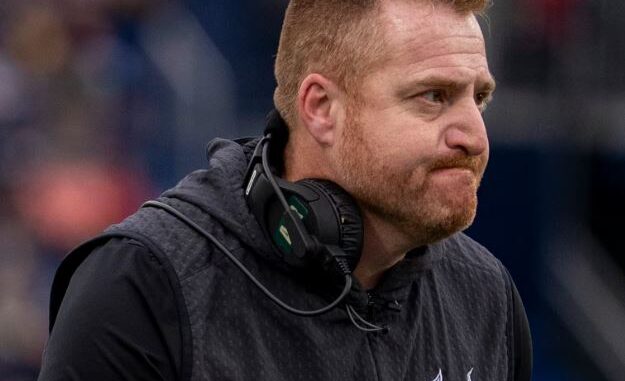
Auburn opened the 2026 football season with a test that could have exposed any weaknesses on the defensive side of the ball. Instead, the Tigers responded with the kind of composure and conditioning that could become a defining characteristic of Alex Golesh’s first season in charge.
Baylor entered the matchup with a new quarterback and an aggressive, high-tempo offensive approach designed to put constant pressure on the opposing defense. The Bears pushed the pace throughout the contest and ran nearly 100 offensive plays, creating exactly the kind of workload that can wear down a defense as the game progresses. Yet Auburn’s defenders never appeared overwhelmed, and when the game came down to its most important moment, the Tigers still had enough energy and discipline to make the decisive play.
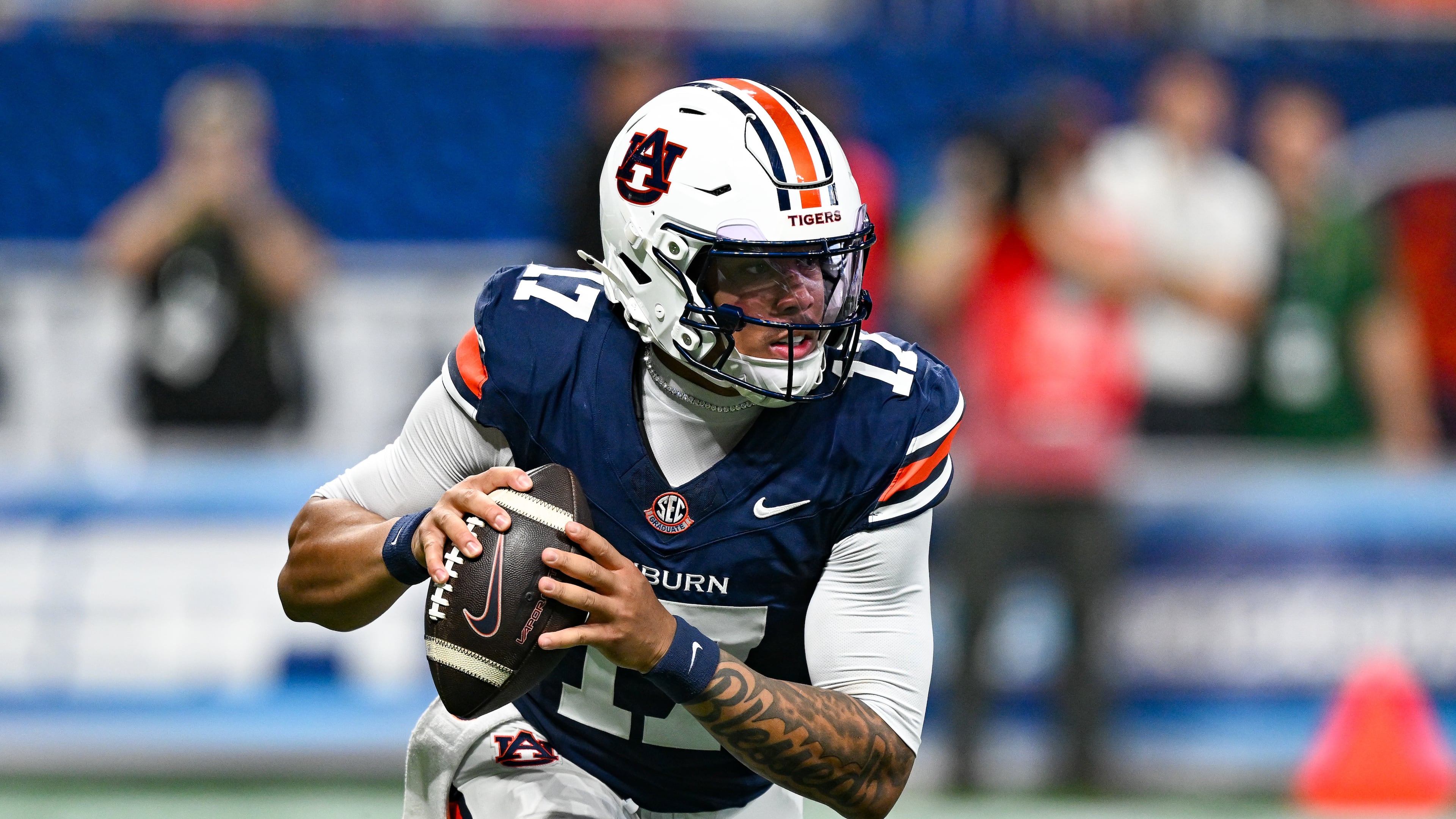
That final sequence provided perhaps the clearest evidence that Auburn’s preparation had paid off. With Baylor needing a successful two-point conversion to steal the victory, Eric Winters made a crucial goal-line tackle that kept the Bears out of the end zone and preserved Auburn’s win. It was the type of play that requires not only physical ability but also concentration, communication and enough stamina to execute under enormous pressure late in a game.
For Auburn defensive lineman Dallas Walker IV, the reason the Tigers were able to handle Baylor’s tempo was not complicated. Auburn’s defense had essentially been preparing for that exact challenge every day during the offseason.
Auburn Had Already Seen the Tempo
Golesh and offensive coordinator Joel Gordon have made tempo a major component of Auburn’s offensive identity. That philosophy has had an unintended benefit for the defense because the Tigers’ defenders have spent months practicing against an offense that operates at a relentless pace.
Rather than encountering Baylor’s speed for the first time in Week 1, Auburn’s defenders had been exposed to similar demands throughout spring practices, summer preparation and fall camp.
Walker explained that repeatedly facing Auburn’s own fast-paced offense forced the defense to develop the habits necessary to survive against teams that want to snap the ball quickly. That meant learning to get lined up immediately, finding the correct assignments and keeping their eyes in the right places before the next play began.
In other words, Auburn’s offense was effectively helping condition the defense for one of the biggest challenges it would face in the season opener.
“We go against them every day when it comes to tempo,” Walker said, explaining that those daily repetitions helped the defense become comfortable getting lined up quickly and maintaining proper eye discipline.
That preparation became especially valuable against Baylor because the Bears were determined to keep Auburn from substituting and to force the Tigers into making mistakes through sheer volume of plays.
Instead, Auburn looked prepared.
Pleasant: Baylor’s Pace Was Easier Than Practice
Cornerback Rayshawn Pleasant offered perhaps the strongest indication of just how valuable Auburn’s internal preparation had been.
Pleasant noted that the defense had been dealing with high tempo since the spring. Because Auburn’s offense had repeatedly challenged the defense during practice, Baylor’s pace did not feel nearly as difficult once the Tigers reached game day.
The difference was significant.
Rather than being shocked by the Bears’ speed, Auburn’s defenders had already developed an instinctive response. They knew they had to communicate quickly, locate their assignments, get into position and prepare for the next snap without wasting valuable seconds.
Pleasant essentially described Baylor’s tempo as easier than what Auburn’s defense had already experienced in practice.
That is a significant development for a team entering a new era under Golesh. Auburn is attempting to establish an identity built around physicality, speed and relentless execution, and the season opener provided an early indication that the team’s offensive philosophy could benefit the defense as well.
The Numbers Show Auburn Was Tested
Baylor was not exactly shut down. The Bears accumulated 436 total yards, demonstrating that the Tigers still have areas that need to be cleaned up as the season continues.
But the defensive performance was encouraging in one particularly important area: Auburn made it difficult for Baylor to establish a consistent rushing attack.
The Bears averaged only 2.3 yards per carry, a figure that suggests Auburn’s front seven was generally successful at preventing explosive runs and forcing Baylor to find other ways to move the football.
That matters even more against an offense built around tempo. When an offense is snapping the ball rapidly and creating a large number of possessions, a defense can quickly unravel if it repeatedly allows chunk plays. Auburn managed to limit the damage on the ground and remained competitive deep into the game.
Walker acknowledged that the defense was not flawless. There were positive plays, but there were also mistakes that could become costly against stronger opponents.
What impressed him most was the effort level.
He explained that Auburn’s defenders continued playing hard throughout the game and that their effort helped compensate for some of the smaller technical mistakes they made.
That distinction could become important as the schedule gets more difficult. Against elite SEC opponents, Auburn will not always be able to rely on effort alone. Missed assignments, poor angles and communication breakdowns will eventually be punished.
The encouraging part is that the Tigers already appear to have the conditioning and competitive mentality necessary to keep fighting when things go wrong.
Eric Winters’ Final Stand May Be the Biggest Takeaway
The final Baylor possession offered a perfect snapshot of Auburn’s defensive resilience.
After spending the game defending a fast-paced offense and dealing with a heavy workload, the Tigers were still required to execute in a situation where one mistake would have cost them the game.
Baylor had the opportunity to win with a successful two-point conversion. Auburn needed one final stop.
Winters delivered it.
The goal-line tackle prevented Baylor from reaching the end zone and allowed Auburn to escape with the victory. The play was not simply about making a tackle; it demonstrated that Auburn’s defense retained enough focus and physical energy to execute when the pressure was at its highest.
For a team beginning a new era, that can be an extremely valuable early lesson.
Auburn will undoubtedly have to improve. Giving up 436 yards is not the type of defensive performance the Tigers will want to repeat against the best teams on their schedule. But surviving a nearly 100-play offensive attack and still making the defining defensive play at the goal line provides plenty of reason for optimism.
Auburn’s Next Test Comes at Jordan-Hare
The Tigers now turn their attention to their home opener against Southern Miss at Jordan-Hare Stadium.
The matchup will provide Auburn with an opportunity to build on the lessons from Baylor without facing quite the same type of opening-week pressure. More importantly, it will give Golesh and his staff another chance to evaluate whether the defensive improvements seen in Week 1 can become a consistent trend.
The biggest takeaway from the Baylor game may ultimately have little to do with the number of plays the Bears ran.
Instead, it may be about preparation.
Auburn’s defense had spent months practicing against its own high-tempo offense, and when Baylor attempted to use speed and volume to create problems, the Tigers were ready. The constant exposure helped defenders understand how quickly they needed to communicate, where their eyes needed to be and how to maintain their assignments without allowing fatigue to dictate their performance.
That could become one of Auburn’s quiet advantages throughout the season.
If Golesh’s offense continues operating at a high tempo in practice and games, Auburn’s defense will continue receiving a unique form of conditioning. And if the Tigers can combine that preparation with better tackling, fewer assignment errors and the same relentless effort shown against Baylor, the defensive unit could become much more difficult to handle as the season progresses.
For now, Auburn has already demonstrated something important: Baylor’s speed was supposed to create stress, but the Tigers had been preparing for it long before the opening kickoff.
And when the game was finally on the line, Auburn’s defense still had enough left to make the play that mattered most.
Leave a Reply