
The proposed shift to an age-based NCAA eligibility model could dramatically reshape the future of Kansas State football, particularly at the quarterback position. If the new framework survives ongoing legal challenges and is permanently adopted, it could provide Wildcats star Avery Johnson with an additional season of eligibility, giving both the quarterback and new head coach Collin Klein a valuable opportunity to build long-term success.
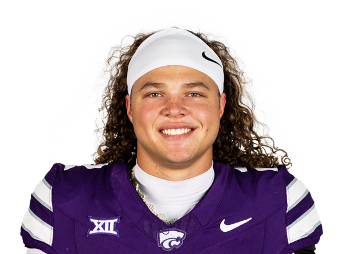
The age-based eligibility proposal is designed to simplify the current system, which has become increasingly complicated by waivers, redshirts, and repeated legal disputes. Under the new model, athletes who enroll in college before turning 19 would receive five full seasons of competition, eliminating the traditional “five years to play four” structure. The proposal would also phase out redshirt rules in football and basketball while preventing much older athletes from competing against traditional college-aged freshmen.
Supporters believe the revised system offers a more transparent and consistent approach to eligibility while reducing the number of exceptions and court cases that have frustrated schools, conferences, and fans in recent years.
For Kansas State, few players stand to benefit more than Avery Johnson.
Johnson began his collegiate career as a true freshman, making him one of the biggest beneficiaries of the proposed rule changes. Under the previous eligibility system, the 2026 season would likely have positioned him for a decision between returning to school or entering the NFL Draft. The age-based model, however, opens the door for a much different future.
Rather than being forced into a draft decision after the 2026 campaign, Johnson could have multiple paths available. If he delivers an outstanding season and elevates himself into first-round NFL Draft projections, leaving for the professional ranks would remain the obvious choice. First-round selections rarely pass on that opportunity regardless of the growing influence of Name, Image, and Likeness (NIL) earnings.
However, if Johnson falls outside the opening round—a scenario many analysts currently consider more realistic—his options become significantly broader.
Instead of facing a simple stay-or-go decision, he could:
- Declare for the 2027 NFL Draft and begin his professional career.
- Return to Kansas State for a fifth collegiate season under the new eligibility rules.
- Take advantage of both the transfer portal and NIL opportunities by returning to college football while potentially exploring his market value as one of the nation’s most experienced quarterbacks.
Having several legitimate options would place Johnson in a much stronger position than many quarterbacks have enjoyed under previous NCAA rules.
The proposed eligibility changes could also have enormous benefits for Kansas State’s coaching staff.
Collin Klein, who recently took over as the Wildcats’ head coach, could gain an extra season to implement his offensive philosophy with a veteran quarterback already familiar with his system. Offensive coordinator Sean Gleason would likewise have additional time to develop continuity, install new concepts, and maximize the offense around an experienced signal-caller.
Most first-year head coaches inherit uncertainty at quarterback, but Klein could instead enjoy back-to-back seasons with one of the most accomplished passers in school history. Johnson has already demonstrated the talent to become one of the program’s record-setting quarterbacks, and another year could further elevate both his individual legacy and Kansas State’s championship aspirations.
Still, the added flexibility does not come without consequences.
A longer stay for Johnson would inevitably delay opportunities for younger quarterbacks waiting in the wings. Backup quarterbacks Blake Barnett and Dillon Duff entered the program expecting that Johnson might depart for the NFL after three seasons, creating an opening to compete for the starting job. If Johnson remains through 2027, those players could find themselves waiting until 2028 for a realistic opportunity, potentially increasing the likelihood of transfers in the era of unrestricted player movement.
The ripple effects could even extend to future recruiting classes.
Current quarterback commitments, including Cam Kruse, may not be heavily affected, but prospects in later recruiting cycles could reconsider their timelines if Johnson occupies the starting role longer than originally expected. One name to watch is highly regarded four-star quarterback Titus Huard, a priority target for Kansas State’s 2028 recruiting class. Although predicting recruiting outcomes remains difficult, roster stability at quarterback often plays a significant role in those decisions.
Even so, most programs would gladly accept the challenge of managing an abundance of quarterback talent. With the transfer portal providing coaches more flexibility than ever to reshape their rosters, depth at the game’s most important position is generally viewed as an advantage rather than a problem.
If the NCAA officially adopts the age-based eligibility system, Kansas State could emerge as one of its biggest beneficiaries. The possibility of retaining Avery Johnson for an additional season would not only strengthen the Wildcats’ immediate outlook but also give Collin Klein valuable continuity as he begins his tenure leading the program. Whether Johnson ultimately returns or pursues the NFL, the new rules have already introduced an intriguing storyline that could shape Kansas State football well beyond the 2026 season.
Leave a Reply