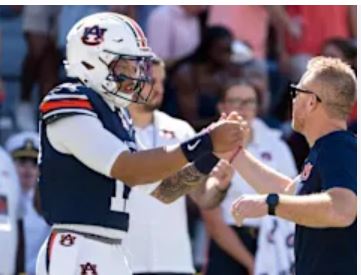
Charles Barkley has delivered a direct message to Auburn fans, urging them to appreciate the coaches leading the Tigers’ football and basketball programs instead of constantly measuring their success against archrival Alabama. The former NBA star and outspoken Auburn supporter believes the university has plenty to build on, but says the persistent focus on what happens in Tuscaloosa can prevent fans from recognizing the progress being made in Auburn.

Speaking during a recent appearance on The Next Round, Barkley discussed Auburn’s coaching situation while comparing the university’s leadership with other prominent Southeastern Conference programs. The conversation included Alabama football coach Kalen DeBoer and basketball coach Nate Oats, as well as Florida football coach Jon Sumrall and basketball coach Todd Golden. Barkley used the discussion to make his position clear: he remains confident in Auburn’s coaches and believes they deserve time to establish their programs.
“I’m happy with Alex (Golesh),” Barkley said, making it clear that he supports Auburn’s new football coach. He also criticized what he considers a recurring weakness among portions of the Tigers’ fan base: spending too much time worrying about Alabama rather than concentrating on Auburn’s own progress.
“I’m not one of them loser Auburn fans who worry about what other people are doing,” Barkley said.
His comments reflect a familiar tension in the Iron Bowl rivalry. Alabama’s sustained success has helped establish a demanding standard for football in the state, but Barkley believes that comparison can become counterproductive when it overshadows Auburn’s own achievements and long-term goals.
Barkley backs Alex Golesh and calls for patience
Barkley’s support for Golesh comes as Auburn works to build momentum under its new football leadership. Taking over a program with considerable expectations, Golesh faces the challenge of developing a competitive roster, establishing his preferred playing style and convincing supporters that the Tigers can consistently compete in the SEC.
For Barkley, those objectives require time and patience rather than immediate judgments based on how Auburn compares with Alabama. He said people he knows in college football and at ESPN have expressed positive views about Golesh, reinforcing his confidence in the coach’s potential.
“I love our coach,” Barkley said, adding that people familiar with the program believe Auburn has found a winner. He acknowledged that the football team needs to improve but maintained that the coaching staff deserves an opportunity to make the necessary changes.
The former NBA MVP’s message is particularly relevant at Auburn, where the expectations surrounding football can make every setback feel significant. The Tigers compete in one of college football’s most demanding conferences, and supporters naturally want to see results against major SEC opponents. However, Barkley’s argument is that judging the program solely against Alabama risks overlooking the work required to build a successful team.
Rather than allowing the Crimson Tide to define Auburn’s progress, he wants fans to focus on the Tigers’ own development, including recruiting, player improvement, consistency and the ability to compete in important conference games.
Auburn basketball provides another reason for optimism
Barkley also pointed to Auburn’s basketball achievements as evidence that the university has reasons to appreciate its athletic programs. He specifically referenced the Tigers’ recent Final Four appearances and their National Invitation Tournament success, arguing that the school has enjoyed meaningful accomplishments beyond the football field.
Auburn basketball reached the NCAA Final Four in 2019 and 2025, demonstrating that the program can compete on college basketball’s biggest stage. Barkley believes those achievements should form part of the broader conversation about Auburn athletics rather than allowing the football rivalry with Alabama to dominate every discussion.
He also praised the work of Bruce Pearl, the longtime coach who helped elevate Auburn basketball, and expressed support for Steve Pearl. His remarks suggested that Auburn should recognize the foundation established by its basketball program while continuing to support the people responsible for its future.
Barkley’s comments were not an argument that Auburn football no longer needs to improve. He explicitly acknowledged that the Tigers must become better on the gridiron. Instead, he urged supporters to distinguish between demanding progress and allowing a rival’s performance to determine how they feel about their own university.
That distinction is central to his message. Auburn can aspire to compete for championships while still recognizing the progress made by its coaches and athletic programs. In Barkley’s view, those goals do not have to conflict.
Why the Alabama comparison remains difficult to escape
The rivalry between Auburn and Alabama extends beyond the annual Iron Bowl. It influences recruiting discussions, coaching debates, fan expectations and the way success is measured across the state. Alabama’s achievements over the past two decades have helped shape the standards against which Auburn football is frequently judged.
Barkley believes that dynamic can create unnecessary frustration. When fans constantly compare Auburn with Alabama, they risk overlooking the different circumstances, timelines and challenges involved in building a program.
His message is not that Auburn should stop caring about the rivalry. Rather, he wants the Tigers’ supporters to place greater emphasis on what Auburn can control. That includes giving coaches an opportunity to recruit their preferred players, develop young talent, build a team identity and improve results over time.
The challenge for Golesh will be turning that patience into tangible progress. Public support can give a coaching staff room to work, but wins and competitive performances will ultimately influence how fans judge the direction of the football program.
Barkley’s backing therefore comes with an important acknowledgment: Auburn still has work to do. His confidence in Golesh does not mean that the Tigers have already reached their goals; it means he believes the coach deserves time to pursue them.
Barkley believes Auburn will be fine
Despite the pressure surrounding Auburn football, Barkley remains optimistic about the university’s athletic future. He praised the coaching leadership across the football and basketball programs and argued that supporters should recognize the strengths Auburn already possesses.
He also spoke positively about Florida coach Jon Sumrall, underscoring his broader appreciation for the coaching talent in the SEC. His comments were less about declaring one program superior to another and more about encouraging Auburn supporters to concentrate on their own teams.
For Golesh, the public endorsement offers encouragement as he works to establish himself at one of the SEC’s most closely watched programs. But Barkley’s central point reaches beyond any individual coach: sustained progress requires realistic expectations, support and an ability to evaluate a program on its own merits.
Auburn fans will continue to care deeply about Alabama, particularly with the Iron Bowl remaining one of college football’s defining rivalries. Barkley simply believes that rivalry should not overshadow everything else happening in Auburn athletics.
His message is straightforward: support the coaches, appreciate the university’s achievements and allow the football program time to develop. Auburn still needs to improve, but Barkley believes its future should be judged by what the Tigers build—not solely by what happens across the state in Tuscaloosa.
Leave a Reply