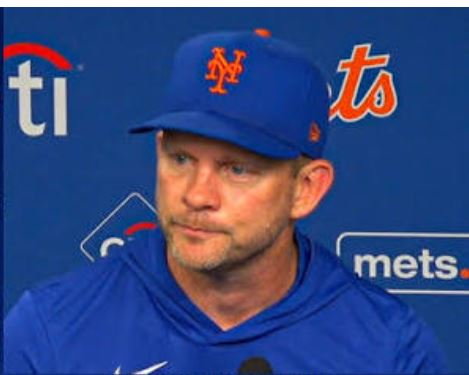
The New York Mets are getting closer to potentially having Devin Williams back on the mound, but the club is making it clear that there will be no rush to bring its high-profile reliever back before he is completely ready. Williams remains on the injured list with a right shoulder strain, and his recovery has reached an important stage after he recently resumed mound work.
Williams threw his first bullpen session since landing on the injured list on September 8, a significant step after being sidelined since August 10. The session gave the Mets another encouraging sign that the right-hander is progressing, but it does not yet mean that he is ready to return to game action. Williams continues to be evaluated as the Mets determine how his shoulder responds to each stage of his throwing program.
Mets Are Refusing to Rush Williams
The Mets originally placed Williams on the 15-day injured list after he experienced right shoulder discomfort that had been building during the season. Interim manager Andy Green indicated that Williams had been dealing with shoulder fatigue for a period of time, making the organization especially cautious about his rehabilitation.
That cautious approach has remained unchanged even though Williams has made progress. The reliever is optimistic that he can pitch again before the season ends, but the Mets want to see him complete the necessary throwing progression before putting him into a competitive game.
That distinction is important. A bullpen session is an encouraging checkpoint, but it is only one part of the process. Williams still needs to demonstrate that he can handle repeated throwing sessions, increase his workload and eventually face hitters without experiencing a setback. The Mets’ priority is making sure that his shoulder is capable of handling the intensity required of a major-league reliever.
Williams himself remains confident about returning this season. He has described his recovery as moving in the right direction, and the recent bullpen session represents the kind of progress the Mets wanted to see before considering the next phase of his rehabilitation.
Why Williams’ Return Matters So Much
The timing of Williams’ injury has been particularly significant because the Mets signed him to a three-year, $51 million contract during the offseason with the expectation that he would become one of the most important pieces of their bullpen.
His first season in New York, however, has been uneven. Before the injury, Williams had a 4.66 ERA across 42 appearances. Those numbers are not what the Mets expected when they invested heavily in him, but the organization still views his late-season availability as potentially important because of his experience and ability to dominate hitters when his best pitches are working.
Williams has established himself throughout his career as a reliever capable of pitching in the highest-leverage situations. His return would therefore give New York another experienced arm for the final weeks of the season, particularly if the Mets remain in meaningful games late in the year.
However, the Mets also have to consider the bigger picture. Bringing Williams back too quickly could create a much larger problem if his shoulder does not respond well. A setback in September could potentially affect not only the remainder of this season but also his preparation for 2027.
Kodai Senga Has Changed the Equation
One of the reasons the Mets can afford to be patient with Williams is the emergence of Kodai Senga as their temporary closer.
Senga was originally a starting pitcher, but he moved into the bullpen after Williams went on the injured list. Rather than simply filling the vacancy, Senga has performed extremely well in the role. Since moving into relief, he has posted a 2.03 ERA over 14 appearances and has recorded seven saves.
That development has taken some immediate pressure off the Mets’ bullpen.
Senga’s success means the Mets do not have to force Williams back simply because they need someone to handle the ninth inning. They can allow Williams to complete his rehabilitation properly while Senga continues to handle high-leverage opportunities.
At the same time, Senga’s emergence does not make Williams irrelevant. The Mets would ideally like to have both pitchers available, giving Green more flexibility in how he deploys his relievers. A healthy Williams could be used in the ninth inning, while Senga could potentially handle another high-leverage role, or the Mets could mix and match depending on matchups and workload.
The Bigger Concern Is What Happens Next
The Mets’ handling of Williams is also part of a broader effort to protect their pitching staff during a demanding final stretch.
The club has dealt with multiple pitching injuries this season, including long-term issues involving other relievers. Reed Garrett has been working his way back from elbow surgery and is not expected to return this season, while Tylor Megill is also out for the year following Tommy John surgery.
That makes Williams’ shoulder situation even more important. The Mets cannot afford another major pitching setback, particularly with the organization already evaluating several younger arms and attempting to determine which pieces can become part of the 2027 pitching staff.
Williams’ recovery therefore has implications beyond the current season. The Mets need to know whether the pitcher they committed $51 million to can return to being the dominant late-inning weapon they envisioned when they signed him.
Mets’ Late Surge Adds Another Layer
Williams’ potential return also comes at an interesting point in the Mets’ season.
New York has mounted a late surge after the trade deadline, going 19-12 through the first part of that stretch and playing at roughly a 99-win pace during that period. Young pitchers such as Nolan McLean, Zac Thornton and Christian Scott have also become increasingly important to the club’s future.
The Mets’ recent momentum has made every available veteran more valuable. Even though their playoff position remains difficult, the organization is competing rather than simply looking toward next season.
That makes a healthy Williams potentially significant. If the Mets remain in contention deep into September, an experienced late-inning reliever could provide an additional weapon for close games.
But if the Mets fall further out of contention, the club could become even more conservative with Williams. There would be little reason to expose him to unnecessary risk simply to get a handful of appearances in a season that has already become complicated.
What Comes Next for Williams
The next major checkpoints will likely involve Williams continuing to throw, increasing his workload and eventually facing hitters in a controlled setting. The Mets will want to see how his shoulder responds not just immediately after throwing but also over the following days.
If everything continues to progress normally, a return later in September remains possible. Williams has maintained that he wants to pitch again this season, and the Mets have not closed the door on that possibility.
Still, the organization is clearly prioritizing health over an aggressive timetable.
For Mets fans, the September return of Williams could become one of the more important bullpen developments to monitor. His recent bullpen session is an encouraging sign, but it is not the final hurdle. The real test will be whether his shoulder continues to respond as the intensity increases.
For now, the message from the Mets is straightforward: Williams is progressing, but he will return only when the club is convinced that he is ready.
That cautious approach could frustrate fans hoping to see the veteran closer back immediately, but it may ultimately be the smartest decision. With Senga currently handling the ninth inning effectively, New York has the luxury of allowing Williams to complete his recovery rather than gambling on a premature return.
The Mets still hope Williams can contribute before the season ends. But until he gets through the remaining stages of his rehabilitation without a setback, his return remains a possibility rather than a guarantee.
Leave a Reply