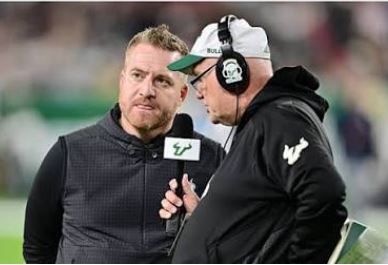
Auburn is entering the Alex Golesh era with a significant financial commitment behind its football program. According to a new report from The Athletic cited by 247Sports, Auburn’s estimated 2026 roster budget falls between $31 million and $35 million, placing the Tigers among the more heavily resourced programs in college football. The figure offers an important look at how aggressively Auburn has approached roster construction under Golesh, particularly in the era of revenue sharing, NIL agreements and the transfer portal.
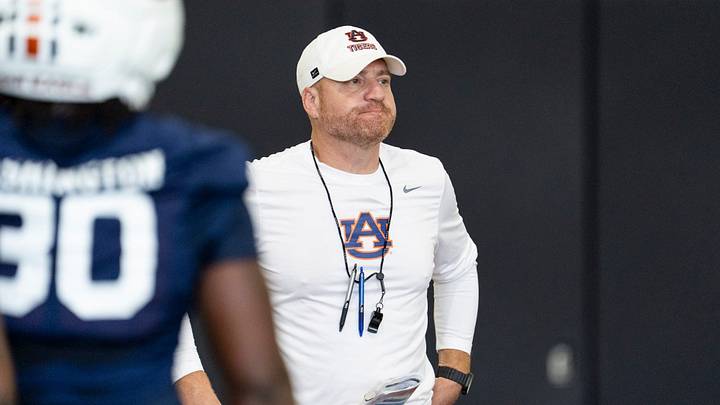
The number is especially notable because it aligns closely with earlier expectations surrounding Auburn’s willingness to invest in its roster. According to 247Sports, reporting dating back to December indicated that Auburn’s administration was prepared to provide Golesh with resources capable of supporting a roster approaching the $30 million range. The Athletic’s newer estimate suggests the program has gone beyond that original expectation, at least in terms of the estimated overall resources attached to the 2026 roster.
Auburn Sits Among College Football’s Expensive Rosters
The Athletic’s data places Auburn approximately between 17th and 20th nationally in estimated roster spending for 2026. That puts the Tigers in a financial group that includes programs such as Georgia, Nebraska, Oklahoma and Clemson, according to the report cited by 247Sports.
Auburn is also estimated to sit around ninth among SEC programs in roster spending. That distinction is important because the SEC has become one of the most financially aggressive conferences in college football. Eleven of the nation’s 20 most expensive rosters are estimated to come from the SEC, demonstrating just how much financial competition exists within Auburn’s conference.
The spending figure does not mean Auburn has written checks totaling exactly $31 million to its players. College football’s current compensation structure is considerably more complicated, and many individual agreements remain private. The Athletic’s numbers are estimates built from information gathered across the sport rather than a public accounting of every player’s compensation.
That distinction matters when interpreting the figure. It is best viewed as an estimate of the resources being committed to the roster rather than a precise payroll.
Golesh Arrived With an Aggressive Roster-Building Strategy
The spending revelation also provides additional context for the transition from Auburn’s previous coaching regime to Golesh. When Golesh was hired, there was already an expectation that Auburn would take an aggressive approach to NIL and roster investment.
247Sports reported that the program intended to push what it described as the roster “salary cap” through a combination of revenue-sharing resources and third-party NIL opportunities. The basic strategy is designed to maximize the amount of money Auburn can commit to players through different available channels.
One important component is the relationship between third-party NIL deals and the school’s overall roster resources. When a player receives an approved third-party NIL agreement, that money can reduce the amount of guaranteed compensation the school needs to provide directly through its revenue-sharing pool.
That creates additional flexibility.
Instead of viewing NIL and revenue sharing as completely separate concepts, Auburn’s approach attempts to use both mechanisms together. Outside sponsorships can help provide compensation to players while potentially allowing the program to preserve resources for other roster needs.
For a coaching staff trying to rebuild quickly, that flexibility can be especially valuable during transfer-portal periods, when numerous players can become available at the same time.
The Aflac Deal Also Became Part of the Strategy
One of the most interesting details involves Auburn’s decision to move its 2026 season opener against Baylor to Atlanta.
The game was tied to Auburn’s partnership with Aflac, and according to 247Sports, the arrangement generated approximately $6 million for the program through sponsored NIL opportunities. The report also states that Auburn was told a portion of that money would be available upfront after the agreement was signed.
That timing was significant because the money could be incorporated into Auburn’s roster resources when the transfer portal was open.
In practical terms, the arrangement gave Auburn another financial avenue to support its roster-building strategy. Rather than relying solely on traditional athletic-department resources, the program could use an outside partnership to expand the overall pool available for player compensation.
That helps explain why Auburn’s reported 2026 roster investment has reached the $31 million-to-$35 million range.
The Transfer Portal Has Changed the Equation
Auburn’s roster strategy also comes at a time when the transfer portal has dramatically altered how college football programs construct teams.
Instead of relying almost entirely on four-year recruiting classes and player development, programs can now reshape their rosters rapidly through transfers. That has made financial resources increasingly important because experienced players can become available and command significant compensation.
Auburn’s 2026 roster reflected that approach, with the Tigers bringing in a large group of transfers while Golesh reunited with several players familiar with his system from his previous coaching stops.
The financial commitment therefore isn’t simply about retaining existing players. It also gives Auburn the ability to pursue players who can immediately fill roster holes.
For Golesh, that is particularly relevant as he attempts to establish his system quickly. Building through the transfer portal can provide experience and positional depth while the coaching staff develops younger players.
Why the Number Matters for Auburn
The $31 million-to-$35 million estimate adds another layer to the expectations surrounding Auburn’s 2026 season.
Auburn is not operating with a small or mid-level roster budget. The reported figure places the Tigers in a financial tier populated by major Power Four programs, meaning the program has committed substantial resources to its roster during the opening season of the Golesh era.
That does not automatically translate into results on the field, however. Roster spending is only one component of building a successful football team. Coaching, player development, health, scheme fit, recruiting, depth and execution all remain critical factors.
The spending figures nevertheless demonstrate the level of institutional support behind Golesh’s attempt to reshape Auburn.
The Tigers have also had to operate in one of the most competitive conferences in college football. With 11 SEC programs reportedly appearing among the nation’s 20 most expensive rosters, Auburn faces opponents with substantial resources of their own.
That makes roster management particularly important. Auburn’s challenge is not simply spending money; it is making sure those resources are converted into a balanced roster capable of competing across a demanding SEC schedule.
Auburn Now Has to Show What the Investment Produces
The financial story comes at an important point in Auburn’s season. After Golesh’s arrival and a major roster overhaul, the Tigers are beginning the portion of their schedule that will provide a much clearer test of the new-look program.
According to 247Sports, Auburn was scheduled to face Florida at 6 p.m. CT on ESPN, marking its first SEC test of the season.
That matchup gives the spending report additional significance. Auburn has invested heavily in building its roster, but the ultimate evaluation will come through what happens on the field.
The reported $31 million-to-$35 million figure shows that Auburn’s administration has provided Golesh with substantial roster resources. The program’s aggressive use of NIL opportunities, revenue-sharing resources and outside partnerships has created a financial structure designed to compete in the modern college-football environment.
Now the focus shifts from the size of the investment to how the roster performs with those resources behind it.
For Auburn fans, the report provides a clearer picture of just how much has gone into the first roster of the Golesh era. The Tigers have made a major financial commitment, and the 2026 season will offer the first extended opportunity to see how that investment translates into football results.
Leave a Reply