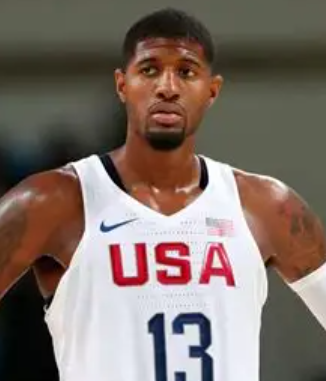
The stunning decision by the Boston Celtics to trade All-Star forward Jaylen Brown to the Philadelphia 76ers may have been one of the defining NBA moves of the offseason, but its significance could stretch far beyond basketball. While the trade was rooted in the NBA’s increasingly restrictive salary cap system, it also offers a glimpse into what Major League Baseball could look like if team owners eventually succeed in introducing a hard salary cap.
Brown, who helped deliver an NBA championship to Boston alongside Jayson Tatum, was moved despite remaining one of the league’s elite players. The deal sent Brown to Philadelphia in exchange for veteran star Paul George, two future first-round draft picks, and two second-round selections. On the surface, the transaction wasn’t about immediate financial relief, as both Brown and George are scheduled to earn roughly $57.7 million next season. However, Boston’s long-term calculations made the trade far more attractive.
Beginning in the 2027-28 campaign, Brown’s salary is set to climb beyond $61 million, while George holds a player option worth approximately $56.6 million. Assuming George exercises that option, Boston would already begin generating salary savings. More importantly, George’s contract expires shortly afterward, whereas Brown remains under an increasingly expensive long-term deal that would exceed $65 million annually. Those future financial obligations now become Philadelphia’s concern rather than Boston’s.
The transaction highlights how modern NBA roster construction is being shaped not only by player talent but also by strict financial regulations. The league’s collective bargaining agreement introduced multiple salary cap “aprons,” creating severe penalties for teams that significantly exceed spending limits. Rather than merely paying additional luxury taxes, franchises face restrictions on trades, limitations in signing free agents, reduced flexibility in roster management, and even consequences involving future draft picks.
Boston’s front office ultimately concluded that maintaining two superstars on massive long-term contracts would make sustained championship contention increasingly difficult. Brown signed a five-year, $304 million extension in 2023, while Tatum followed with a five-year, $314 million agreement the following year. Although both remain franchise-caliber players, their combined salaries threatened to consume such a significant portion of the payroll that building a competitive supporting cast would become far more challenging under the NBA’s financial rules.
Why Baseball Could Face the Same Reality
Although Major League Baseball currently operates without a hard salary cap, many owners have long advocated for one during collective bargaining negotiations. If such a system were ever adopted, baseball executives could soon find themselves making similarly painful decisions.
Unlike basketball, baseball has traditionally fostered stronger long-term relationships between players and their fan bases. The sport’s 162-game schedule, regional loyalty, spring training traditions, and generational family support have historically encouraged franchises to keep cornerstone players for much of their careers. Even after free agency dramatically increased player movement beginning in the 1970s, baseball has generally maintained greater roster continuity than many other professional sports.
A hard salary cap would fundamentally alter that dynamic.
Rather than simply competing with financial penalties through the existing luxury tax system, teams would likely be forced into constant roster reshuffling. Expensive veteran contracts would become financial obstacles instead of franchise cornerstones, and players approaching the final years of lucrative deals could suddenly become valuable trade assets regardless of their on-field performance.
For decades, the Major League Baseball Players Association has strongly opposed the implementation of a salary cap. Players recognize that such a system would likely reduce contract values while also increasing player movement throughout the league. Instead of spending entire careers with one organization, even superstar players could find themselves changing uniforms multiple times simply because teams need payroll flexibility.
The Philadelphia Phillies Offer a Realistic Example
The current Philadelphia Phillies provide an excellent case study for how dramatically roster-building strategies could change.
Philadelphia has committed substantial payroll to a veteran core in hopes of capturing another World Series championship. Under today’s financial structure, ownership has largely accepted those costs. Under a hard salary cap, however, many of those decisions might have been reconsidered.
Questions would inevitably emerge surrounding franchise icon Bryce Harper and whether allocating enormous long-term salary commitments to one player would still be practical. Likewise, the organization might evaluate whether shortstop Trea Turner could justify earning over $27 million annually while struggling defensively and inconsistently producing at the plate.
Other veterans would also come under scrutiny. Catcher J. T. Realmuto may not have received another multi-year contract. Arbitration decisions involving Alec Bohm and Bryson Stott would become significantly more complicated, with payroll flexibility potentially outweighing continuity.
Meanwhile, highly regarded prospects such as Aidan Miller and Aroon Escobar could receive earlier opportunities simply because younger, inexpensive talent becomes increasingly valuable in a salary-capped environment.
Even designated hitter Kyle Schwarber might have been considered too costly if the organization already carried multiple nine-figure contracts across its roster.
Front Offices Would Face Difficult Trade-Offs
Under a salary cap, baseball executives would constantly balance two competing priorities: assembling a roster capable of winning immediately while preserving enough financial flexibility to remain competitive in future seasons.
Those decisions would rarely be based solely on player ability. Instead, executives would weigh contract size, future payroll obligations, roster depth, prospect development timelines, and long-term competitive windows before deciding whether a beloved star remains affordable.
As a result, fan favorites could be traded not because their performance declined, but because the economics of roster construction demanded it. General managers would likely receive criticism from fans and local media despite simply operating within financial constraints imposed by league rules.
Smaller-Market Teams Could Benefit in Unexpected Ways
A hard salary cap would likely include a mandatory salary floor, requiring low-spending organizations to reach a minimum payroll threshold. That combination could reshape the trade market in surprising ways.
Teams attempting to reduce payroll could send expensive contracts to franchises needing additional salary simply to satisfy league requirements. Veterans carrying large deals—but still capable of contributing—could find themselves returning to former clubs or joining rebuilding organizations looking to meet payroll mandates.
Scenarios that currently seem unlikely could suddenly become realistic. Turner could eventually return to Washington. Giancarlo Stanton might find himself back with the Miami Marlins, while Trevor Story could potentially reunite with the Colorado Rockies if financial circumstances aligned.
A Possible Preview of Baseball’s Future
The Celtics’ willingness to move one of the NBA’s premier players illustrates how powerful financial regulations can become in shaping roster decisions. If Major League Baseball ever adopts a comparable salary cap system, front offices across the league may face similarly difficult choices, sacrificing beloved stars and long-term continuity in pursuit of financial flexibility and sustained competitiveness.
For baseball fans accustomed to watching franchise icons spend years representing one city, that could represent one of the most significant cultural shifts the sport has experienced in decades.
Leave a Reply