The Texas Rangers have reached a point where simply remaining competitive is no longer enough. For nearly three seasons, the club has hovered around the .500 mark, repeatedly showing enough promise to keep postseason hopes alive without doing enough to establish itself as a legitimate contender. Whether Texas manages to sneak into the playoffs this year or falls short again, the organization faces a much bigger question: How long can this cycle continue?
The Rangers remain alive in the American League playoff race despite a recent downturn. Texas has dropped five of its last seven games, including losses to two of the weakest teams in baseball. Yet the Rangers have repeatedly followed frustrating stretches with unexpected wins, producing the kind of inconsistent results that have defined their season.
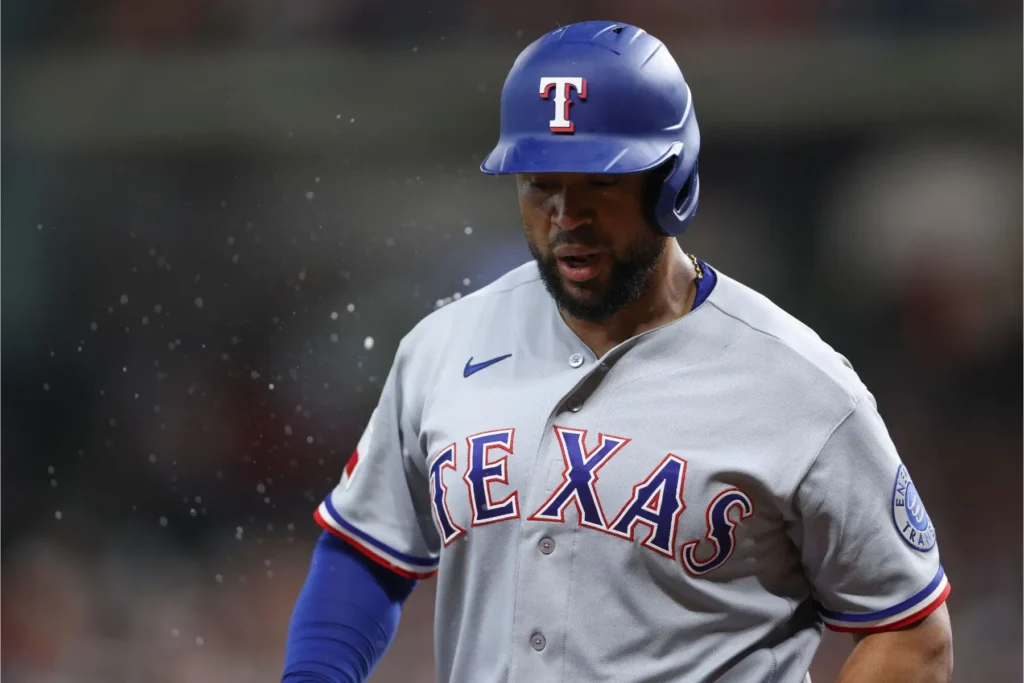
That inconsistency has become the identity of the 2026 Rangers. They can compete with respectable opponents but struggle against struggling clubs, creating a constant cycle of winning just enough to remain relevant before slipping back toward mediocrity.
A team built to survive, not dominate
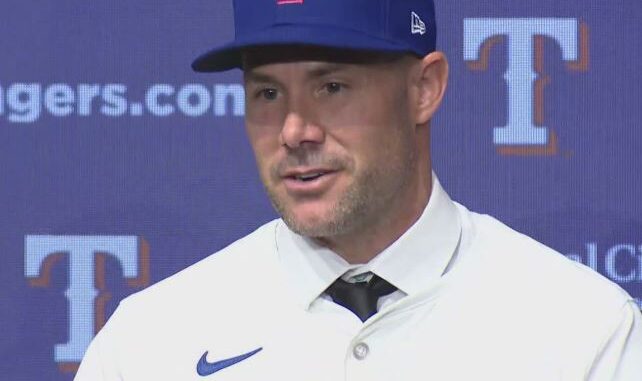
Manager Skip Schumaker deserves credit for keeping the Rangers competitive despite an imperfect roster. Texas entered the season without the kind of depth normally associated with a serious championship contender.
The lineup has significant holes, the bullpen has been assembled piece by piece, and the rotation combines aging veterans with younger pitchers who are still trying to establish themselves. Some players have exceeded expectations, while others have failed to provide the production the organization anticipated.
The result is a team capable of hanging around but rarely looking dominant.
Texas remains only a couple of games behind the top of the AL West and is also involved in the crowded wild-card race. The club’s negative run differential, however, illustrates the larger problem. A team can remain in contention because of a weak division and baseball’s expanded playoff format, but that does not necessarily mean it is constructed to make a deep postseason run.
The post-World Series decline
The biggest frustration for Rangers fans is how quickly the organization has moved from World Series champion to an ordinary club.
Texas won the World Series in 2023, producing one of the most memorable postseason runs in franchise history. Since then, however, the team has struggled to build on that championship.
The Rangers have gone 220-229 since their World Series triumph, an unmistakably mediocre stretch that has left the organization searching for answers.
The problem is not simply the win-loss record. It is the lack of a clear long-term plan.
The Rangers have attempted to compensate for limited spending by making aggressive trades, but those moves have often created new problems elsewhere. Prospects have been moved for immediate help, while the major-league roster has continued to age.
The organization now has relatively few young building blocks already established at the major-league level.
An aging roster creates another problem
Texas has one of the older rosters in baseball, with the average player around 30 years old. That creates an increasingly narrow window for the current group to succeed.
Veterans such as Jacob deGrom, Nathan Eovaldi and Corey Seager have helped keep the Rangers competitive, while Schumaker’s management has provided stability. But relying heavily on established veterans becomes increasingly risky when younger players are not developing quickly enough behind them.
Wyatt Langford remains one of the more important young pieces for the organization, while Jacob Latz has also provided value. Beyond those players, however, the Rangers’ major-league foundation looks less convincing.
The farm system has also been weakened by trades, leaving Texas with fewer internal solutions.
Sebastian Walcott offers hope but needs time
One of the organization’s biggest remaining prospects is Sebastian Walcott, whose talent gives the Rangers at least one potentially transformational young player.
However, Walcott’s development has been slowed by an elbow injury that required surgery. His eventual return could provide a major boost, but the Rangers cannot reasonably expect one prospect to solve all of the organization’s roster problems.
The club needs a broader pipeline of young talent capable of becoming everyday major leaguers and reliable starting pitchers.
The offense remains a major concern
Perhaps the most alarming trend is Texas’ offensive inconsistency.
The Rangers have struggled to hit at an acceptable level for several seasons, and the problem has not been solved through roster changes.
A championship-caliber club needs multiple reliable offensive threats throughout its lineup. Texas has had stretches of strong individual performances, but it has not consistently produced the type of deep lineup that characterized the 2023 championship team.
The catching position is another longstanding issue. Jonah Heim’s career-best season temporarily provided an answer, but the Rangers have otherwise failed to establish a long-term solution behind the plate.
Second base also remains an area where additional investment could help.
The pitching staff has similar questions
The Rangers’ rotation has been carried by veteran experience, but the organization has struggled to develop a young pitcher who looks like a long-term rotation cornerstone.
DeGrom and Eovaldi can still provide major contributions when healthy, but their ages and injury histories make it dangerous to build the future around them.
Texas needs younger starting pitchers to emerge, both to complement its veterans and eventually replace them.
The bullpen presents another recurring issue. The Rangers have cycled through numerous relief options, but relatively few have established themselves as dependable long-term pieces.
That lack of stability becomes particularly costly during a playoff chase, when every late-inning lead becomes critical.
Simply making the playoffs may not solve anything
There is still a path for Texas to reach the postseason.
Baseball’s expanded playoff structure gives teams more opportunities than in the past, and the Rangers remain close enough to the wild-card race that a late surge could put them into October.
But reaching the playoffs should not be mistaken for solving the organization’s problems.
The 2023 Rangers demonstrated how unpredictable postseason baseball can be, but that team had a dramatically different profile. Texas won 90 games, possessed one of baseball’s strongest offenses and had elite pitching at the top of the rotation.
The current Rangers do not appear to have the same foundation.
Ownership must decide whether to spend
The most obvious solution is also the one Texas has been reluctant to embrace: invest significantly in the roster again.
The Rangers have the financial resources to improve the team, particularly given their presence in one of the country’s largest media markets. The organization could target a long-term solution in the outfield, add production at second base, invest in catching and strengthen the rotation with dependable innings.
The club’s recent financial restraint, however, suggests that major spending may not be coming soon.
That would leave the front office attempting to solve the same problems through trades, internal development and short-term additions an approach that has produced only modest results.
A critical offseason awaits
Regardless of how the 2026 season ends, the Rangers cannot afford to simply run the same strategy back.
If they miss the playoffs, the need for change will be obvious. Even if they qualify, an early postseason exit should prompt difficult questions about whether the roster is actually capable of competing for another championship.
Texas needs to determine which veterans remain part of the long-term plan, which young players can become foundational pieces and where significant outside investment is necessary.
The organization also needs to rebuild its farm system and create a stronger pipeline of pitching and position-player talent.
The bigger issue
The Rangers are not a terrible baseball team. That is precisely what makes their current situation so frustrating.
They are competitive enough to keep fans watching but not strong enough to inspire genuine confidence. They win just enough to stay in the race, then lose games they should win and fall back toward .500.
That pattern has persisted for years.
For an organization that recently reached the summit of baseball, merely hanging around the postseason race should not be considered an acceptable long-term objective. The Rangers need to choose whether they want to rebuild, aggressively reload or commit the resources necessary to turn this current roster into a legitimate contender.
Until that decision is made, Texas risks remaining trapped in the same cycle: not bad enough to rebuild, not good enough to contend and constantly asking fans to believe that the next season will be different.
Leave a Reply