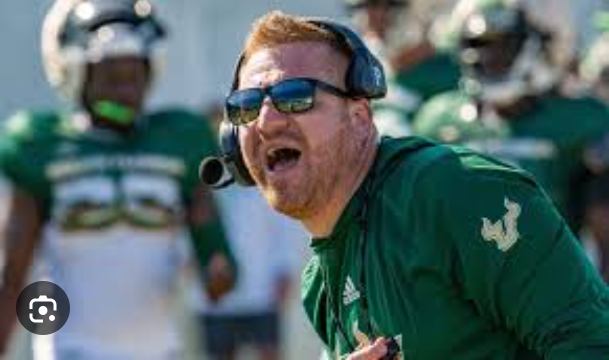
New Auburn Tigers football head coach Alex Golesh isn’t shying away from the program’s biggest challenge beating the Alabama Crimson Tide football but he’s also making it clear he’s not dwelling on the past.
A fresh start, not a losing streak
As Golesh prepares for his first season at Auburn, he addressed questions about the Tigers’ recent struggles in the Iron Bowl, pushing back on the narrative that his team is carrying a losing streak into 2026. His message was simple: this roster hasn’t played Alabama yet, so previous results don’t define them.
Rather than focusing on what Auburn hasn’t accomplished in recent years, Golesh is treating the rivalry as a clean slate. He emphasized that preparation for that late-season showdown will be deliberate and intense, calling it the most important rivalry in college football.
The weight of the Iron Bowl
Few games in college football carry as much emotion and pressure as the Iron Bowl. For Auburn fans, beating Alabama can define an entire season, regardless of record or postseason success. Golesh acknowledged that reality, noting that the matchup often matters more than bowl games in the eyes of the fan base.
Historically, Alabama has held the upper hand, winning 52 of 90 meetings. The gap widened significantly during the era of Nick Saban, when the Crimson Tide dominated the rivalry for over a decade.
Auburn’s recent struggles
The Tigers haven’t defeated Alabama since their dramatic 48–45 win in 2019. Since then, the Crimson Tide have maintained control of the series, and Auburn has managed just four wins in the last 18 matchups overall. Even more telling, the Tigers haven’t beaten Alabama in back-to-back seasons since 2007.
Those numbers highlight the scale of the challenge facing Golesh. Reversing that trend won’t just require talent it will demand a cultural shift within the program.
Golesh’s personal history vs Alabama
Golesh is also looking to change his own track record against Alabama. During his time leading South Florida Bulls football, he went 0–2 against the Crimson Tide in 2023 and 2024. However, he made it clear that those results have little bearing on his new role.
At Auburn, Golesh inherits a program with greater resources, stronger recruiting reach, and a roster more capable of competing at the highest level of the Southeastern Conference.
Building toward a turning point
Golesh’s comments suggest a mindset shift: instead of viewing Alabama as an insurmountable obstacle, he wants Auburn to approach the game with confidence and preparation. That starts with building a team identity throughout the season and peaking at the right time when Week 12 arrives.
If Auburn can close the gap, even in a single season, it would mark a significant step forward for the program. A win over Alabama wouldn’t just snap a streak it could redefine expectations under Golesh’s leadership.
The bigger picture
Ultimately, Golesh understands that success at Auburn will be judged heavily by performance in the Iron Bowl. While rebuilding a program takes time, rivalry games often accelerate perceptions.
By dismissing past failures and focusing on the present roster, Golesh is trying to reset the narrative. Whether that translates into results on the field remains to be seen but one thing is clear: the Iron Bowl will once again be the defining test of Auburn’s season.
Leave a Reply