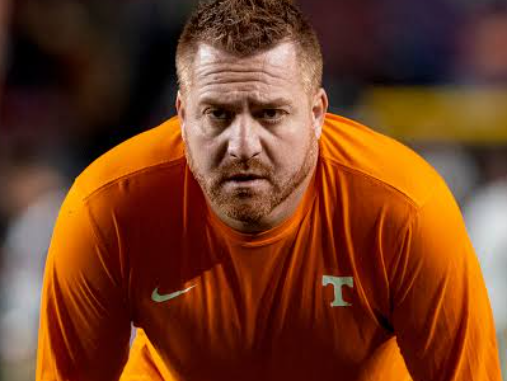
New Auburn head coach Alex Golesh has little to gain by responding to recent comments from his successor at the University of South Florida. While new USF head coach Brian Hartline suggested the Bulls failed to reach the level they should have under Golesh, engaging in a public back-and-forth would only distract from the much larger challenge awaiting Golesh in the SEC.
Hartline recently raised eyebrows when discussing the state of the USF program, saying there had been “some success” over the past few seasons but “nowhere near where it should be.” His remarks appeared to question the progress made during Golesh’s three-year tenure in Tampa, despite the significant turnaround the former Bulls coach engineered.
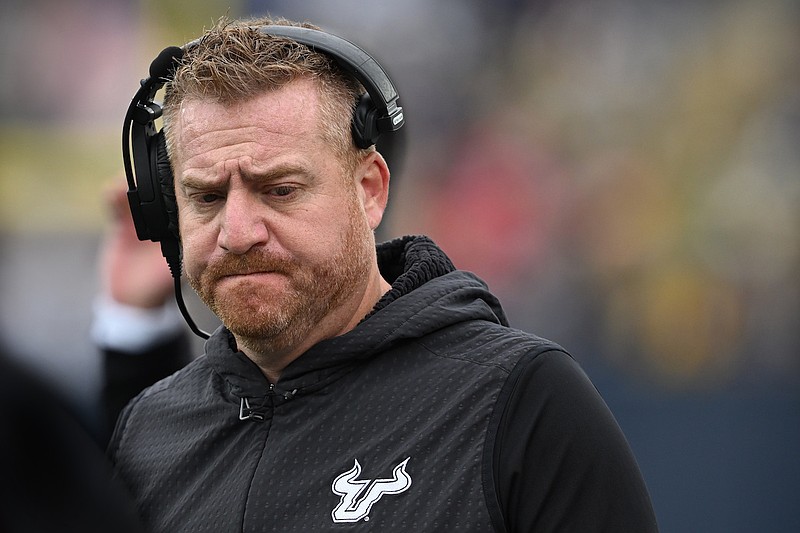
Some USF supporters may agree with Hartline’s assessment, especially after the Bulls’ disappointing 2025 campaign. Entering that season, many believed USF had the talent to compete for the American Athletic Conference championship and potentially earn a spot in the expanded College Football Playoff. Instead, the Bulls fell short of expectations while Tulane claimed the conference’s biggest prize.
Golesh’s departure for Auburn also left a sour taste among portions of the USF fan base. His reported interviews with both Auburn and Arkansas during the season fueled criticism that his attention had shifted away from the program during a pivotal stretch of the year.
However, Hartline’s comments overlook the difficult situation Golesh inherited when he arrived in Tampa.
Before Golesh took over, USF had managed just four wins across the previous three seasons and had become one of the nation’s struggling programs. His coaching staff revitalized the Bulls, restored competitiveness, and gave the program renewed optimism after years of disappointment. While the rebuild did not end with a conference championship or CFP appearance, it unquestionably moved the program in the right direction.
That said, Hartline has every reason to emphasize a new beginning.
As a first-year head coach, he must convince players, recruits, and fans that even greater success lies ahead. Downplaying the previous regime while promising higher standards is a common strategy for coaches looking to establish their own identity.
Hartline also brings a strong recruiting reputation after his successful tenure at Ohio State, where he helped develop some of college football’s top wide receivers. If he can recruit at a similar level in Tampa, USF could continue building on the foundation already in place.
For Golesh, though, those conversations should no longer matter.
His focus has shifted to one of college football’s biggest stages. Auburn presents far greater opportunities—and far greater pressure—than anything he left behind at USF.
Rather than worrying about criticism from his former program, Golesh must concentrate on competing in the SEC against powerhouse programs such as Alabama, Georgia, LSU, and the conference’s other perennial contenders. Auburn expects championships, not explanations about the past.
The Tigers also provide resources that were unavailable at USF. Auburn enjoys stronger recruiting reach throughout the Southeast, greater financial backing, and the institutional support necessary to compete for national championships. With influential boosters continuing to invest heavily in the football program, Golesh has an opportunity to elevate Auburn back among the nation’s elite.
At the same time, the landscape of the SEC is beginning to shift. Alabama is adjusting to life after the Nick Saban era, creating what many believe is an opening for Auburn to become a stronger force within the conference and reclaim prominence in the Iron Bowl rivalry.
If Golesh succeeds in leading Auburn back into College Football Playoff contention, his accomplishments in Alabama could ultimately overshadow everything he achieved at USF.
Attempting to defend his legacy in Tampa would likely prove pointless. Many Bulls fans have already formed their opinions about his departure, and changing those perceptions through public comments is unlikely.
Instead, Golesh’s energy is better spent building Auburn into a championship contender.
His greatest challenges now are not Brian Hartline’s remarks or lingering criticism from USF supporters—they are the elite programs standing between Auburn and a return to national relevance.
Leave a Reply