
The growing battle between LSU head coach Lane Kiffin and the Southeastern Conference has taken another dramatic turn, with Georgia Attorney General Chris Carr urging the league to consider some of its strongest possible punishments against LSU if the Tigers continue moving forward with former NFL players on their roster. Carr has encouraged SEC Commissioner Greg Sankey to use “all measures available,” including the possibility of suspending or removing LSU from the conference if the school refuses to comply with SEC rules.
The controversy centers on LSU’s decision to bring in former professional players Dae’Quan Wright and Zxavian Harris, both of whom previously played for Kiffin at Ole Miss before spending time in the NFL. Wright and Harris entered the professional ranks but were later released, creating a complicated eligibility situation as college football moves through a rapidly changing era of player rights and eligibility rules. Kiffin and LSU have argued for their opportunity to return to college football, while the SEC maintains that its longstanding “Professionalism Rules” prevent athletes who have entered professional football from returning to conference competition.
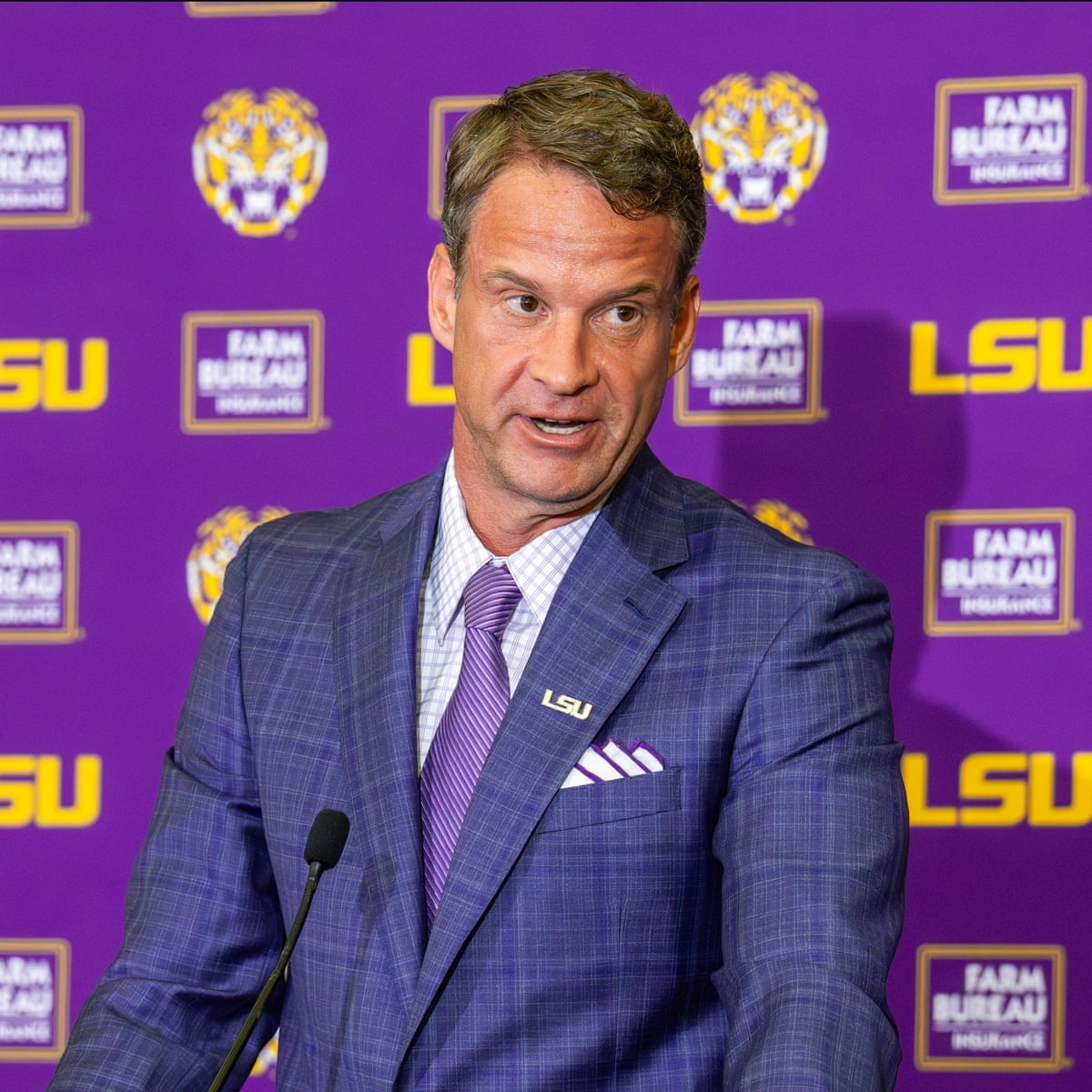
The SEC has now taken the dispute to federal court, filing a lawsuit against LSU, Kiffin and other university officials in Alabama. The conference argues that LSU’s actions undermine conference governance and its ability to establish consistent standards among its member schools. The SEC is seeking legal protection against LSU’s attempt to use the former NFL players, turning what began as an eligibility disagreement into a much broader fight over who ultimately controls the rules of college football.
Kiffin, meanwhile, has remained at the center of the controversy as LSU prepares for a highly anticipated season opener against Clemson. Rather than backing away from the situation, LSU has continued fighting for the players’ eligibility. That stance has placed the Tigers directly against the conference office at a time when SEC leadership is attempting to maintain uniform rules across one of the most powerful conferences in college athletics.
The legal situation became even more complicated Thursday when a Louisiana judge issued a preliminary injunction that cleared the way for Wright and Harris to join LSU’s roster. The ruling prevents immediate punitive action against the players and gives LSU a significant short-term victory. The SEC, however, has made clear that it strongly disagrees with the decision and intends to continue defending its authority and eligibility standards.
The SEC had already taken steps to strengthen its position before the latest ruling. According to reports, conference members voted 15-0 on a rule empowering the commissioner to punish schools that add former professional athletes to their rosters. Potential consequences include financial penalties and even suspension, placing LSU in an increasingly precarious position if it continues with its current approach.
That is where Georgia’s involvement becomes especially significant. Carr’s call for the SEC to consider suspension or even removal of LSU represents a major escalation because expulsion from the conference would be an extraordinary consequence for one of the SEC’s most prominent football programs. The pressure also illustrates how seriously some conference stakeholders view LSU’s challenge to the league’s authority.
Does This Affect Auburn?
For Auburn, the immediate impact is limited because the Tigers are not directly involved in the LSU eligibility dispute. However, the outcome could have much wider consequences for every SEC program.
If LSU successfully establishes that former professional players can return to college football despite conference rules, other SEC schools could eventually have the same opportunity. That could dramatically change roster construction, recruiting strategies and the value of professional experience in college football. Programs could potentially target players who have already spent time in the NFL, creating another competitive avenue in an already aggressive transfer and NIL environment.
On the other hand, if the SEC successfully enforces its rules, Auburn and the conference’s other members would receive a clear signal that conference regulations remain enforceable even as college-athlete eligibility continues to evolve.
The situation also raises concerns about competitive balance. SEC schools operate under the same conference framework, meaning one program’s ability to exploit an eligibility opening could force other schools to respond simply to remain competitive. Auburn would therefore have to monitor the case closely even if it never becomes directly involved.
The dispute is particularly important because Auburn is competing in an SEC landscape that has already become more complicated following major changes to the conference schedule, roster rules, NIL opportunities and player movement. Any precedent established by LSU’s legal fight could influence how Auburn and other programs build their teams in future seasons.
For now, LSU appears determined to fight the SEC while Kiffin attempts to maximize every possible advantage for his new program. The Louisiana court ruling gives the Tigers temporary momentum, but the SEC’s federal lawsuit means the larger battle is far from over.
The situation could ultimately become bigger than two former NFL players. At stake is the SEC’s authority to establish and enforce its own rules, the ability of schools to challenge conference regulations through the courts, and the future definition of eligibility in an era when the traditional boundaries between college and professional football are becoming increasingly blurred.
For Auburn, the safest approach may be to watch closely. Whatever happens between LSU, Kiffin and the SEC could establish a precedent that affects every program in the conference including the Tigers on the Plains.
Leave a Reply