Kansas State football could be one of the biggest beneficiaries of the NCAA’s proposed age-based eligibility model, particularly at the wide receiver position, where several key players are now in line to receive additional years of eligibility.

The new system, which would grant athletes up to five seasons of competition if they enroll in college by age 19, is designed to simplify eligibility regulations while reducing the need for redshirts and special waivers. While the model still faces legal and administrative hurdles, many around college athletics believe some version of it could become the standard moving forward.
For the Wildcats, the impact is already becoming clear.
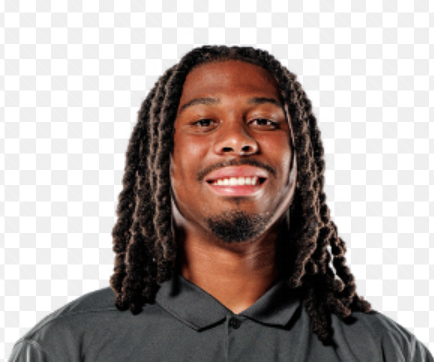
Among the biggest winners are wide receivers Josh Manning, Jaron Tibbs, and Adonis Moise, all of whom would gain an extra season of eligibility under the proposed framework. The development significantly strengthens Kansas State’s long-term outlook at one of its most important offensive positions.
Manning, a highly regarded transfer and former four-star recruit, was already viewed as one of the Wildcats’ most valuable portal additions. His additional year could provide Kansas State with another season of proven production and experience, making his arrival in Manhattan even more impactful than originally expected.
Tibbs also stands to benefit substantially. After using his redshirt season early in his college career at Purdue, the talented receiver would now regain valuable eligibility. The former basketball standout emerged as a dependable contributor last season and could have additional time to continue developing into a key offensive weapon.
Meanwhile, Moise receives perhaps the most intriguing boost. The young receiver appeared in multiple games as a freshman and saw limited action, circumstances that would have traditionally cost him a year of eligibility. Under the age-based model, however, that season could effectively be restored, giving him more time to grow within the program.
The changes could have significant implications for Kansas State’s future offensive plans. If the roster remains intact, the Wildcats could potentially enter both the 2026 and 2027 seasons with quarterback Avery Johnson surrounded by an experienced and battle-tested receiving corps led by Manning and Tibbs.
Veteran talent is increasingly valuable in modern college football, and Kansas State could find itself in a favorable position by retaining proven contributors longer than initially anticipated. The added experience would provide stability for the offense while giving younger receivers additional time to develop behind established playmakers.
Of course, the benefits come with new roster-management challenges. Coaching staffs across the country will need to adjust recruiting strategies, scholarship allocations, and depth-chart planning as eligibility timelines shift. Players previously expected to graduate or move on may now remain in the program longer, creating both opportunities and difficult personnel decisions.
Still, most programs would gladly accept the challenge of having too much experienced talent. For Kansas State, the potential return of multiple productive receivers for an extra season represents a valuable advantage as the Wildcats look to remain competitive in the evolving landscape of college football.
If the age-based eligibility model ultimately becomes permanent, few position groups at Kansas State may gain more from the change than the Wildcats’ wide receivers, who suddenly appear positioned to provide both immediate production and long-term stability for years to come.
Leave a Reply