
What would actually define a successful debut season for Collin Klein at Kansas State Wildcats isn’t just about nostalgia or expectations it’s about whether he can immediately translate familiarity with the program into results on the field.
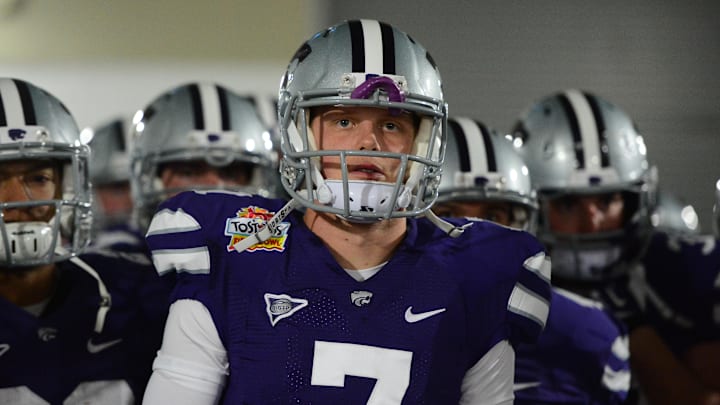
Klein arrives in Manhattan with a deep connection to Kansas State, having once been the program’s defining quarterback during a memorable 2012 campaign that pushed the Wildcats into Big 12 contention and a Fiesta Bowl appearance. Now, after rising through the coaching ranks and stepping into the head coaching role following the retirement of Chris Klieman, he faces a very different challenge: proving he can lead the program, not just contribute to it.
The standard for Year 1 success is clear and unforgiving. At a minimum, Kansas State must be more than just competitive; it has to win consistently. In a Big 12 landscape where parity is common but expectations remain high, simply hovering around .500 or losing winnable games would fall short. Klein’s team must avoid early non-conference slip-ups, establish rhythm quickly, and convert tight matchups into decisive wins once league play begins. The margin between a good season and a disappointing one will likely come down to execution in those close, late-game moments.
Beyond wins and losses, another major benchmark is roster stability in the evolving era of college football. Success is no longer measured only by development over time, but also by retention in the transfer portal era. Keeping key contributors particularly at quarterback becomes essential for sustaining momentum. A player like Avery Johnson represents more than just production; he symbolizes continuity and a foundation for future success. If Kansas State can hold onto core offensive pieces while supplementing through smart portal additions, Klein’s first year would set the program up with long-term balance and identity.
And then there is the rivalry factor the simplest but most emotionally weighted expectation: beat Kansas. The Wildcats have dominated the Sunflower Showdown for over a decade, and extending that streak is non-negotiable in the eyes of many supporters. With added tension from roster movement between the programs and increasing competitiveness in the rivalry, a loss would carry outsized weight regardless of the broader season outcome.
In the end, Klein’s first year will be judged on three things: winning at a consistent level, holding the roster together in a volatile era, and protecting dominance in rivalry games. If those boxes are checked, Year 1 won’t just be considered successful it will mark the beginning of something sustainable.
Leave a Reply