
The Philadelphia Phillies may have taken another important step toward securing their postseason position with a 3-0 victory over the New York Mets, but the shutout win also highlighted an issue the club will need to address before October: the offense has not looked nearly as dangerous in September as it did during the previous month.
Philadelphia entered September with one of baseball’s most productive offenses after an explosive August. The Phillies scored 147 runs in August, the third-highest total in MLB during the month, trailing only the Boston Red Sox and Chicago Cubs. Since the calendar turned to September, however, the production has dropped sharply. Through the first 15 games of the month, Philadelphia had scored only 60 runs, placing it among the lowest-scoring teams in the majors during that stretch.
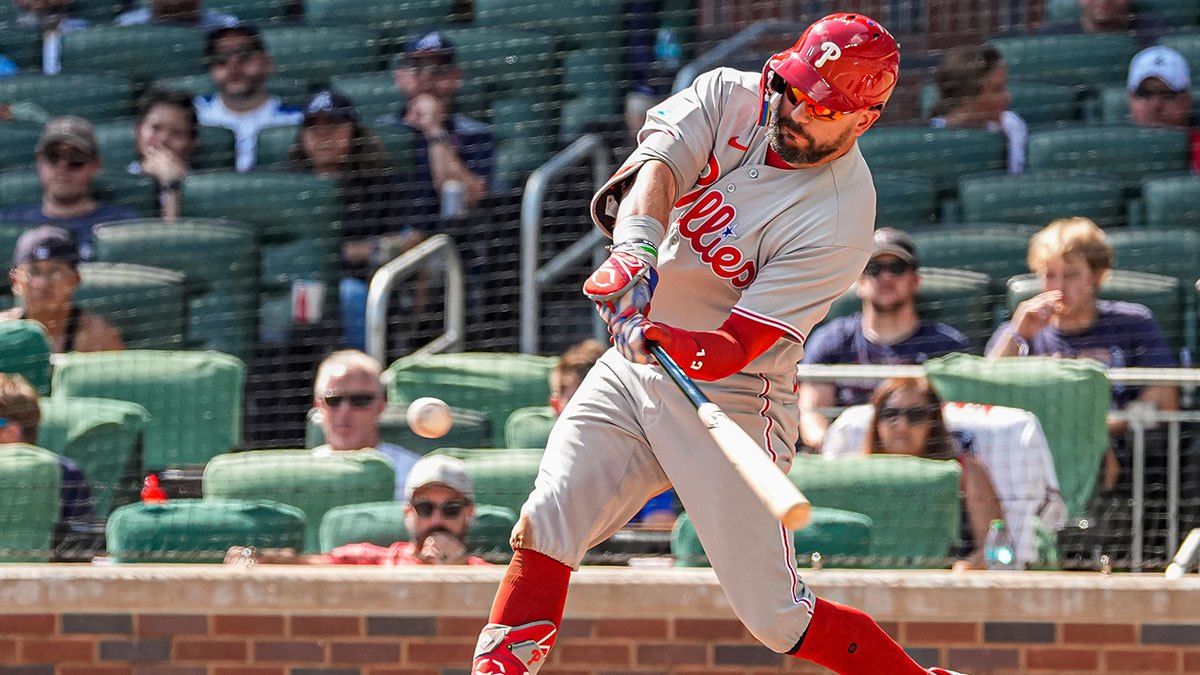
That decline has naturally created some concern with the postseason approaching. The Phillies have established themselves as a legitimate contender throughout the season, but offensive consistency becomes even more important once playoff baseball begins. A lineup that can score in bunches one week and struggle to string together quality at-bats the next could face a difficult challenge against postseason pitching.
Still, Philadelphia has managed to keep winning enough games to avoid turning its September offensive slump into a larger problem. The Phillies entered the Mets matchup with a 7-8 record in September, a stretch that falls short of the standard they set earlier in the season but has not caused their postseason position to collapse. With only nine regular-season games remaining, the club still possessed a five-game cushion over the National League Wild Card cutoff.
For veteran slugger Kyle Schwarber, the solution does not involve abandoning the identity that helped make Philadelphia’s offense so productive earlier in the year. Instead, he believes the Phillies need to return to the fundamentals that have consistently defined their lineup: grinding through at-bats, getting runners on base, moving the lineup forward and trusting the hitter behind them.
Schwarber’s message is particularly significant because the Phillies do not lack established offensive talent. The lineup features multiple experienced hitters capable of changing a game with one swing, but September has produced more inconsistent stretches than Philadelphia would prefer. Rather than pressing for immediate results, Schwarber believes the group needs to remain committed to the approach that has already produced success.
“We know there’s gonna be ebbs and flows of the year and we’re down to crunch time,” Schwarber explained, emphasizing the importance of concentrating on the areas where the team has historically been strongest. His philosophy centers on staying disciplined, continuing to compete through difficult at-bats and allowing each hitter to contribute rather than expecting one player to carry the offense.
Phillies Need More Than Home Runs to Get Rolling Again
Philadelphia’s offensive identity has often been associated with power, but Schwarber’s comments point toward a broader formula. The Phillies need their hitters to “pass the baton”—a phrase that reflects the importance of creating sustained innings instead of relying exclusively on home runs or individual performances.
That approach could become especially valuable during the postseason, when opposing teams typically have deeper pitching staffs and fewer opportunities are given away. Stringing together walks, singles, productive outs and timely extra-base hits can force pitchers into uncomfortable situations and create opportunities for the middle of the order.
Schwarber himself went hitless against the Mets on Thursday, although he did reach base with a walk. Even without a major offensive contribution from one of their biggest power threats, Philadelphia managed to secure a 3-0 victory, demonstrating that the pitching staff can keep the club competitive when the bats are quiet.
That balance could become increasingly important over the final days of the regular season. The Phillies do not necessarily need to return to their August scoring pace immediately, but they need to rediscover the rhythm and consistency that made their lineup so difficult to navigate earlier in the year.
The timing is crucial. With October approaching, every remaining regular-season game provides Philadelphia with another opportunity to sharpen its approach. The club has already built a postseason cushion, meaning the final games can also serve as preparation for the higher-pressure environment that awaits.
The challenge for manager Don Mattingly and his coaching staff will be finding ways to keep the lineup productive without overreacting to short-term slumps. Philadelphia has enough established offensive talent that a prolonged September downturn does not necessarily define what the team will look like in October.
October Could Offer a Fresh Start
There is also reason for the Phillies to believe their September numbers will not necessarily carry into the postseason. Baseball offenses naturally experience stretches of hot and cold production, and Philadelphia’s August explosion demonstrated just how quickly the lineup can catch fire when multiple hitters are producing simultaneously.
The key will be getting enough players contributing at the same time.
If Schwarber, Bryce Harper and the rest of Philadelphia’s offensive core can regain their timing while the supporting hitters consistently reach base, the lineup could once again become one of the team’s biggest strengths. The Phillies do not need every hitter to produce at an elite level every night; they need enough of them to keep innings alive and create pressure throughout the lineup.
Schwarber’s emphasis on trusting the hitter behind you is particularly relevant to that goal. When hitters stop trying to do everything themselves and instead focus on extending innings, the pressure moves from one individual to the entire opposing pitching staff.
That is the identity Philadelphia will want to carry into October.
The Phillies have already shown they can win games when their offense is not operating at full capacity. Their 3-0 victory over New York was another example. But the margin for error becomes smaller in the postseason, and Philadelphia will eventually need its bats to provide more consistent support.
For now, Schwarber’s message is simple: stay the course, trust the lineup and return to the approach that made the Phillies so dangerous in August.
The September numbers may not look ideal, but the Phillies still have time to correct the trend. With only nine games remaining before the postseason, the objective is not to panic over every cold stretch. It is to rebuild offensive rhythm, restore confidence throughout the lineup and enter October playing the brand of baseball that Philadelphia believes it is capable of producing.
If the Phillies can once again string together quality at-bats, move runners, pass the baton and capitalize when opportunities arise, their September struggles could ultimately become a temporary chapter rather than the defining story of their season.
Leave a Reply