
The Philadelphia Phillies have transformed their season at precisely the moment when the National League East race is becoming most interesting. After spending much of the year struggling to find consistency, Philadelphia has suddenly developed a recognizable identity built around disciplined at-bats, dependable starting pitching, improved defense and contributions throughout the roster. That turnaround has placed the Phillies firmly back in the division conversation and created legitimate pressure on the Atlanta Braves heading into the final weeks of the regular season.
Philadelphia’s resurgence has been particularly striking because the team appeared to be drifting away from contention earlier in the season. The Phillies fell into a 9-19 hole, but instead of allowing the season to unravel, they gradually closed the gap through an extended stretch of quality baseball. Their remarkable 21-7 record in August became the clearest evidence that something had changed, turning what once looked like a lost division chase into a realistic September opportunity.
A New Offensive Identity
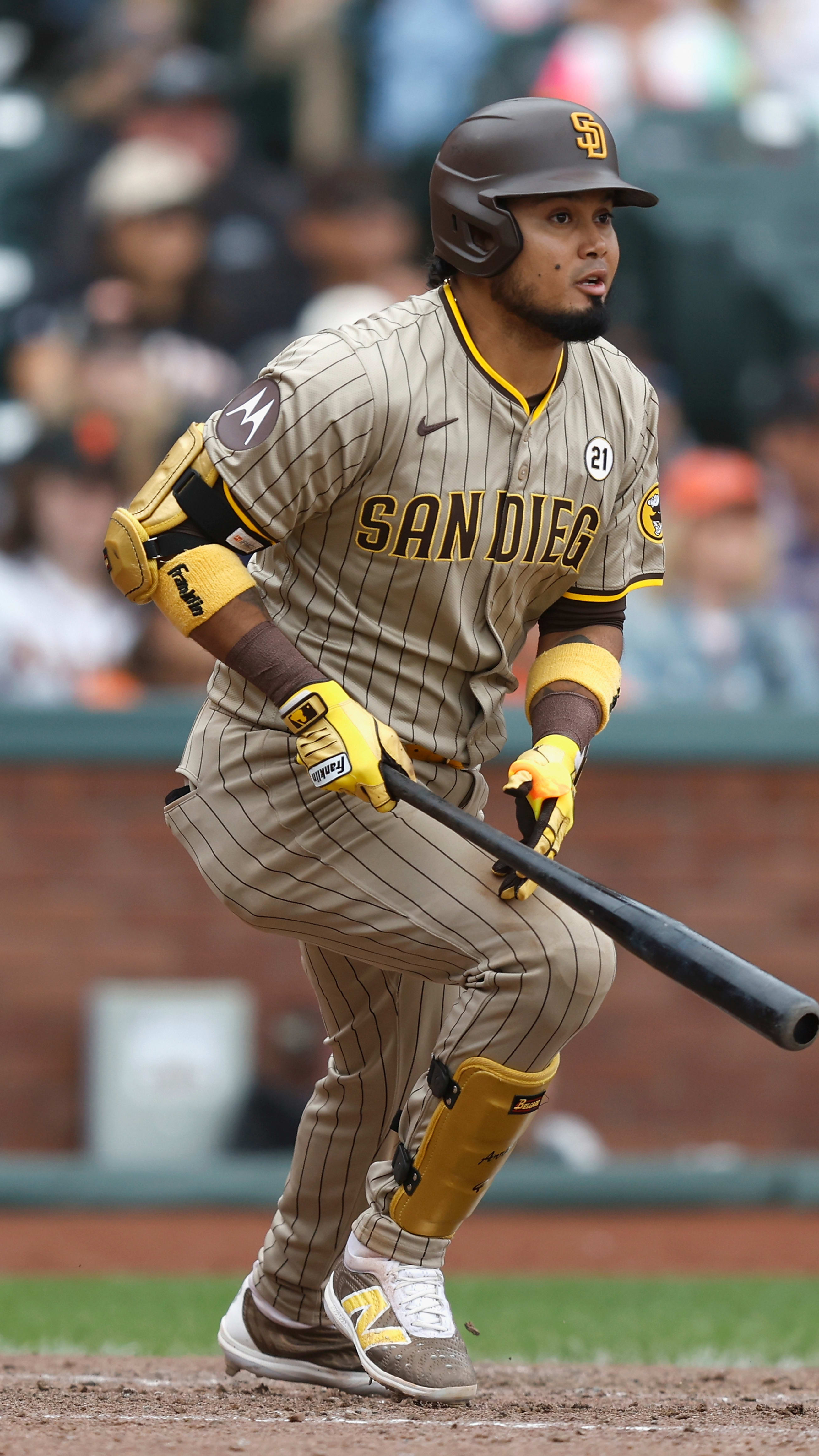
One of the biggest differences has been Philadelphia’s approach at the plate. The Phillies have become more patient, worked deeper into counts and generated more opportunities for their biggest hitters. That change has coincided with the arrival of Luis Arraez, whose contact-oriented style has helped alter the rhythm of the lineup.
During August, Philadelphia posted a .763 OPS, which ranked third in MLB, while its .353 on-base percentage led the majors. Those numbers illustrate why the Phillies have become much more difficult to contain. Instead of depending exclusively on home runs or individual stars to carry the offense, they have increasingly created rallies by putting runners on base and forcing opposing pitchers to work.
The improvement has also allowed players such as Bryson Stott and Alec Bohm to become increasingly important pieces of the lineup. Bohm, in particular, has delivered several timely performances during the turnaround, including his dramatic walk-off triple against St. Louis during Philadelphia’s winning streak. The team’s ability to receive meaningful contributions beyond Bryce Harper and Kyle Schwarber has made the offense considerably more balanced.
The Rotation Is Giving Philadelphia a Chance Every Night
Philadelphia’s transformation isn’t limited to the offense. The starting rotation has quietly become one of the team’s biggest strengths.
The emergence of Andrew Painter has been especially significant. After struggling to establish himself earlier in the season, the former top prospect has become a legitimate weapon in the rotation. Painter recently delivered seven shutout innings against Arizona, allowing only two hits while striking out six, even though the Phillies ultimately lost 1-0.
His development has changed the outlook for the back end of Philadelphia’s rotation. Earlier in the season, starts from the fifth spot often represented uncertainty. Now, Painter gives the Phillies another pitcher capable of controlling a game deep into the afternoon or evening.
That depth becomes even more important alongside Zack Wheeler, Cristopher Sánchez, Jesús Luzardo and Aaron Nola. When that group is healthy and performing, Philadelphia has a pitching staff capable of keeping the club competitive against elite opponents. During the recent Arizona series, Phillies starters combined to allow only two earned runs across 18⅔ innings.
Braves Still Lead, but the Margin Is No Longer Comfortable
Atlanta remains in control of the NL East, but the Braves no longer appear to have the same level of security they enjoyed earlier in the season. The Phillies have repeatedly chipped away at the deficit while Atlanta has experienced stretches of inconsistent play.
At two different points, the Braves held a nine-game advantage over Philadelphia, but that cushion gradually disappeared as the Phillies heated up. Atlanta’s offensive production has also lagged behind Philadelphia’s. During August, the Braves posted a .698 OPS, ranking 19th in MLB, while their .301 on-base percentage ranked 26th.
The difference is particularly notable because the clubs’ starting pitching was remarkably similar during that period. Atlanta’s starters posted a 2.97 ERA compared with Philadelphia’s 2.99, meaning the separation largely came from what the teams were doing offensively and how consistently they were executing.
That is why the Phillies’ recent surge feels more significant than an ordinary hot streak. They aren’t simply winning because one or two players are carrying them. Their approach has become more repeatable.
The Braves Are Beginning to Show Vulnerabilities
Atlanta’s situation is complicated by injuries and uneven performances from several players who were expected to be major contributors. The Braves have leaned heavily on veteran ace Chris Sale, who has been one of the team’s most important pitchers, but the Phillies’ resurgence raises the question of whether Atlanta can continue relying on a small number of stars to maintain its advantage.
Philadelphia, by contrast, has received contributions across its roster. That depth has helped the Phillies survive stretches when individual players weren’t producing at their normal levels.
The result is a fascinating reversal of expectations. The Braves looked like the clear division favorite for much of the season, while the Phillies appeared destined to fight simply for a Wild Card position. Now, Philadelphia has created genuine uncertainty at the top of the NL East.
September Will Decide Whether the Comeback Is Real
The Phillies’ recent success doesn’t guarantee that they will overtake Atlanta. The Braves still have the advantage, and there are only a limited number of games remaining. But Philadelphia has given itself a chance to make the division race uncomfortable.
The upcoming head-to-head matchup between the two clubs carries enormous significance. Philadelphia entered its September series against Atlanta just four games behind the Braves, with the Phillies returning home confident after their dramatic August turnaround. The opener featured another major pitching challenge, with Atlanta sending Chris Sale against Sánchez.
For Philadelphia, the objective is no longer simply to qualify for October. The team now believes it can compete for the division title.
That confidence matters. The Phillies have gone from trying to survive a disappointing season to playing with the expectation that they can beat strong opponents in multiple ways. They can win with starting pitching, manufacture runs, rally late and receive contributions from unexpected players.
Even their recent 1-0 loss to Arizona offered evidence of that improved foundation. Painter dominated for seven innings, and the pitching staff gave Philadelphia every opportunity to win. The offense simply couldn’t provide the necessary run.
The NL East Could Be Heading Toward a Dramatic Finish
The Phillies’ greatest advantage may ultimately be that they finally understand what kind of team they need to be. Their August run established a blueprint: get quality starts, control the strike zone, create traffic on the bases, play reliable defense and trust the depth of the roster.
That is a much more sustainable formula than depending on individual heroics every night.
The Braves remain the team to catch, but Philadelphia has made the race significantly more competitive than it appeared only weeks ago. If the Phillies continue playing at anything close to their August level while Atlanta struggles to find offensive consistency, the division could become one of baseball’s biggest September storylines.
Philadelphia has already erased much of the gap that once seemed impossible to overcome. Now the Phillies have an identity, confidence and a legitimate opportunity to challenge Atlanta. If that consistency continues, the NL East race could be turned completely upside down before the postseason begins.
Leave a Reply