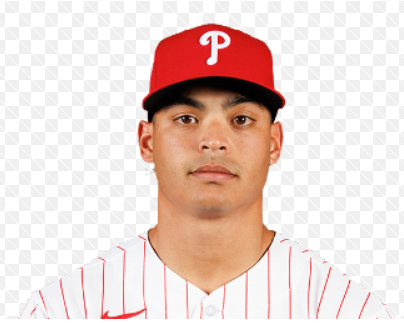
The Philadelphia Phillies came away from their matchup with the Atlanta Braves with an important victory, but one of the biggest talking points afterward centered on starting pitcher Jesús Luzardo and the decision to keep him on the mound for the ninth inning.
Phillies interim manager Rob Thomson addressed the decision after the game, offering an honest explanation for why Luzardo was allowed to return to the mound rather than turning the game over to the bullpen.
Luzardo Gets the Ball for the Ninth
Luzardo had already put together a strong outing before returning to the mound for the ninth inning. With Philadelphia in position to finish the game, the Phillies elected to let their starter continue rather than immediately turning to a reliever.
The decision attracted attention because Luzardo had already thrown a significant number of pitches, making the choice to send him back out for the final inning something that naturally raised questions.
Thomson’s explanation reflected the trust the Phillies have in Luzardo and the circumstances of the game. Rather than treating the decision as a routine move, the manager acknowledged that there was a calculation involved in allowing the left-hander to continue.
According to the report, Thomson essentially indicated that he believed Luzardo still had enough left to complete the job.
Why the Decision Was Significant
The Phillies are in the middle of a demanding stretch of the season, and managing the workload of their starting pitchers has become increasingly important.
Luzardo has been an important part of Philadelphia’s rotation, and his ability to work deep into games can provide a major advantage. When a starter is pitching effectively, managers are often faced with a difficult choice: remove the pitcher while he is still performing well and rely on the bullpen, or allow him to continue and potentially finish the game himself.
Against Atlanta, Thomson chose the latter option.
The decision also demonstrated the confidence the Phillies have in Luzardo. Allowing a starter to return for the ninth inning is a significant vote of confidence, particularly when the manager has a fully rested bullpen available.
Thomson’s Honest Assessment
Following the game, Thomson did not try to disguise the reasoning behind his decision.
The manager acknowledged the obvious consideration: Luzardo had already done plenty of work and there was a legitimate question about whether he should be asked to pitch another inning.
Ultimately, however, the Phillies believed the situation justified allowing him to continue.
The manager’s comments highlighted a balance that Philadelphia has had to maintain throughout the season—protecting its pitchers while also giving its best arms the opportunity to determine games.
For Luzardo, the opportunity represented another chance to demonstrate that he can be trusted in high-leverage situations.
Luzardo’s Importance to Philadelphia
The decision is particularly meaningful because Luzardo is more than simply another member of the Phillies’ rotation.
Philadelphia acquired him with the expectation that he could become an important piece of its pitching staff, particularly in games where the team needs a starter capable of working deep into the contest.
His ability to limit opposing hitters and remain efficient with his pitches can dramatically change how a game is managed.
When a starter can reach the late innings, the manager does not have to expose multiple relievers or use the bullpen earlier than planned. That becomes increasingly valuable as the regular season moves toward its conclusion and every game carries greater importance.
A Trust-Building Moment
From Luzardo’s perspective, being given the ninth inning also represents a sign of confidence from the coaching staff.
Managers do not routinely allow starting pitchers to finish games unless they believe the pitcher is capable of handling the situation.
Thomson’s decision therefore carries significance beyond one game. It indicates that the Phillies continue to view Luzardo as someone who can be trusted when the stakes are high.
For a pitcher, that type of confidence can be just as important as the statistics on the scoreboard.
The Risk Behind the Decision
Of course, allowing a starter to remain in the game late always carries some risk.
Pitch counts increase, velocity can decline, and hitters who have already faced a pitcher multiple times can become increasingly familiar with his arsenal.
That is why the decision generated discussion after the Braves game.
Had Luzardo struggled in the ninth inning, the choice would almost certainly have received much more scrutiny. Instead, the Phillies were able to point to the outcome as evidence that Thomson’s decision had worked.
The situation nevertheless illustrates the difficult decisions managers face during the latter stages of the season.
What It Means Going Forward
The larger significance of the incident is Luzardo’s place in Philadelphia’s plans.
The Phillies will need dependable starting pitching as they continue navigating the remainder of the season and prepare for the postseason. A healthy and effective Luzardo gives the club another weapon capable of pitching deep into games and reducing pressure on the bullpen.
Thomson’s willingness to give him the ninth inning against Atlanta suggests the Phillies have considerable confidence in his ability to handle important situations.
It also shows how much trust can develop between a pitcher and manager during a long season.
For Philadelphia, the ideal outcome is simple: Luzardo continues pitching effectively, the rotation remains healthy, and the bullpen is preserved whenever a starter can safely carry the game deep.
The Bigger Picture for the Phillies
The decision against Atlanta was about more than one inning.
It was another example of the Phillies weighing immediate results against the long-term demands of a baseball season. Every additional inning from a starting pitcher can save bullpen arms, but every extra pitch also has to be considered in terms of workload and health.
Thomson ultimately decided that Luzardo had earned the opportunity to finish what he started.
That decision—and the manager’s candid explanation afterward—provides another indication of the confidence Philadelphia has in its left-hander.
As the Phillies continue their push through the season, Luzardo’s performance will remain an important storyline. If he can consistently give Philadelphia length, command and quality innings, he could become one of the team’s most valuable pitching assets when the biggest games arrive.
For now, the Braves game offered a clear message: the Phillies trust Jesús Luzardo enough to give him the ball when the game is on the line, and Rob Thomson was willing to stand behind that decision.
Leave a Reply