
The New York Mets may have pulled off one of the savviest moves of the trade season by dealing pitcher David Peterson to the Chicago Cubs well before the MLB trade deadline. While the trade looked favorable for New York the moment it was completed, Peterson’s first two starts with Chicago have only strengthened the belief that the Mets made the right call.
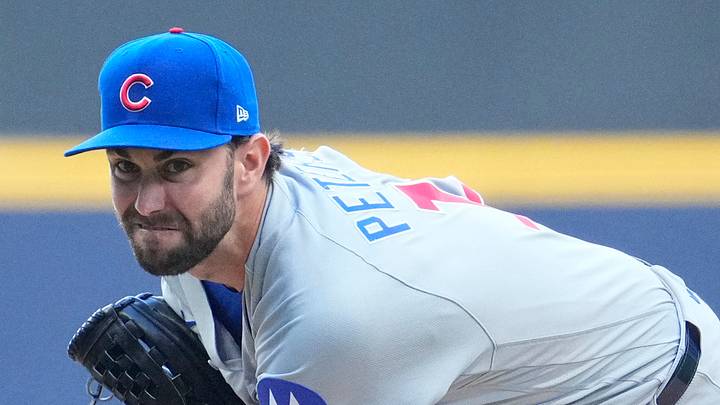
Peterson made a respectable first impression in a Cubs uniform, allowing two earned runs over 5.2 innings in his debut. However, his second outing was a completely different story. The left-hander struggled badly, surrendering 10 earned runs in just 3.2 innings, raising immediate concerns about whether he can provide the stability Chicago hoped for in its rotation.
In exchange for Peterson, the Mets acquired promising corner infield prospect Cole Mathis. Although injuries have slowed Mathis’ development, he remains an intriguing power hitter with long-term upside. Considering Peterson’s inconsistent performances and uncertain future in New York, the Mets deserve plenty of credit for turning him into a prospect who could eventually contribute at the major league level.
Still, the Cubs also deserve recognition for acting aggressively before the trade deadline rather than waiting until the market became more competitive. By making the move early, Chicago gave itself additional flexibility and avoided feeling locked into Peterson if things fail to improve.
Because the trade occurred well ahead of the deadline, the Cubs still have several options if Peterson continues to struggle. With just over $8 million on his salary this season and less than half remaining to be paid, his contract remains movable enough that Chicago could potentially trade him again before the deadline if another team believes it can unlock his potential.
Such a scenario would not be unprecedented. Players have been traded multiple times during the same season before, including left-hander Jaime Garcia, who was dealt from the Atlanta Braves to the Minnesota Twins in 2017 before being traded again just days later to the New York Yankees after making only one start for Minnesota.
If Peterson’s struggles continue, Chicago could also consider designating him for assignment, allowing another club to claim him off waivers or sign him after a release.
However, it is far too early to draw definitive conclusions based on only two starts. Peterson has spent most of his major league career showing flashes of quality pitching mixed with extended periods of inconsistency. Rather than settling somewhere in the middle, his performances often swing dramatically between excellent and ineffective for long stretches.
That inconsistency is exactly why the Mets decided to move on.
The Cubs’ biggest mistake would be repeating the same pattern New York experienced for years continuing to rely on Peterson despite inconsistent results. While he can provide valuable innings when pitching well, he should not be viewed as the long-term solution for a rotation dealing with injuries.
Instead, Peterson is best suited as a temporary depth option rather than the centerpiece of Chicago’s pitching plans. If the Cubs treat him as a short-term fix while continuing to search for more reliable starting pitching, the trade could still prove worthwhile.
For the Mets, meanwhile, the early return already looks encouraging. They converted an inconsistent starter into a promising young prospect and opened the door for future roster flexibility, making the move appear increasingly like a smart piece of business as the trade deadline approaches.
Leave a Reply